Even though Mount Kilimanjaro is often considered the most accessible of the “Seven Summits”—the highest peaks on each continent—the climb should not be underestimated.
Preparing your gear is a critical step toward a successful ascent. While countless packing lists are available online, many fail to explain the reasoning behind specific recommendations, leaving climbers unsure of what is truly essential.
To address this, we have created a comprehensive packing guide. This guide is designed to be a useful reference for first-time climbers, but even experienced mountaineers may find some of our insights valuable. For additional details on climbing Kilimanjaro, you can refer to our other resources.
In this guide, most items are considered mandatory for safety and comfort. We have labeled a few items as “optional” if they are primarily intended to enhance your experience rather than being strictly necessary.
Essential Tips for the Kilimanjaro Climb
When packing for your Kilimanjaro expedition, it’s crucial to make smart choices about your clothing and equipment. Here are some key packing tips to help you prepare effectively:
Gear Rental is an Excellent Option in Tanzania
For those who prefer to travel light or are climbing for the first time, renting gear is a convenient and cost-effective solution. You don’t have to worry about bringing bulky equipment with you to Tanzania.
Renting from a reliable outfitter can be far more affordable than purchasing brand-new, high-quality gear that you might only use once. We provide a wide selection of top-tier brands like The North Face, Marmot, and Red Fox directly from our own store. Our equipment is meticulously maintained and regularly updated, ensuring everything you rent is in excellent, clean condition for your climb.
Quality Over Price
When it comes to purchasing your climbing equipment, your safety and comfort are the top priorities. While it’s not necessary to buy the most expensive branded items, you should never settle for the cheapest gear. Low-quality equipment can fail when you need it most, and on a mountain like Kilimanjaro, this could be dangerous. Fortunately, the market offers many high-quality, durable alternatives at affordable prices.
Bags & Backpacks for hiking
For a successful Kilimanjaro expedition, you’ll need two main types of bags: a daypack that you carry yourself and a larger duffel bag that is carried by a porter.
The Daypack
Your daypack is your personal bag for daily essentials. This is where you’ll keep items you need constant access to, such as sunglasses, sunscreen, a rain poncho, a flashlight, snacks, and a water bottle. It’s also the best place to store valuable items like your camera and smartphone.
When choosing a daypack, prioritize one that is lightweight and fits your body comfortably. It’s highly recommended to test it on a shorter hike beforehand to ensure it’s suitable for the long days on the mountain.

Here are some key features to look for in a quality daypack:
• Integrated Rain Cover: A built-in rain cover is crucial to protect your gear from sudden downpours.
• External Pockets: Side pockets are excellent for storing items you need to grab quickly, like a water bottle or trekking poles.
• Hip Belt: A padded hip belt helps distribute the weight from your shoulders to your hips, significantly reducing strain and making the pack feel lighter.
• Hydration Compatibility: For convenience, look for a pack that is compatible with a hydration bladder.
While many great brands exist, companies like Black Diamond are known for producing high-quality daypacks that meet these expedition needs.
The Duffel Bag: For the Porters
Your duffel bag will be carried by a porter and is a vital part of your gear. It’s important to choose a bag that is both practical for you and comfortable for the porter. Since porters often carry these bags on their heads, a soft, flexible bag is highly recommended. Over the course of the expedition, a porter may carry your bag for a total of 40-60 km, with longer routes like the Northern Circuit increasing that distance.
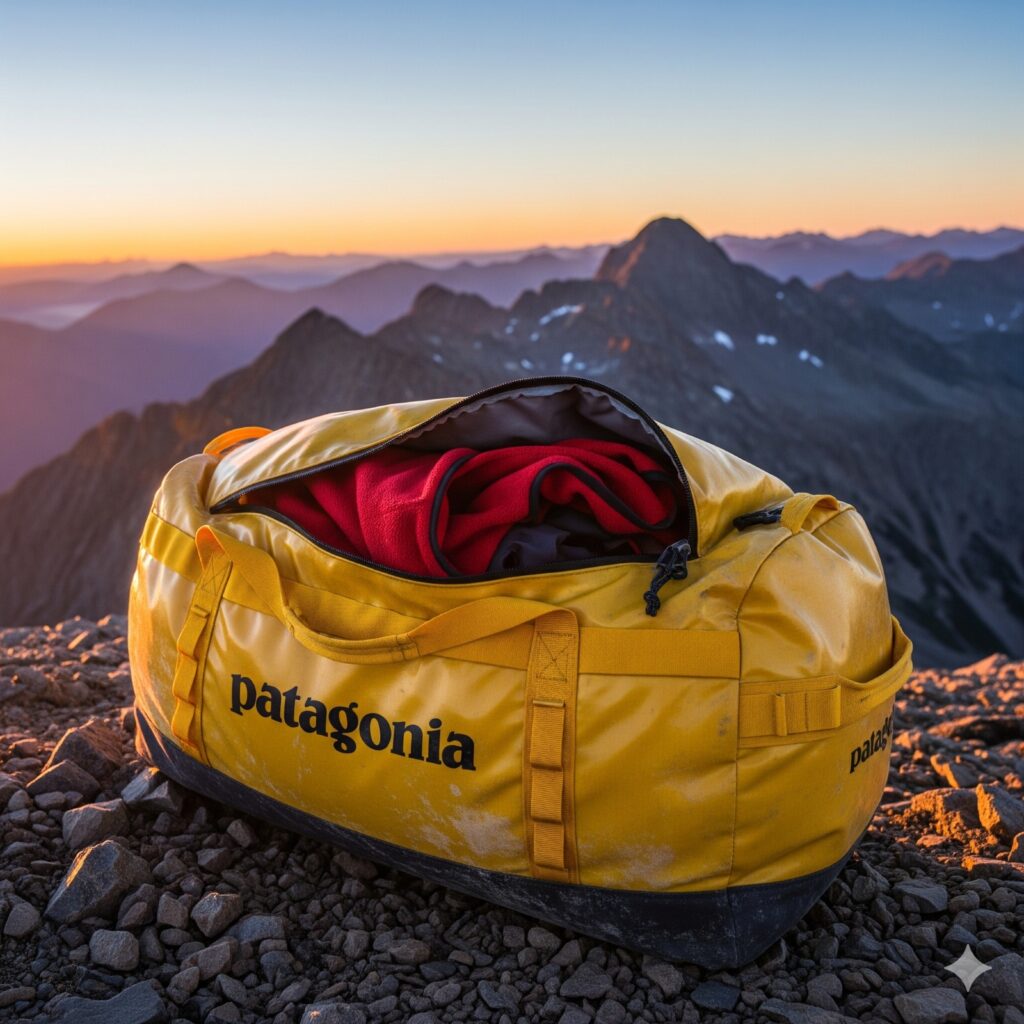
Here are the key considerations for your duffel bag:
• Weight Limit: Your fully packed duffel bag must not exceed 15 kg (approximately 33 lbs) to comply with Kilimanjaro National Park regulations.
• Capacity: Choose a bag with a capacity of 90-120 liters. This size is necessary to fit all of your required gear.
• Waterproof Material: The bag should be made from a durable, waterproof material to protect your belongings from rain and moisture.
For an extra layer of protection, we strongly recommend packing your gear inside several large, separate dry bags before placing them in the duffel. This method ensures that even in heavy rain—where water might seep through the duffel’s zippers—your clothes and equipment will remain completely dry.
To ensure your gear stays dry on the mountain, we strongly recommend packing your duffel bag with several large dry bags. This provides an essential layer of extra protection against heavy rains, guaranteeing all your belongings remain safe and dry throughout the trek.
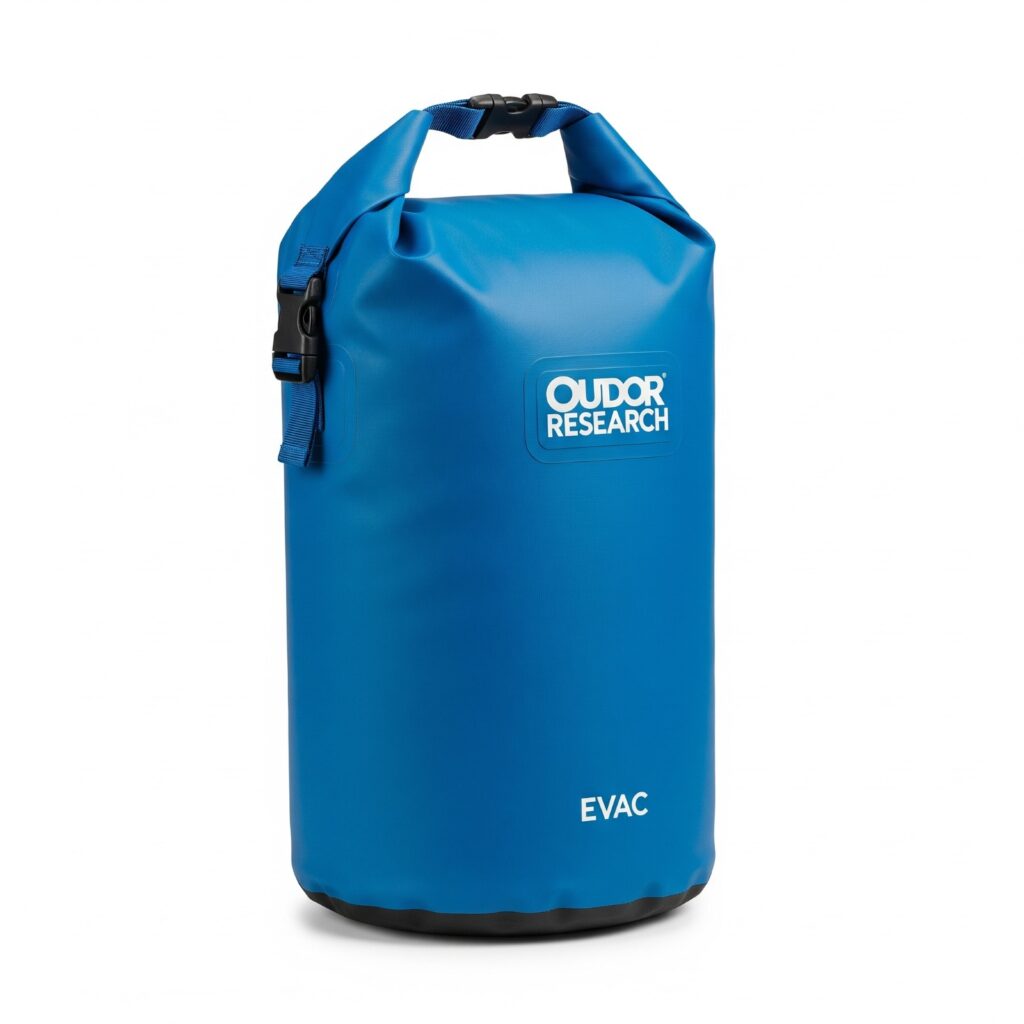
Dry Bag (Optional but Recommended)
A dry bag is your best defense against wet weather on the mountain. We highly advise using one to protect your gear. It’s crucial for keeping your sleeping bag and clothing dry, which is essential for both your comfort and safety. Be sure to select a bag that is spacious enough to hold all your main belongings.
Water Bottle (Flask)
A reliable water bottle is an absolute necessity. Unlike some hydration bladders, a quality bottle is less likely to freeze overnight. You must drink at least 3-4 liters of water each day, making your water bottle one of your most important pieces of gear. We recommend bringing one or two one-liter bottles.
Additionally, carrying a thermos for hot tea or coffee is a great idea. While your guides will often have a thermos for the group, having your own provides an extra supply of warm liquid, which is always beneficial for energy and comfort at high altitudes.

Apart from having a water flask, it is also recommended to have a thermos for hot tea/coffee. Though the guides normally carry one thermos each for the hikers to have a hot drink on the way, taking your own means extra supply, which will be never superfluous on Kilimanjaro. More tea or coffee means more energy, which you will surely need.
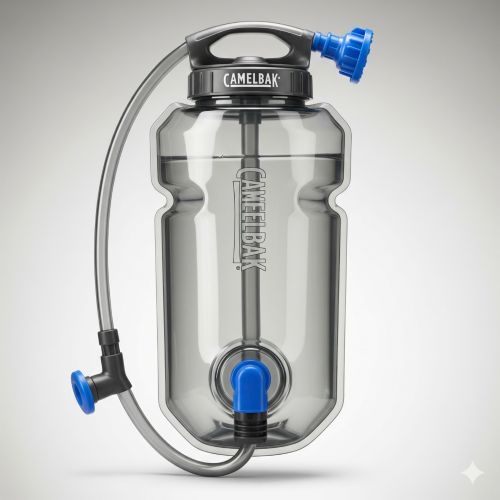
Hydration Bladder (Optional but Recommended)
A hydration bladder, often called a “camel bag,” can make staying hydrated on the move much more convenient. If your daypack is compatible with one, it can be a great addition to your kit. However, you must choose a high-quality model and ensure the tube is insulated to prevent the water from freezing, especially on the summit night. High-quality bladders typically cost upwards of $30, but it’s a worthwhile investment. A 1.5 or 2-liter capacity is perfect for the climb.
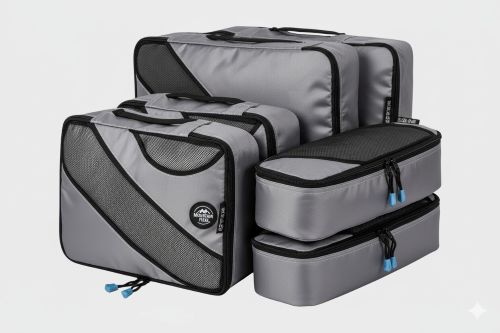
Travel Bag Organizers (Optional but Recommended)
Travel organizers are a simple but effective way to keep your duffel bag tidy and accessible. They help you sort your gear, making it easy to find what you need without rummaging through the entire bag. They are also excellent for separating clean clothes from dirty or damp ones.
Dressing for Kilimanjaro's Diverse Climates
A key aspect of a successful climb is being prepared for the mountain’s rapidly changing weather conditions. As you ascend Kilimanjaro, you will pass through four distinct climate zones, each with its own unique characteristics:
• Rainforest: At the lower altitudes, the weather is typically hot and humid.
• Moorland: As you climb higher, the landscape becomes more open and windy.
• Alpine Desert: This zone is arid and experiences extreme temperature shifts, with warm days and freezing nights.
• Arctic Desert: At the summit, you will face frigid, windy conditions with snow and ice.
Because of this dramatic variation, you must be properly equipped to handle everything from tropical heat to arctic cold, including the sharp temperature drops that occur after sunset.
Essential Footwear for Kilimanjaro
Your choice of footwear is one of the most critical decisions you’ll make for this trip. The wrong boots can lead to blisters, pain, and even injury, which can seriously affect your ability to complete the climb. For this expedition, you’ll need quality hiking boots and trekking socks, and you may also want to consider bringing a pair of sneakers.
Hiking Boots
Selecting the right hiking boots is paramount. There are many options on the market, and sometimes it’s hard to find the right one.
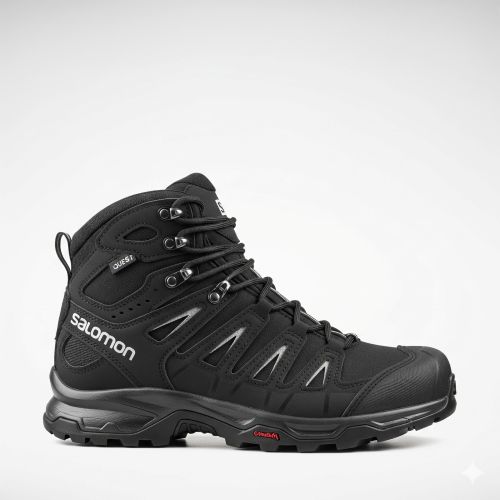
While the market offers countless options, an ideal boot for Kilimanjaro should meet these key criteria:
• Ankle Support: Choose a sturdy model that provides strong ankle support to help prevent injuries on uneven terrain.
• Medium Weight: Avoid overly heavy boots, as they will tire your feet and legs more quickly. Look for a balance between durability and comfort.
• Waterproofing: Your boots must be waterproof to keep your feet dry, especially in the higher-altitude snow and rain. High-quality trekking socks can provide an extra layer of protection.
• Laces and Hooks: Boots with speed hooks for the laces can offer a more secure and comfortable fit.
The “Break-In” Period: It is absolutely essential to break in your boots before the expedition begins. Do not bring brand-new boots on your trip. You should wear them for at least 5-6 days, including a couple of long hikes, to soften the material and allow them to mold to your feet. This prevents blisters and discomfort on the mountain.
We recommend trusted brands like La Sportiva, Zamberlan, The North Face, Asolo, Salomon, and Scarpa. If you don’t own a pair, renting boots from our shop is a great, affordable alternative. For a fee of $45, you can get a high-quality pair without the high cost of buying new boots, which can range from $220-$600.
Sneakers (Optional)
A pair of trekking sneakers can be a welcome addition to your gear. They can be used on the less challenging, lower-altitude sections of the climb. More importantly, after a long day of hiking, changing into sneakers at the camp gives your feet a much-needed rest. They are perfect for walking around the campsite between your tent and the dining tent. Brands like Zamberlan, La Sportiva, The North Face, and Scarpa all offer excellent trekking shoes.

Trekking socks
Never pack cotton socks, as they trap moisture and lead to blisters. Instead, opt for woolen socks, which are excellent at wicking away sweat and keeping your feet dry. Brands like Bridgedale are a great choice.

Thermal socks (Optional)
Highly recommended, especially for the colder summit ascent. Look for socks made from wool or synthetic materials with flat seams to prevent irritation.

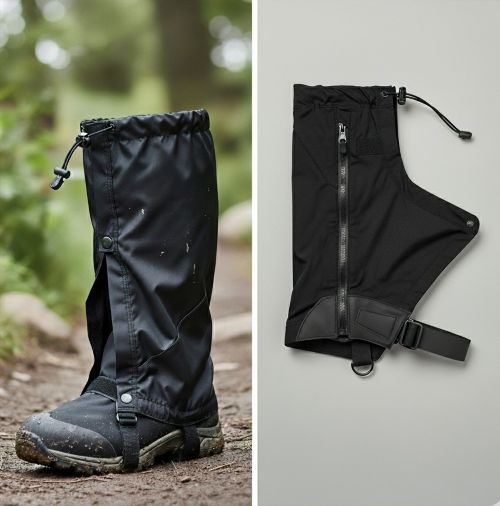
Gaiters (Optional but Recommended)
While not strictly required, gaiters are incredibly useful. They prevent mud, snow, and small rocks from getting into your boots, which is especially beneficial during the rainy season. Gaiters also protect your more expensive trekking pants from damage and keep them clean, making your gear more pleasant to wear throughout the trip.
Trousers and Pants
You’ll need a few different types of trousers to handle the varied conditions you’ll encounter on Kilimanjaro:
Hardshell Rain Pants
Waterproof hardshell pants are a critical item, particularly during the rainy season. Worn over your trekking pants, they provide a powerful barrier against wind and rain, which will significantly improve your comfort and overall experience on the mountain.

Warm Trousers or Ski Pants
Warm, insulated trousers or ski pants are essential for the final ascent to the summit, where temperatures are at their coldest. These pants should be Water-resistant, to protect you from snow and moisture. Insulated, lined with fleece or another warm material to retain heat. Windproof, covered with a good hard-shell outer layer to block strong winds.
These trousers should keep you comfortable in temperatures below -15°C (5°F). You’ll also appreciate having them for extra warmth during cold nights at the higher-altitude camps.

Trekking pants
Good-quality trekking pants are a staple for your climb. Even if you prefer to hike in shorts, you’ll need at least one pair for the higher altitudes and for the chilly evenings at camp. Look for pants that are durable and comfortable for long days on the trail.

Hiking underwear and shirts
Proper base layers are crucial for managing moisture and staying comfortable during your climb.
Underwear
You should plan to pack 5-6 pairs of regular underwear for the trip. Additionally, a key component of your gear is thermal underwear (also known as a base layer). We recommend bringing 2-3 sets: one for your regular trekking days, and a separate, warmer set specifically for the cold summit night. Sleeping in a clean, dry set of thermal underwear can also greatly improve your comfort at night.
For your daily trekking, a lighter, synthetic fabric that wicks moisture and dries quickly is ideal. For the summit, a base layer with warmer, more natural components like wool is recommended for superior insulation. Any reputable brand of thermal underwear will be suitable.
Shirts
For shirts, you’ll need a combination of short and long sleeves. We suggest packing 3-4 short-sleeved shirts and 2 long-sleeved ones. It is critical to avoid cotton, as it retains moisture and will make you feel cold and damp. Instead, choose light, breathable fabrics that wick sweat away from your skin. Excellent options include blends of polyester, spandex, or nylon.
Jackets
You will need to pack three types of jackets to handle the different conditions on Kilimanjaro:
The Hardshell Rain Jacket
A hardshell rain jacket, featuring a waterproof and breathable membrane like Gore-Tex, is a non-negotiable item for your climb. You’ll likely need it from the very first day, so it should always be easily accessible in your backpack.
This jacket serves as your primary defense against wind and light rain, which are common at lower altitudes. It forms the final, outermost part of your layering system, worn over your thermal base layer and a fleece jacket. This combination gives you the flexibility to adapt to Kilimanjaro’s rapidly changing weather, keeping you dry and comfortable

Fleece Jacket: Your Essential Mid-Layer
A fleece jacket is a crucial item you’ll use throughout your climb, both as a standalone piece and as an insulating layer over your trekking shirt. They are particularly useful for staying warm at night in the camps.
For this purpose, we highly recommend a Polartec-200 fabric due to its excellent insulation properties. Look for hooded fleece jackets from reputable brands like The North Face, Red Fox, Mountain Hardwear, and Patagonia, as the hood provides extra warmth and comfort. We suggest bringing two or three of these to have options.

Warm / Insulated Jacket
An insulated jacket is a mandatory piece of gear, essential for staying warm in the cold evenings at higher camps and, most importantly, for the final ascent to the summit. It should be comfortable enough to wear in temperatures as low as -15°C (5°F) without being too bulky.
A hooded design is strongly recommended to protect your head and neck from the cold.
Additionally, consider the jacket’s ability to handle moisture. While it’s not a substitute for a dedicated rain jacket, an insulated jacket with a water-resistant outer shell will offer valuable protection against light rain or snow. For heavier precipitation, you will need to layer a waterproof rain jacket over it.
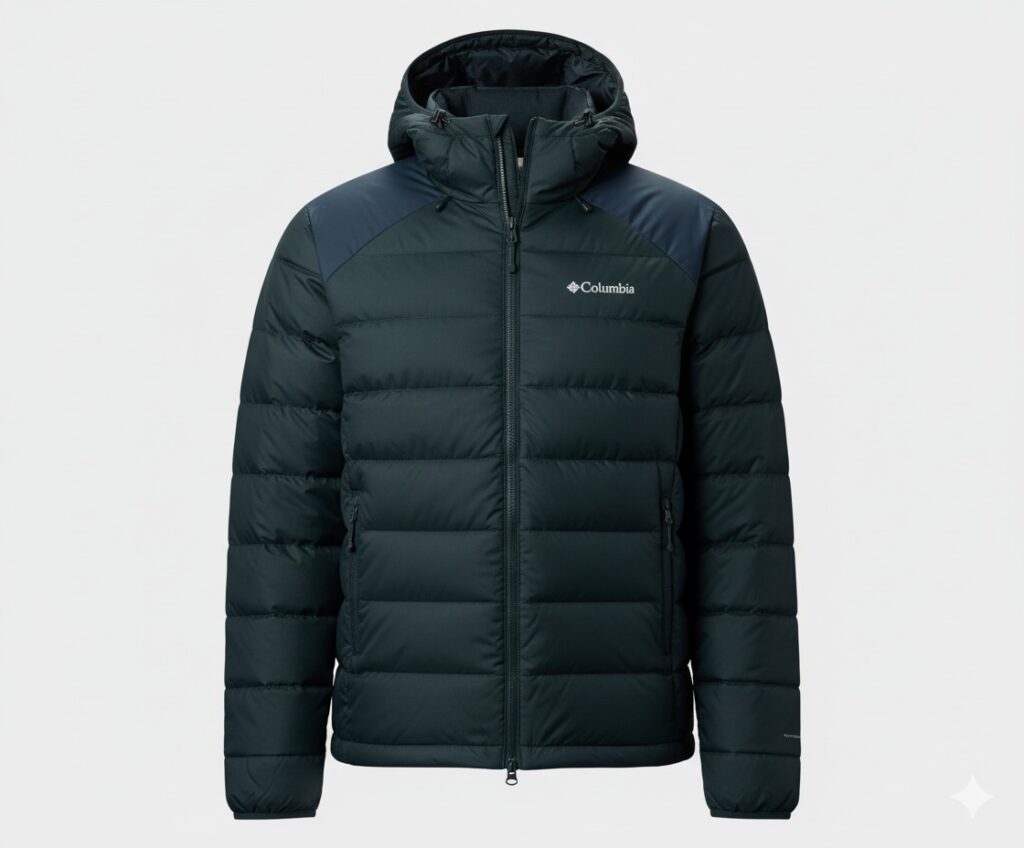
Another important thing to bear in mind is the waterproof capacity of a down jacket. Rain and snow are not unusual on Mount Kilimanjaro, therefore, we recommend choosing warm jackets with a water-resistant outer material to protect you against minor precipitation. If heavy rain or snow starts, you’ll need a special rain jacket to provide extra cover.
Headgear
Proper head protection is essential for both sun and cold.
Sunglasses
High-quality sunglasses are a mandatory safety item. At an altitude of 6,000 meters, UV radiation is significantly more intense than at sea level.
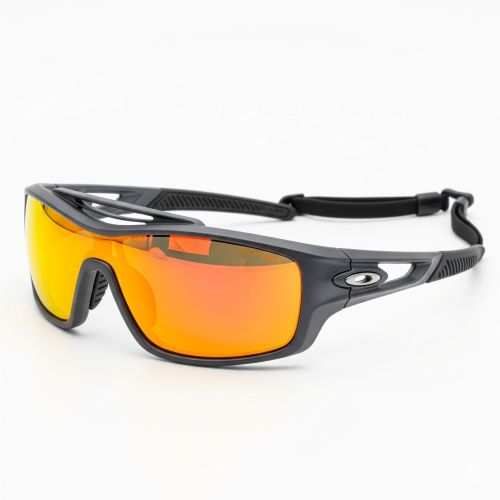
• UV Protection: Your sunglasses must offer a high level of UV protection (level 3 or, ideally, level 4).
• Snow-Blindness Prevention: The snow near the summit reflects light, which can cause a condition called “snow-blindness” and potentially lead to permanent eye damage. You must wear sunglasses even on cloudy days near the summit.
We recommend brands like Julbo and Oakley, which are known for their high-quality mountain eyewear. If you don’t own a suitable pair, you can also rent summit glasses from our rental shop at a competitive price.
Headlamp
A headlamp is an absolute necessity for your Kilimanjaro climb. You will need it for several key reasons:
• Navigating Camp: After sunset, a headlamp is crucial for safely moving around the campsite. It will help you find your tent and avoid tripping over tent ropes and other obstacles in the dark.
• Summit Night: The final ascent to Uhuru Peak typically begins at midnight to reach the summit by sunrise. A headlamp is indispensable for lighting the trail ahead and ensuring a safe climb in the dark.
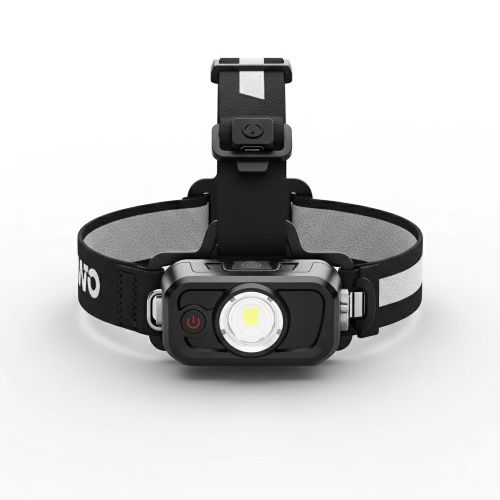
When choosing a headlamp, keep these points in mind:
• Brightness: The brighter the light, the better. Look for a model with a light output of 300-400 lumens or more, and a beam distance of at least 40-50 meters.
• Battery Life: The headlamp should have a long-lasting battery. The active mode should last for at least 30 hours, or you’ll need to bring spare batteries.
• Weight: Since you’ll be wearing it on your head, choose a lightweight model. A headlamp weighing no more than 120g is ideal for comfort.
• Battery Type: Avoid headlamps with rechargeable batteries. The battery life is often shorter, and there are no power outlets on the mountain to recharge them. It’s much safer to use a headlamp with traditional, replaceable batteries.
Sun Hat
A sun hat is a must-have to protect your face and neck from intense UV rays and prevent overheating.

Warm Hat
You’ll need a warm hat for higher altitudes and cold evenings. It should be warm enough to protect your head and ears from the low temperatures and wind on the summit.

Balaclava (Optional)
If you are sensitive to cold, a balaclava is a great addition. A woolen version will protect your chin, nose, and cheeks from the biting wind on summit night.

Neck warmer (Optional)
A neck warmer is useful for providing extra protection for your neck and face from cold and dust.

Gloves
For your Kilimanjaro climb, you will need two distinct types of gloves to keep your hands warm and protected in all conditions: a lightweight pair for daily trekking and a much warmer pair for summit night.
Lightweight Inner Gloves
Starting from the second day of your expedition, a pair of lightweight gloves will be essential for keeping your hands warm. You will likely wear these throughout the climb until you reach the final summit camp.
When choosing these gloves, opt for high-quality materials such as wool, Polartec, or other synthetics, as these fabrics are excellent at wicking moisture. You should avoid cotton gloves, as they retain sweat and offer poor insulation.

Warm Outer Gloves or Mittens
For the cold and windy summit night, you will need a pair of very warm, waterproof gloves or mittens. Mittens are often a better choice, as they keep your fingers together, which helps them retain heat more effectively.
During the eight-hour ascent to the summit, your hands will be exposed to temperatures as low as -15°C (5°F) while you grip your trekking poles. Therefore, it is absolutely critical that your outer hand protection is both warm and waterproof to prevent frostbite and ensure your comfort.

Trekking poles
Trekking Poles
Trekking poles are a highly recommended and valuable addition to your gear. They are not just for comfort—they are essential for your health and safety on the mountain.

High-altitude trekking on Kilimanjaro is a demanding activity. With daily hikes of 7-10 km, lasting 4-8 hours over rugged and rocky terrain, your knees and joints will be under significant strain. Trekking poles help to maintain your balance and provide two additional points of support, which is especially helpful when fatigue sets in on the summit night. Many climbers who don’t use poles report leg and joint soreness both during and after the climb.
Using trekking poles effectively distributes some of your body weight to your hands and upper body, reducing the stress on your knees and other joints.
When choosing trekking poles, consider these factors:
• Weight and Durability: Look for a pair that weighs around 400g. They should be light enough to carry but durable enough to withstand the long, demanding trek.
• Material: Aluminum is an excellent choice for a durable and strong pole. For the grips, cork or foam is best. Cork is often preferred because it’s more comfortable and gentler on your hands.
• Adjustability: Choose poles that are adjustable to your height to ensure proper ergonomic support. Some brands also offer specialized models for taller individuals or children.
Brands like Black Diamond are known for their high-quality trekking poles that are well-suited for a Kilimanjaro expedition.
Sleeping bag
Sleeping bag for Kilimanjaro
A sleeping bag is a fundamental piece of gear for your Kilimanjaro expedition, regardless of the season or route you choose. Even on the Marangu route, where you stay in huts, these facilities are not heated, so it’s your responsibility to stay warm at night.

Your sleeping bag’s warmth is measured by its temperature ratings:
• Comfort Level: The temperature at which you can sleep comfortably in your sleeping bag while wearing only a thermal base layer.
• Limit Level: The lowest temperature at which you can use the bag by wearing additional layers of clothing.
• Extreme Level: This is the temperature at which the bag provides protection against hypothermia in an emergency situation.
Given the very cold temperatures in the upper camps of Kilimanjaro, the comfort level of your sleeping bag should be at least -10°C (14°F). We highly recommend a bag that is even warmer if possible, as a warmer bag is always better on the mountain. A sleeping bag with a hood is also ideal for retaining body heat and ensuring a comfortable night’s sleep.
We recommend sleeping bags like the Mountain Hardwear Lamina Z Blaze (with a comfort level of -15°C / 5°F) and comparable models from The North Face. If you prefer not to bring your own bulky sleeping bag, you can rent one from our shop upon arrival. We regularly update our stock to provide high-quality, reliable options for our climbers.
Sleeping Bag Liner (Optional but Recommended)
A sleeping bag liner is a great way to add extra warmth, especially on the colder nights at higher altitudes. Mummy-shaped liners are more effective than rectangular ones at trapping heat. Both fleece and insulated liners are excellent options and can increase your sleeping bag’s comfort rating by 3-8°C, which can be useful if your bag doesn’t quite meet the recommended warmth level.
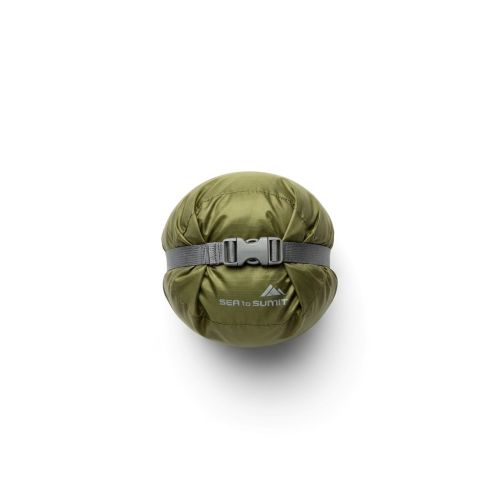
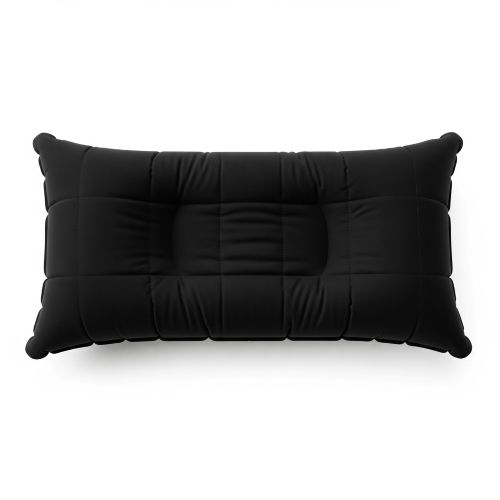
Inflatable pillow (Optional)
While not essential, an inflatable pillow can significantly improve your comfort, especially for reading or relaxing in your tent. Alternatively, you can easily improvise a pillow using a stuffed jacket or your daypack.
Personal & Medical items
Wet wipes (Optional)
Wet wipes are a great way to maintain personal hygiene on the mountain, especially if you haven’t arranged for a portable shower. We recommend packing a smaller pouch for your daypack and a larger one for your duffel bag.

Sunscreen
This is a crucial item. At high altitudes, the sun’s intensity is far greater, and exposed skin will burn quickly without proper protection.
Personal Medication
While your guides will carry a comprehensive first-aid kit for common ailments like headaches and stomach issues, you must bring any personal prescription medications you require. Remember that many medications readily available in your home country may not be found in Tanzania.
Gadgets (Optional)
Camera
Kilimanjaro offers some of the most spectacular scenery in the world. A camera is a great way to capture these moments. A smartphone with a power bank or a GoPro with extra batteries are excellent options for documenting your adventure.
Power Banks
Since there are no power outlets on the mountain, a power bank is a necessity for keeping any of your electronic devices—like your smartphone, e-reader, or camera—charged throughout the trip.
E-book Reader
For those who enjoy reading, an e-book reader is a great item to bring for winding down in your tent at the end of the day.
Mp3 Player
An MP3 player can make your hike more enjoyable, particularly on the long summit night. Listening to your favorite music can help keep your spirits high and make the final push to the top even more memorable.
The Option to Rent Gear and Equipment
For those who are seasoned mountaineers, you likely already own most of the necessary equipment for a climb above 5,000 meters. However, for many, Kilimanjaro is a first major expedition. In this case, renting gear on-site is a highly practical and budget-friendly alternative to purchasing a full kit.
Buying all the required gear for Kilimanjaro can easily cost over a thousand dollars, significantly raising the total cost of your trip. In contrast, renting a complete kit typically costs around $200-$450. If this is a once-in-a-lifetime adventure and you don’t plan on future climbs, renting is the most economical choice.
If you are an avid hiker and plan to climb other mountains, investing in your own gear may be a worthwhile decision. However, be mindful of airline baggage fees; a full set of climbing gear can weigh 15-17 kg, which may exceed standard luggage limits.
Even if you bring your own equipment, you might still consider renting some of the heaviest and bulkiest items, such as a sleeping bag, insulated jacket, or trekking poles. This is especially useful if your itinerary includes other local trips, like a safari or a visit to Zanzibar, where local airlines often have a strict 15 kg luggage limit that may not accommodate both your trekking gear and your regular travel items.
Frequently Asked Questions about Your Climb
How long does it take to climb the mountain?
A typical climb to the summit of Kilimanjaro takes between six and eight days, depending on the route you choose. We highly recommend a longer itinerary, such as a seven-day trip, to allow your body more time to adjust to the high altitude. This gradual ascent significantly improves your chances of reaching the summit successfully and comfortably.
What is the climate like on Kilimanjaro?
The weather on Kilimanjaro varies by season. The most popular times to climb are during the dry seasons from January to early March and again from August through September. These periods generally offer the clearest skies and most pleasant trekking conditions. The rainy seasons typically occur between these months. Regardless of the time of year, you should be prepared for a variety of conditions, as mountain weather can change very quickly.
Should I take malaria pills for the climb?
There is no risk of malaria on the mountain itself due to the high elevation. However, the risk is present in the lower regions of Tanzania before or after your climb. Some trekkers report that anti-malaria medication can have side effects that may be confused with altitude sickness symptoms. We recommend consulting with your physician to make the best decision for your health.
What kind of power adapters are used in Tanzania?
Tanzania primarily uses Type D and G power outlets, which are the standard British three-pin plugs. The voltage is 230V. If you are traveling from a country with a different plug type, you will need to bring a universal travel adapter.
Are trekking poles necessary for the trip?
Yes, we strongly recommend using trekking poles. They are an essential piece of gear that helps reduce the strain on your knees and joints, especially during long descents. Poles also provide crucial stability and balance on the mountain’s varied terrain, helping you maintain a steady rhythm and prevent slips.
How should I prepare for sleeping at high altitude?
Getting a good night’s sleep at high altitude is a concern for many trekkers, but proper acclimatization is the key. The most effective strategy is the “go high, sleep low” principle. Throughout the day, your guide will lead you on hikes to a higher elevation, but you will return to a lower altitude camp to sleep. This helps your body adapt to the thinner air.
A few simple rules will also help you rest better:
• Walk at a slow, steady pace throughout the day.
• Choose a longer climbing route to give your body more time to adapt.
• Tell your guide if you experience any headaches or trouble sleeping. They are trained to assist you and can provide medication if needed.
Request a program
Our Reviews
EXCELLENTVerified Spectacular! Adventure of a Lifetime! Perfect Tanzanian Safari which far exceeded our expectations. Our Family of four had a Semi Luxury Tanzanian & Zanzibar Adventure. We decided on Bush 2 City because of the high ratings, fair pricing and kind and informative guidance. We worked with Neema to plan our adventure through the Ngorongoro Crater, Ndutu and Central Serengeti. Neema was patient with all my questions and changes, she made booking directly without a travel agent thorough and flawless. She advised on best route, accommodations, visas and travel insurance, which was great because our flight from the States was one day late because of snow storm. Neema courteously adjusted our safari and met us at the airport the next day. We were reimbursed in full from Nomads travel insurance which she suggested. The hotels, Safari Lodges and meals Neema selected were all first class, which says a lot because I am very particular. Ngorongoro, Ndutu, Serengeti January Safari was perfect because of the Wildebeest calving season, attracting predators like lions and Cheetahs. We saw Wildlife at every turn. Elephant, Zebra, Giraffe, Lion, Cheetah, Leopard, Hyena, Rhino, Hippo, Buffalo... We had a private Land Cruiser with David as our Guide from Arusha all the way through to the Seronera Airstrip. We couldn't have been in better hands. David has been a safari guide for almost 20 years and it shows. We saw all the big five and more. He is truly an expert driver and he can spot a far off leopard in a tree invisible to us until he navigates next to it for the ideal photo. We had so much fun with David. His knowledge, professionalism, kindness and patience made our Safari Perfect. We went on to relax a few days in Zanzibar which was great. It also would have been nice to have gone on to see the Gorillas in Uganda, another bucket list trip. So I guess we will be going back to Africa, and when we do we will definitely book with Bush 2 City Adventure!Posted onVerified Amazing Safari We did a wonderful Safari Tour with Ali from Bush 2 City. We stayed in Tarangire Park, Ngorongoro Crater and Serengeti Park. We had choosen the luxury plus version. Everything was excellent and we really enjoyed our trip. Ali did a great job and we always felt safe. The hotels were amazing. We did also an air balloon trip in Serengeti. Everything was perfect and worked out as planned. We really really enjoyed this vacation and can highly recommend it.Posted onVerified Consistent Wonderful Second Experience Everything was perfect with our trip to see the gorillas. It was truly a trip of a lifetime. Four Gorillas Lodge where we stayed was excellent and our driver was wonderful. The vehicles were comfortable, top-notch quality for this trek. I've used Bush 2 City for two separate trips for consistent amazing experiences. This was a hard hike so I would recommend they add the porter to the experience, but it is only $20 if you want to do it yourself.Posted onVerified Beyond All Expectations – An Unforgettable Journey in Tanzania We spent 11 days in Tanzania with Bush 2 City: 6 days on safari and 4 days in Zanzibar, and everything was absolutely perfect from start to finish. From the very beginning, we felt supported and taken care of throughout the entire trip. Everything that had been agreed before departure was fully respected, with no surprises and excellent organization. The safari experience exceeded all our expectations, especially thanks to our driver Ali, who was professional, knowledgeable, kind, and always attentive to our needs. His experience truly made the difference and turned the safari into something unforgettable. It was a dream holiday, one we will remember forever. For us, Bush 2 City is highly recommended without hesitation.Posted onVerified Top Dollar, Top Guide, Top Service Bush2City Definite Winner Hand Down Want personalization and expert guiding with fair prices, then choose Bush2City. Definite winners, hands down! Ibraham in Kenya or Ally in Tanzania can locate rare sightings, like a lioness preparing to give birth, long before guests even notice them These guides explain the "whys" behind animal behavior and offer cultural storytelling experiences. Ask, and they deliver. Ally bought us cheap Coke so we did not have to pay restaurant markups, and Robert in Kenya found the travel converter we forgot to pack without even making us change currency. Ibraham helped me up and down the high step—a real lifesaver. These guides adjust to your pace. A personal representative who follows up by cellphone Neema, stationed in the office, called us every day.Neema was so concerned whem i requested meddical transport that she made it a point to hold my hand tothe airport. Jackson, the owner, also got involved and made certain I got fair prices and his discounts for the emergency travel. Exceptional service and 24/7 availability. Do what I did: call around after you get a quote from Bush2City, and you will find other operators charge more.Posted onVerified A great agency with a bright future. Bush2City planned our one-week Tanzania safari trip in Angata Migration Camp Ndutu and Four Seasons Serengeti, and the safari experience itself was excellent. The wildlife viewing went beyond expectations, the planning and timing of the safaris was perfect, and our safari guide DAVID was knowledgeable, timely, helpful, and accommodative. The 8-seater vehicle was very comfortable, with ample space and a pop-up roof that was ideal for photography and an overall better experience. Both properties were clean, well managed, and offered great hospitality, with good coordination throughout our stay, ensuring a comfortable and enjoyable safari experience. The only downside, given that it is a fairly new company, is that there were coordination and communication issues regarding the bush flights. A domestic flight was missed due to booking confirmation oversight, and were taken late to the airport. The internal bush flights miscommunication caused confusion and unnecessary stress at the start of the trip. We were also not informed in advance about a stop on our domestic return flight. While international flight delays were not their fault and the team did make genuine efforts to help, their ability to handle pressure situations and manage flights needs improvement for all future travels. Rest all service from JACKSON, NEEMA and DAVID was excellent!Posted onVerified Fantástico!! A Bush2City conseguiu tornar uma experiência naturalmente fantástica (o Safari) em algo mágico!! Eu e minha esposa só temos a agradecer a companhia, e em especial, à Neema e ao David, para além de guias excelentes, são pessoas boas, que nos ajudaram em tudo e mais um pouco que precisamos durante a após todo o passeio!! Um feliz ano novo à todos!! Obrigado por tudo!!Posted onVerified Tanzania safari experience Jackson we very responsive from the very beginning to the end for planning every detail on this trip for our family considering we had kids under 10 we wanted to make sure that the trip was curated specific to our liking. The drivers that were with us for the entire trip were a wealth of knowledge, were always accommodating to on our schedule and made every effort to ensure a wonderful viewing of all the animals , sunrises sunsets and also took us to some local artisans and shopping sprees to end the trip !! Highly recommend Bush 2 City for your safari adventurePosted onVerified Trip of a Lifetime Our fabulous “trip of a lifetime” proved to be everything we envisioned. Animals roaming free on the African landscape; a balloon ride over the Serengeti; spectacular sunsets; amazing tented outposts within the National Parks. The people were warm, welcoming and ensured our every comfort. With special thanks to our guides and driver, Nickson, who took very good care of us. This was truly a spectacular experience!
Ready for Your Next Great Adventure?
Get Your Custom Travel Plan in Just 3 Hours!