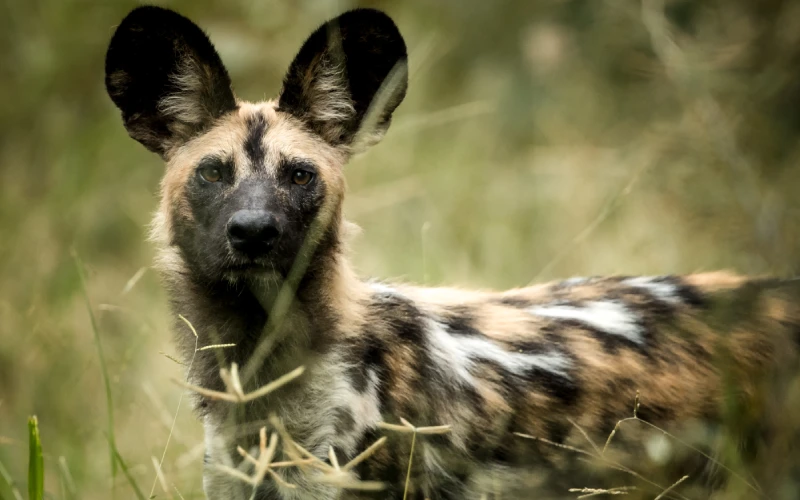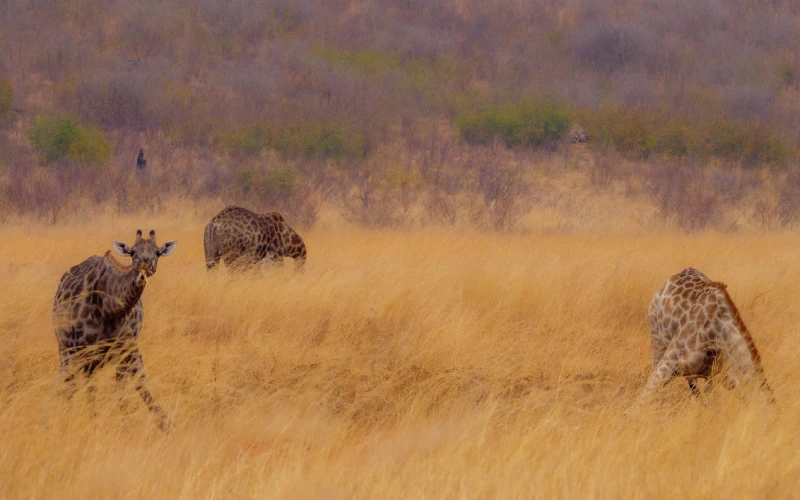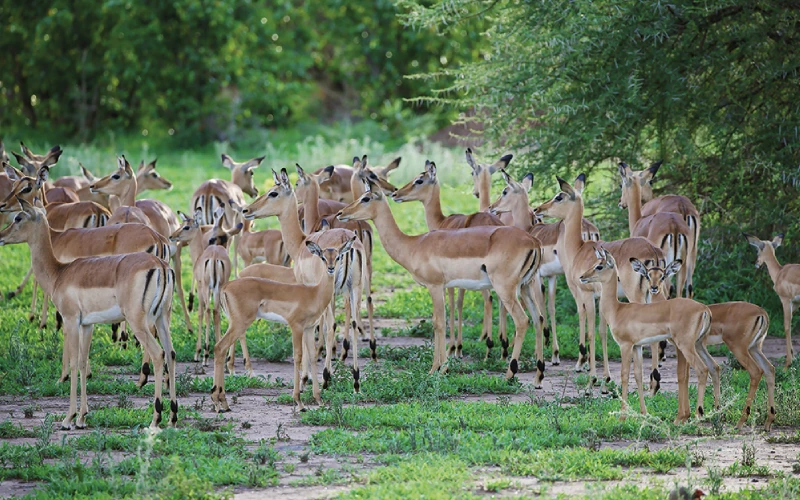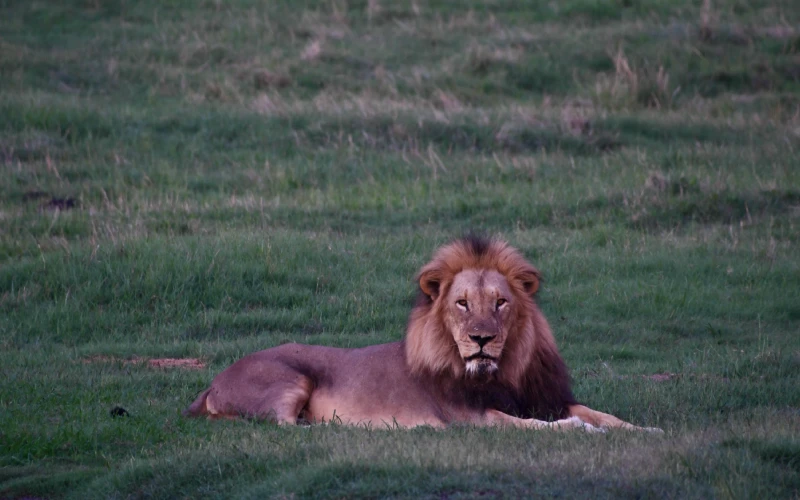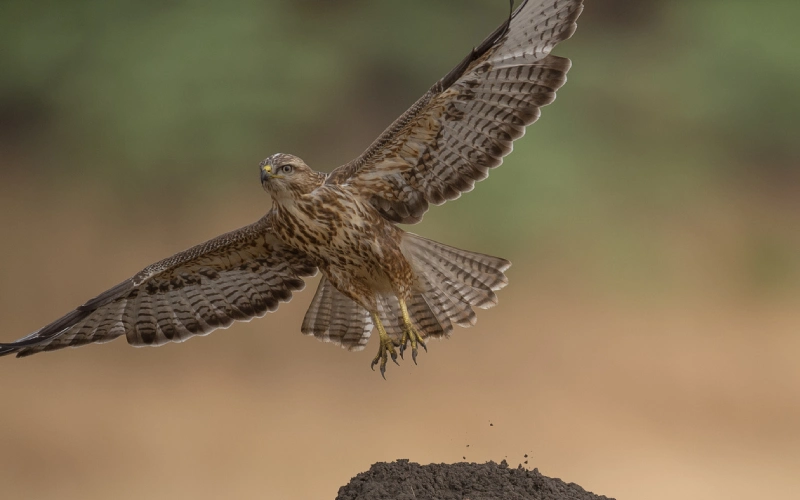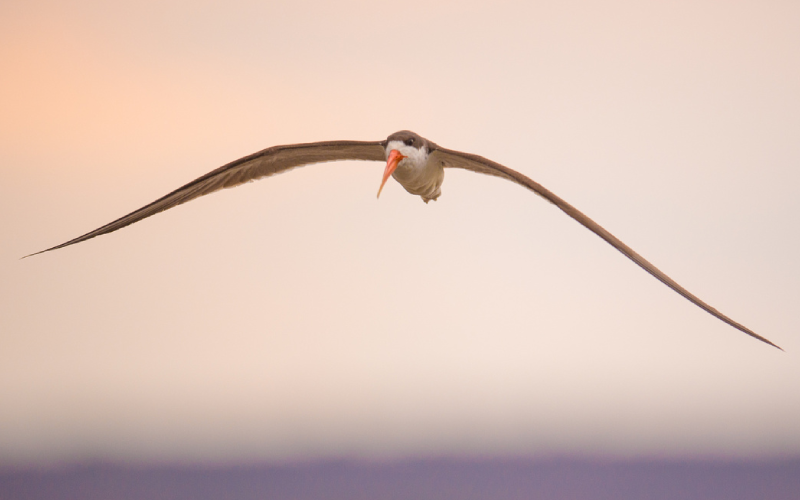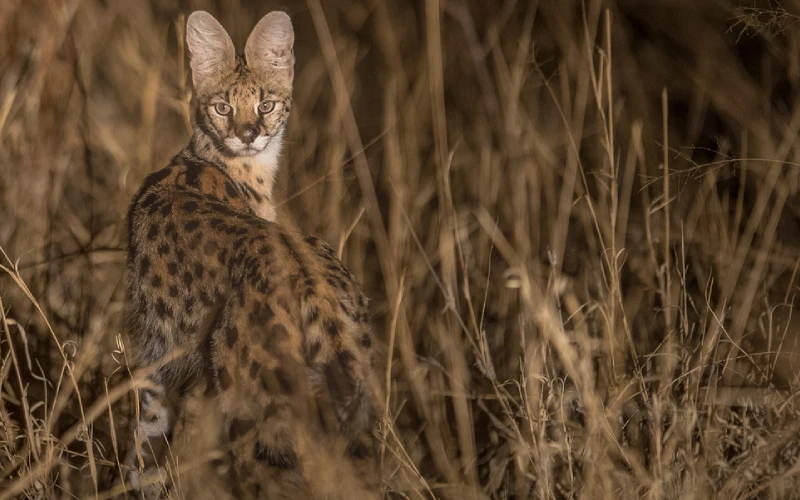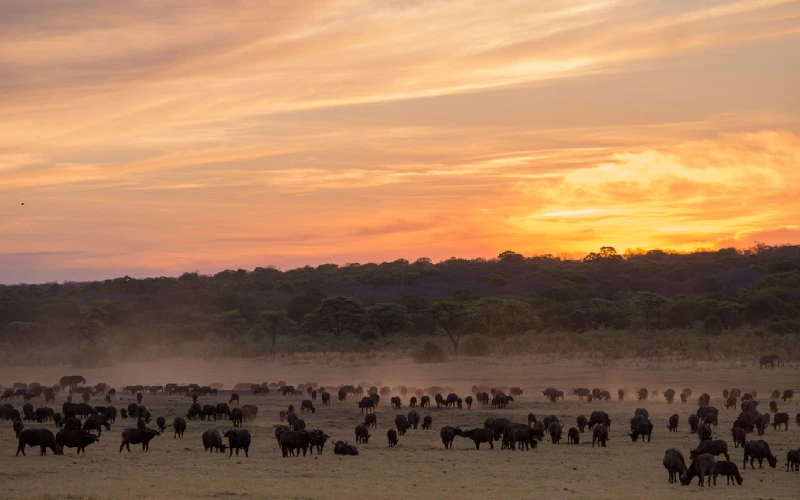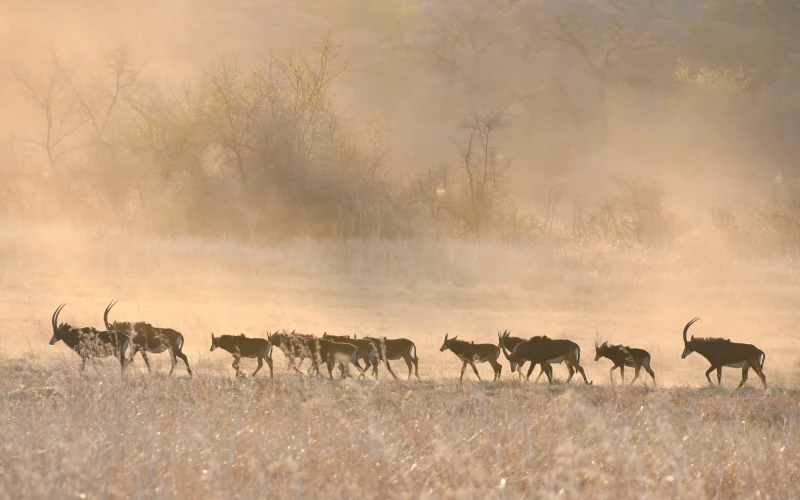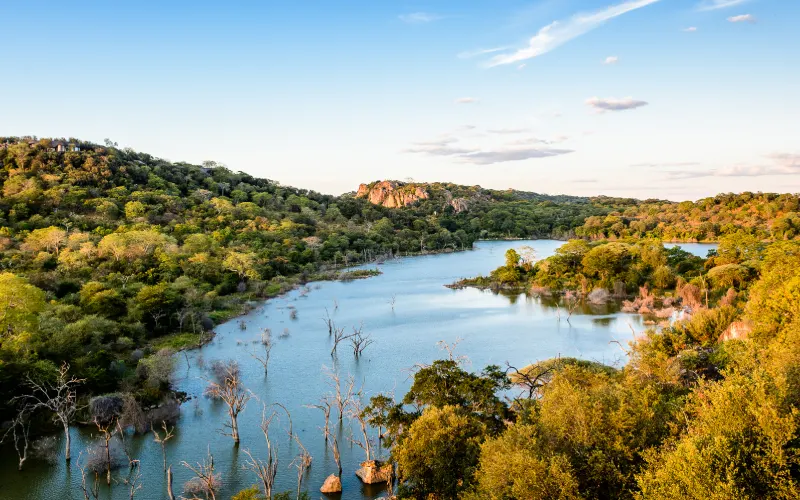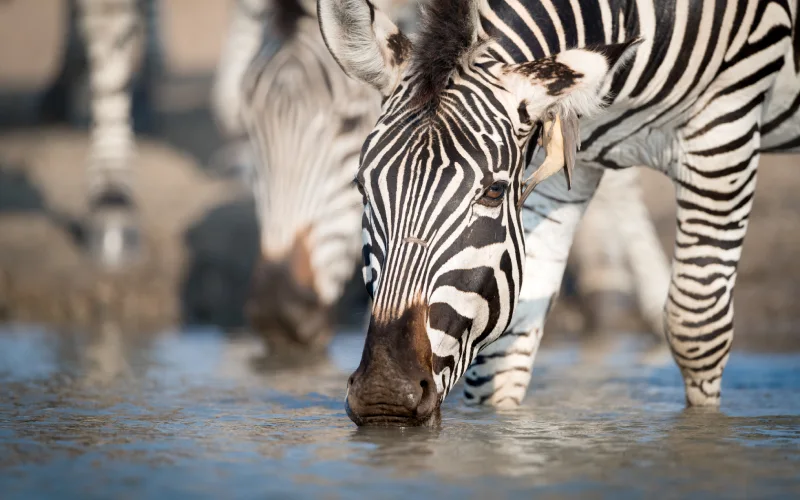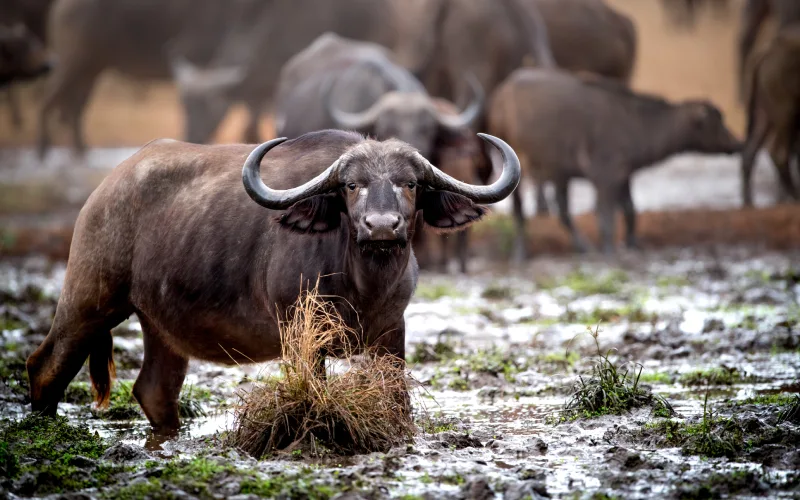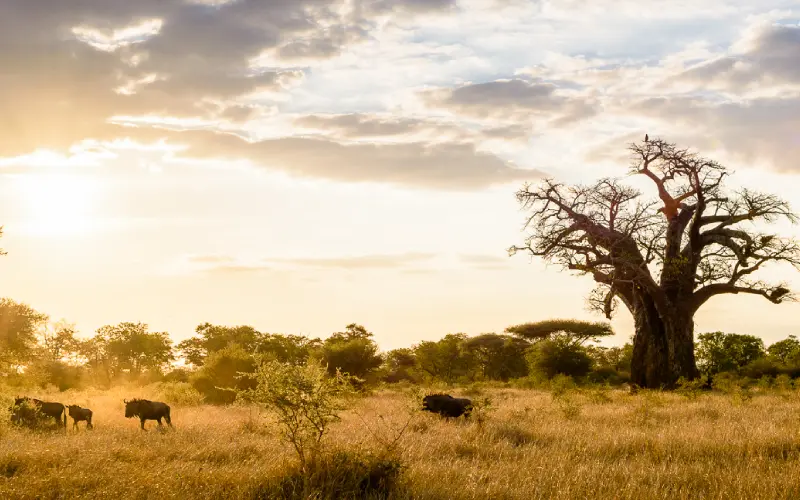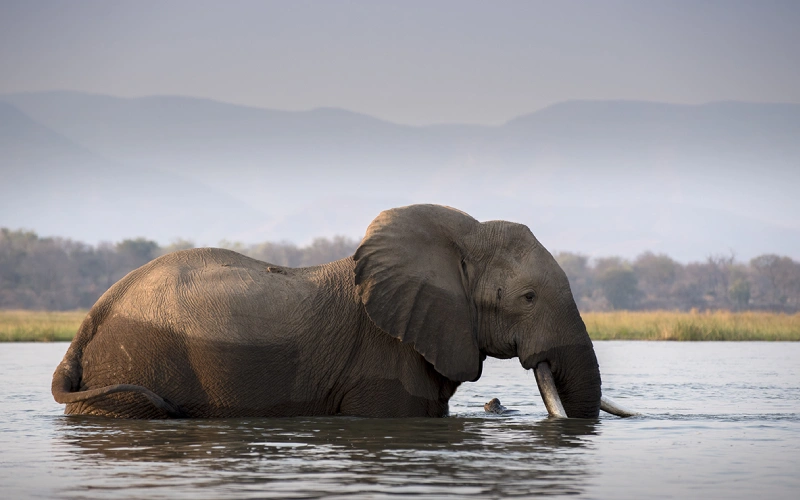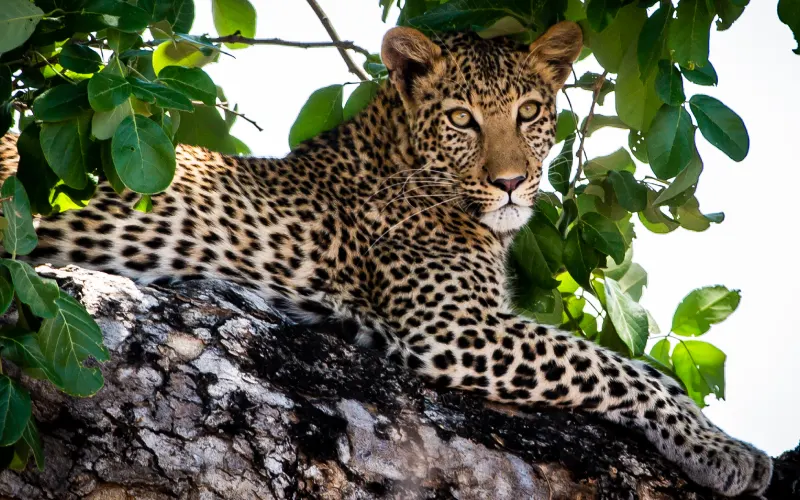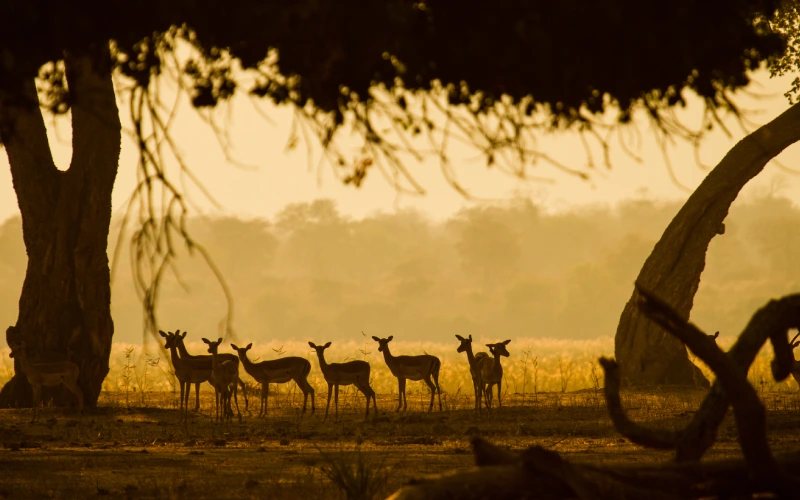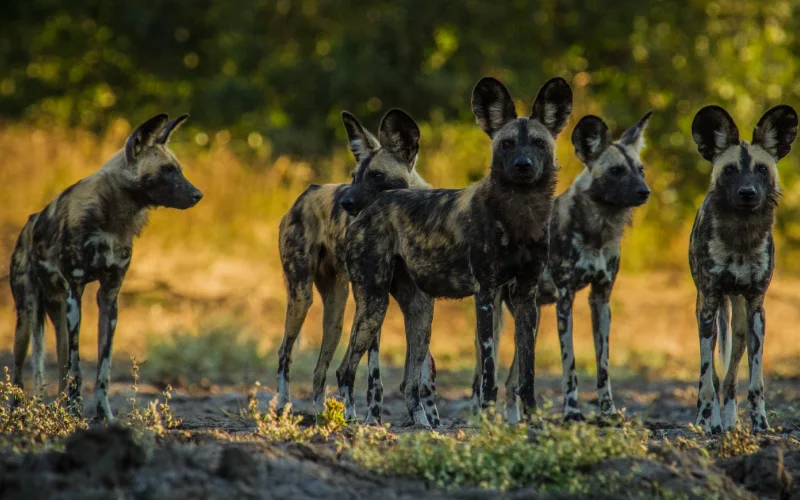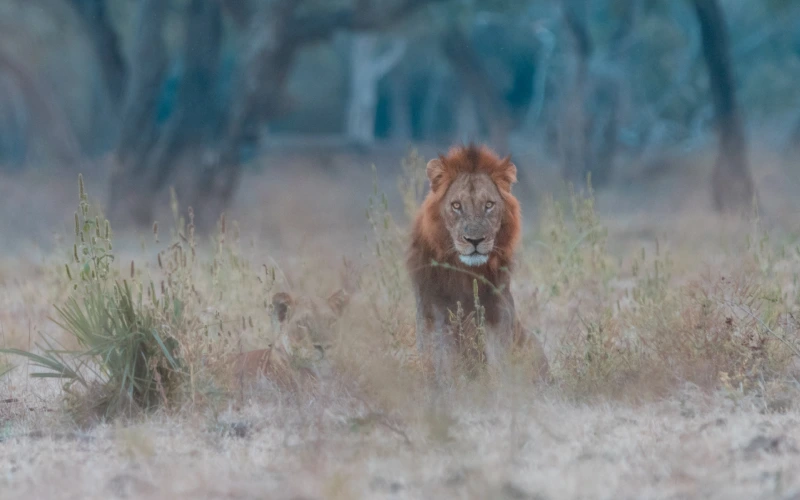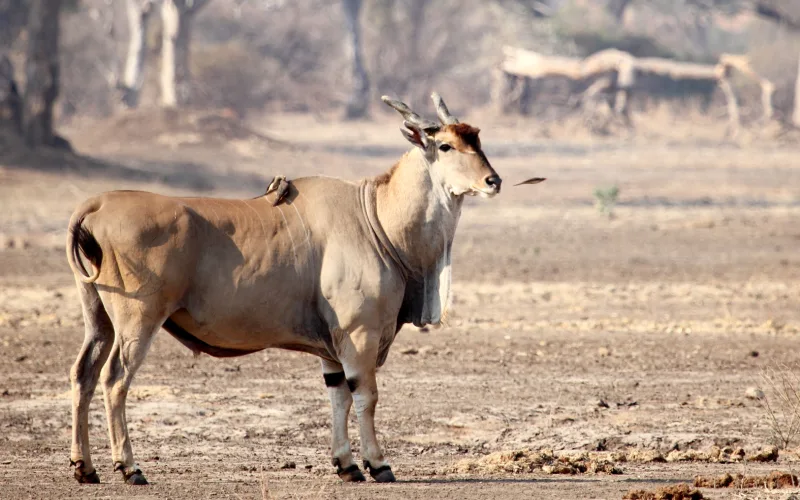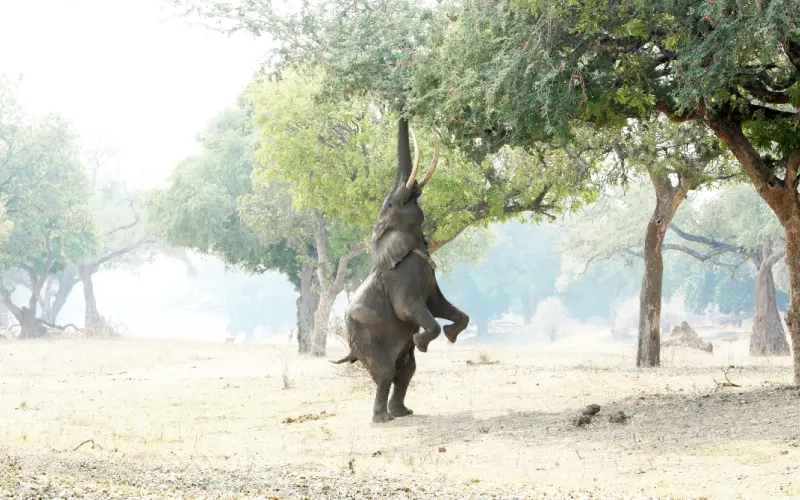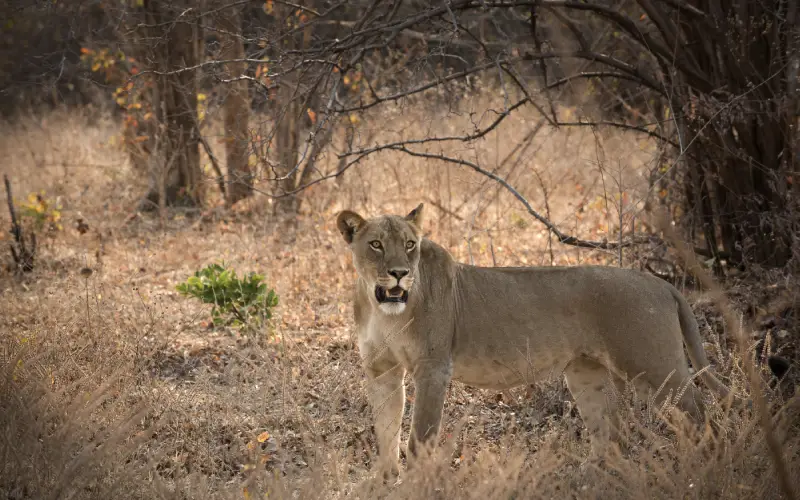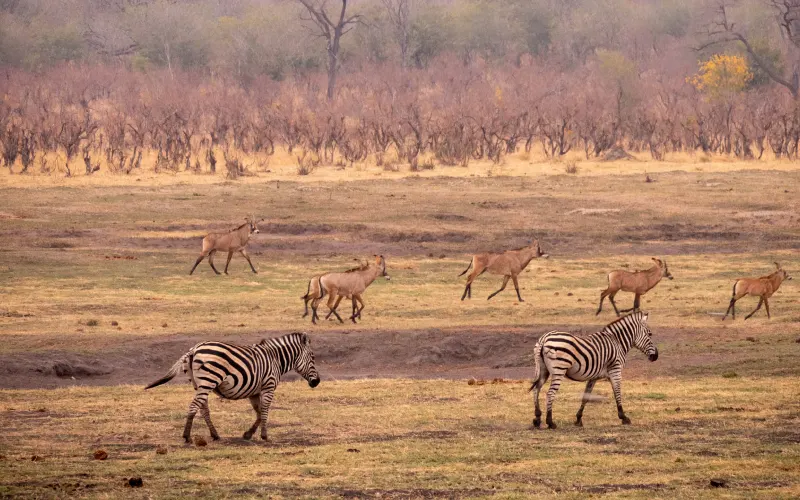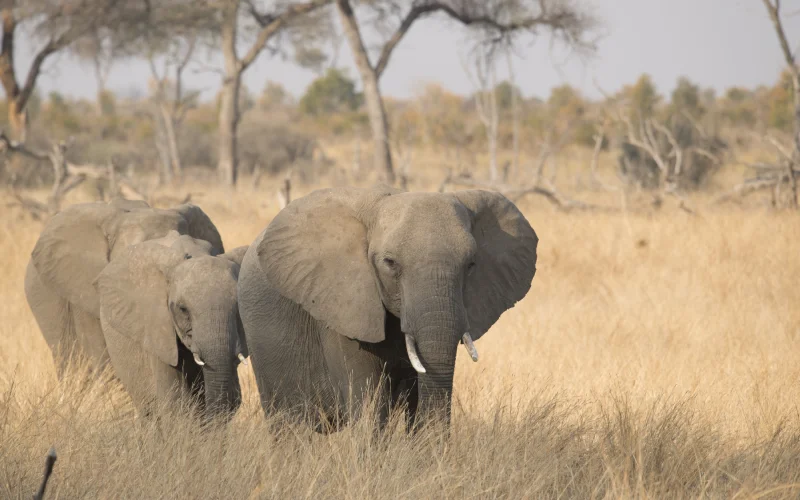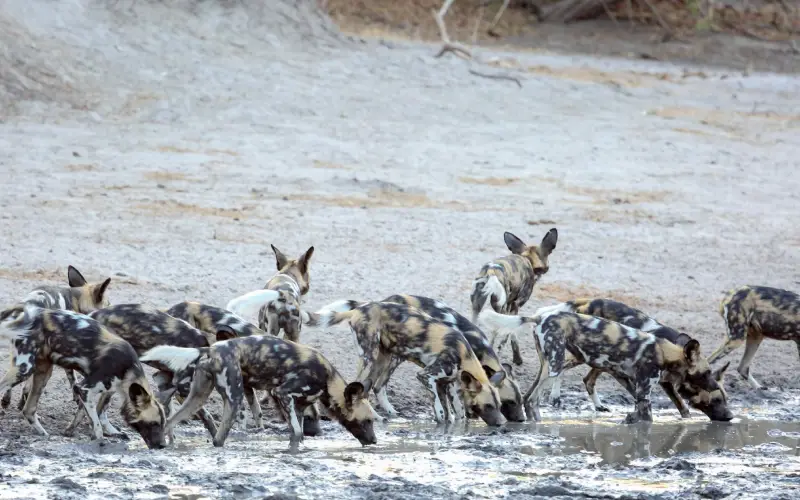
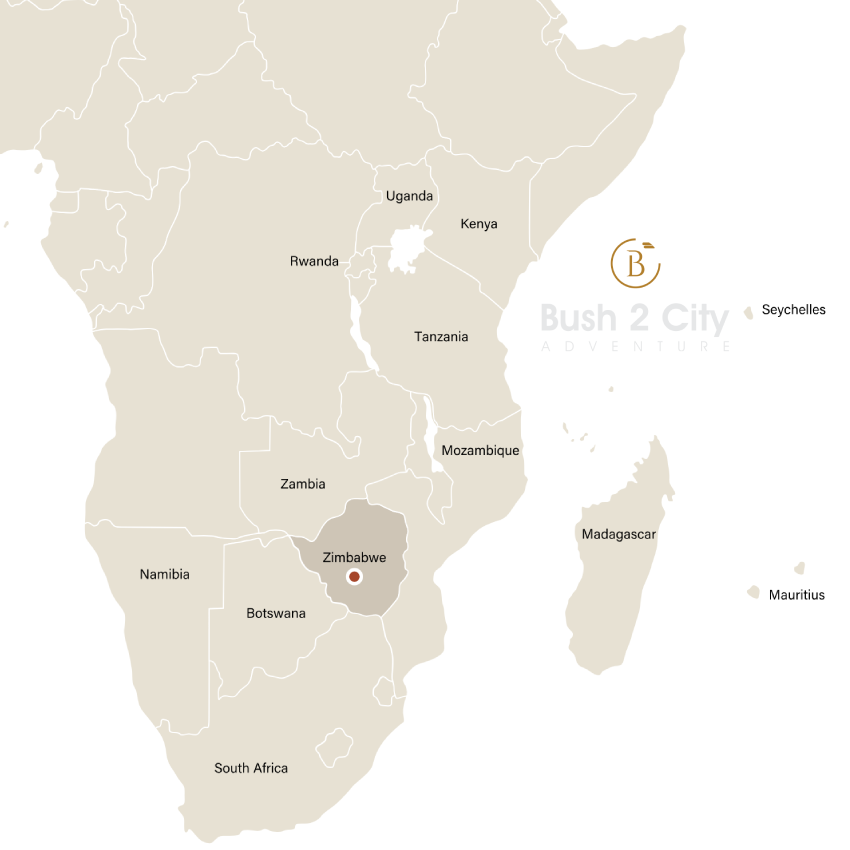
Hwange and Mana Pools are Zimbabwe’s top spots for wildlife viewing, but don’t overlook the remote yet equally impressive Matusadona and Gonarezhou National Parks. These parks teem with elephants, buffalo, hippos, zebras, warthogs, and various antelope species. Lions and spotted hyenas are commonly seen, especially in Hwange, while leopards, cheetahs, and African wild dogs are more elusive. Rhinos are rare but can be tracked on foot in Matobo National Park, offering a unique experience.
Zimbabwe is a masterclass in the raw, untamed wild, where the classic game drive through Hwange is just the beginning. The adventure reaches a deeper level in Mana Pools and Gonarezhou, where the landscape is defined by the legendary intimacy of walking safaris.
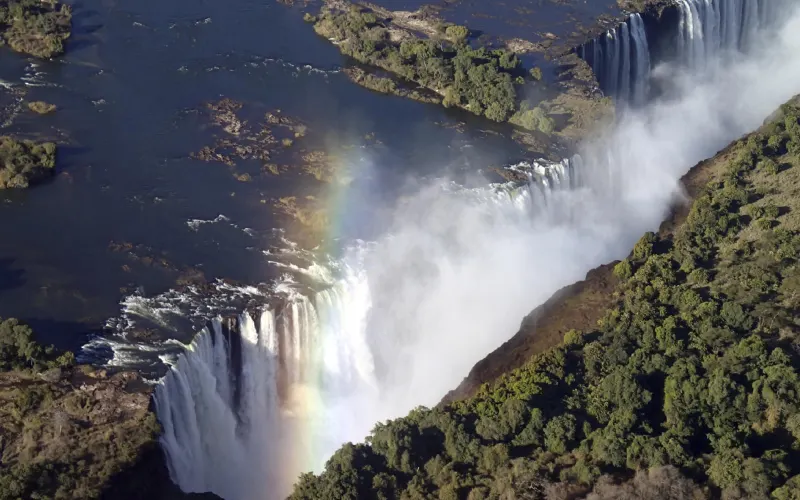
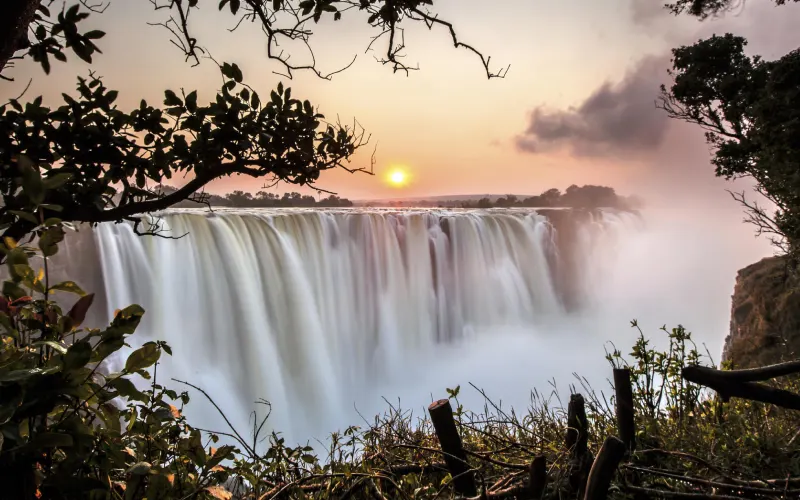
The journey flows from the thundering majesty of Victoria Falls—and the high-octane thrill of bungee jumping and white-water rafting—to the ancient soul of the country. Whether exploring the stone ruins of Great Zimbabwe, discovering evocative rock art, or standing at the panoramic vistas of the Matobo Hills, Zimbabwe offers a seamless blend of spectacular natural wonder and profound history.
Zimbabwe is a fantastic destination for safaris. While game drives in Hwange and other national parks are a highlight, many private lodges also offer exhilarating guided walking safaris in Mana Pools, Gonarezhou, and Matusadona. Other popular activities include viewing the stunning Victoria Falls by foot or from the air, bungee jumping and white-water rafting near the Falls, and exploring the ancient ruins of the Great Zimbabwe stone city.
While the Wet season (November to March) offers lush landscapes, the best time for wildlife viewing is during the Dry season (April to October), especially from June onward. Victoria Falls is stunning throughout the year, but its peak drama occurs from February to June when the water flow is at its highest. From July to September, the falls are still spectacular, with less spray and clearer views.
Hwange National Park is a prime destination, home to the iconic Big Five and conveniently located near Victoria Falls. It offers excellent wildlife viewing opportunities. Mana Pools National Park is an adventurous and less-visited wilderness area, renowned for its superb walking safaris. For a truly off-the-beaten-path experience, consider the remote Matusadona and Gonarezhou National Parks. These parks are witnessing a growth in elephant, buffalo, lion, and other wildlife populations, making them hidden gems for safari enthusiasts.

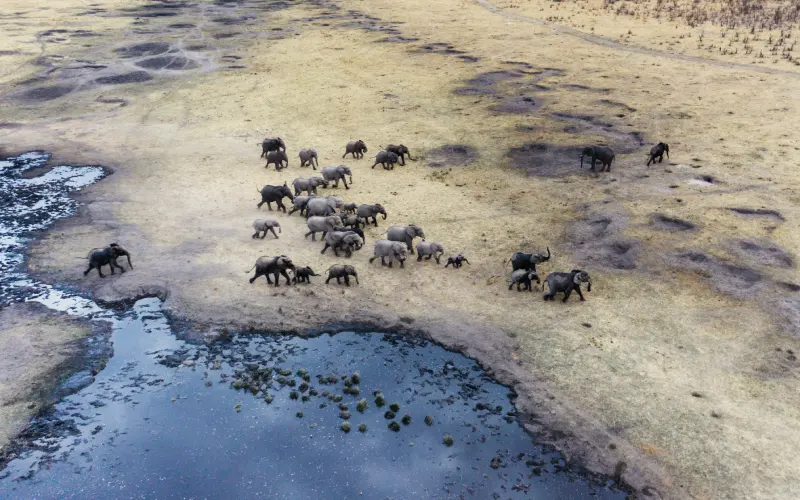
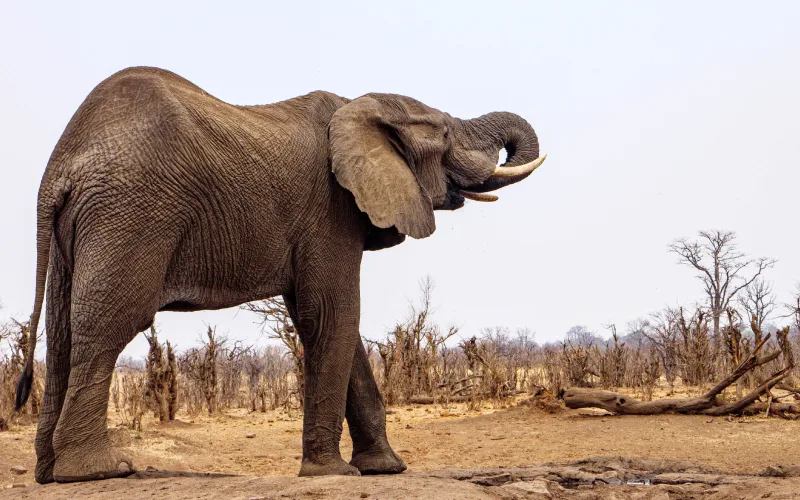
Zimbabwe’s parks are renowned for their dense elephant populations, with Hwange being a standout. During the Dry season (April to October), hundreds of elephants often gather around a single waterhole in Hwange, providing a remarkable sight. The park is also known for its unique wildlife, including sable antelope, brown hyena, bat-eared fox, and springhare. Zimbabwe is a great destination to spot buffalo, hippos, lions, and the endangered African wild dog. For rhino sightings, head to Matobo National Park, known for its reliable encounters with these magnificent creatures.
For the best wildlife viewing experience, plan your visit during Zimbabwe’s Dry season (April to October). The middle to end of this season, particularly from June or July to October, is ideal, as animals tend to gather around the few remaining water sources, making them easier to spot. In contrast, the Wet season (November to March) is characterized by afternoon showers.
Zimbabwe boasts an impressive array of over 700 bird species, making it a paradise for birdwatchers. While the country doesn’t have any birds unique to its borders, several near-endemics can be spotted in the globally important Eastern Zimbabwe Mountains Endemic Bird Area (EBA). What sets Zimbabwe apart for birding enthusiasts is the exceptional standard of guiding in its national parks and the abundant opportunities for walking safaris, providing an immersive birdwatching experience. Migratory birds visit from November to April, enhancing the already phenomenal birdlife in the country.
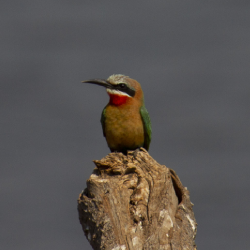

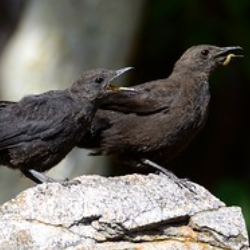
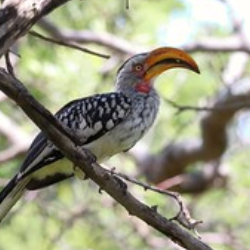
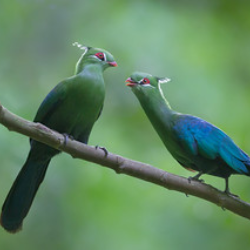
Zimbabwe truly comes alive for birdwatchers during the Wet season from November to April. This period sees the arrival of migratory birds, showcasing all species in their full breeding plumage. The lush scenery is stunning now, offering a picturesque backdrop for birdwatching. However, for the best overall wildlife viewing experience, including mammals, the middle and end of the Dry season from June or July to October are ideal.
550+
Oct to Apr

To make the most of your visit to Zimbabwe, aim for a trip between June or July and October. During this period, wildlife viewing is exceptional as animals gather around rivers and waterholes, creating prime viewing opportunities, especially in Hwange National Park where artificially pumped waterholes attract large herds of elephants. While Victoria Falls is stunning throughout the year, the most breathtaking experience is from February to June when the water flow is at its peak. Even from July to September, the falls remain spectacular with less spray and clearer views.
Zimbabwe’s climate is delightful, offering a variety of temperatures across its regions. The central Highveld plateau enjoys temperatures up to 28°C/82°F. Lower-lying areas like Hwange and Zambezi National Parks are consistently warmer throughout the year. Parks like Mana Pools, Matusadona, and Gonarezhou, situated even lower, experience hotter temperatures, sometimes reaching 35°C/95°F.
During the Wet season (November to March), rainfall is common in the afternoons. The Dry season (April to October) brings cooler temperatures, with nights and mornings dropping to around 5°C/41°F. However, daytime temperatures remain pleasant and sunny.
The currency in Zimbabwe is the Zimbabwean Dollar. While cash transactions are accepted in foreign currency (Forex), the most widely used and accepted foreign currency is the US Dollar, with the South African Rand (ZAR) also being accepted.
Zimbabwe is in the Central Africa Time Zone (CAT), two hours ahead of Greenwich Mean Time (GMT+2), the same time zone as the rest of Southern Africa.
Unfortunately, credit card facilities are not widely available in Zimbabwe. However, payment can be made in cash, and debit card transactions are accepted.
In Zimbabwe, power sockets are 220V. If you have devices that require 110V, please bring a converter. Additionally, it’s advisable to bring universal travel adaptors and extra batteries.
When packing for a safari in Zimbabwe, consider potential luggage weight or size restrictions. Consult with your Travel Designer for personalized advice based on your itinerary. Generally, pack warm clothing for cooler months and light clothing for summer. Avoid bright colors and white clothing.
Great Zimbabwe was a medieval African city renowned for its large circular wall and tower. It was part of a prosperous African trading empire that controlled a significant portion of the East African coast from the 11th to the 15th centuries. Archaeologists have discovered Chinese and Persian pottery, as well as Arab coins, among the ruins, making it a fascinating destination to explore on your journey through Zimbabwe.
Please consult your Travel Designer to determine if you require a visa to enter Zimbabwe. Some nationalities need to apply in advance, while others can obtain a visa upon arrival at the port of entry.
If you are traveling to Zimbabwe from a yellow fever-infected area, a valid yellow fever vaccination certificate is required. We also recommend that guests have up-to-date TPD (tetanus, polio, diphtheria) and hepatitis A vaccinations.
Please consult your Travel Designer or a travel clinic a few weeks before your departure. Some malaria medications need to be started in advance of your visit to Zimbabwe.
Hwange and Mana Pools are Zimbabwe’s top spots for wildlife viewing, but don’t overlook the remote yet equally impressive Matusadona and Gonarezhou National Parks. These parks teem with elephants, buffalo, hippos, zebras, warthogs, and various antelope species. Lions and spotted hyenas are commonly seen, especially in Hwange, while leopards, cheetahs, and African wild dogs are more elusive. Rhinos are rare but can be tracked on foot in Matobo National Park, offering a unique experience.
Zimbabwe is a fantastic destination for safaris. While game drives in Hwange and other national parks are a highlight, many private lodges also offer exhilarating guided walking safaris in Mana Pools, Gonarezhou, and Matusadona. Other popular activities include viewing the stunning Victoria Falls by foot or from the air, bungee jumping and white-water rafting near the Falls, and exploring the ancient ruins of the Great Zimbabwe stone city.
While the Wet season (November to March) offers lush landscapes, the best time for wildlife viewing is during the Dry season (April to October), especially from June onward. Victoria Falls is stunning throughout the year, but its peak drama occurs from February to June when the water flow is at its highest. From July to September, the falls are still spectacular, with less spray and clearer views.
Hwange National Park is a prime destination, home to the iconic Big Five and conveniently located near Victoria Falls. It offers excellent wildlife viewing opportunities. Mana Pools National Park is an adventurous and less-visited wilderness area, renowned for its superb walking safaris. For a truly off-the-beaten-path experience, consider the remote Matusadona and Gonarezhou National Parks. These parks are witnessing a growth in elephant, buffalo, lion, and other wildlife populations, making them hidden gems for safari enthusiasts.
Zimbabwe’s parks are renowned for their dense elephant populations, with Hwange being a standout. During the Dry season (April to October), hundreds of elephants often gather around a single waterhole in Hwange, providing a remarkable sight. The park is also known for its unique wildlife, including sable antelope, brown hyena, bat-eared fox, and springhare. Zimbabwe is a great destination to spot buffalo, hippos, lions, and the endangered African wild dog. For rhino sightings, head to Matobo National Park, known for its reliable encounters with these magnificent creatures.
For the best wildlife viewing experience, plan your visit during Zimbabwe’s Dry season (April to October). The middle to end of this season, particularly from June or July to October, is ideal, as animals tend to gather around the few remaining water sources, making them easier to spot. In contrast, the Wet season (November to March) is characterized by afternoon showers.
Zimbabwe boasts an impressive array of over 700 bird species, making it a paradise for birdwatchers. While the country doesn’t have any birds unique to its borders, several near-endemics can be spotted in the globally important Eastern Zimbabwe Mountains Endemic Bird Area (EBA). What sets Zimbabwe apart for birding enthusiasts is the exceptional standard of guiding in its national parks and the abundant opportunities for walking safaris, providing an immersive birdwatching experience. Migratory birds visit from November to April, enhancing the already phenomenal birdlife in the country.
550+
Oct to Apr
Zimbabwe truly comes alive for birdwatchers during the Wet season from November to April. This period sees the arrival of migratory birds, showcasing all species in their full breeding plumage. The lush scenery is stunning now, offering a picturesque backdrop for birdwatching. However, for the best overall wildlife viewing experience, including mammals, the middle and end of the Dry season from June or July to October are ideal.
550+
Oct to Apr
To make the most of your visit to Zimbabwe, aim for a trip between June or July and October. During this period, wildlife viewing is exceptional as animals gather around rivers and waterholes, creating prime viewing opportunities, especially in Hwange National Park where artificially pumped waterholes attract large herds of elephants. While Victoria Falls is stunning throughout the year, the most breathtaking experience is from February to June when the water flow is at its peak. Even from July to September, the falls remain spectacular with less spray and clearer views.
Zimbabwe’s climate is delightful, offering a variety of temperatures across its regions. The central Highveld plateau enjoys temperatures up to 28°C/82°F. Lower-lying areas like Hwange and Zambezi National Parks are consistently warmer throughout the year. Parks like Mana Pools, Matusadona, and Gonarezhou, situated even lower, experience hotter temperatures, sometimes reaching 35°C/95°F.
During the Wet season (November to March), rainfall is common in the afternoons. The Dry season (April to October) brings cooler temperatures, with nights and mornings dropping to around 5°C/41°F. However, daytime temperatures remain pleasant and sunny.
Embarking on an African safari promises an adventure of a lifetime, showcasing the continent’s rich wildlife, breathtaking landscapes, and diverse cultures. While safaris are widely considered safe, especially those organized through reputable tour operators, it’s prudent to take certain precautions to ensure a smooth and secure experience. Here are some essential safety tips to consider:
Traveling through Africa offers an enriching experience filled with breathtaking landscapes, diverse cultures, and unparalleled wildlife encounters. While it’s generally safe, especially on organized tours or safaris, navigating urban environments requires a bit of savvy to ensure your trip remains worry-free. Here are some straightforward tips to keep in mind, whether you’re exploring bustling metropolises or serene landscapes:
Exploring the wild through a safari adventure is an exhilarating experience that brings you closer to nature’s most fascinating wildlife. Whether you opt for a guided tour with an experienced professional or decide to navigate the trails on a self-drive journey, safety is paramount to ensure an enjoyable and incident-free adventure. Here are some essential safety guidelines and tips to help you navigate your safari safely: