You are here:

Pian Upe Wildlife Reserve

Pian Upe WR

Overview

Wildlife

Birds

Best Time To Visit

Weather & Climate

Getting There

Malaria & Safety

Accommodations

Overview – Pian Upe WR
Pian Upe Wildlife Reserve safeguards a vast expanse of acacia-dotted savannah in a remote corner of eastern Uganda, north of Mount Elgon. As the country’s second-largest protected area, it remains one of its most isolated and least-visited safari destinations. While wildlife diversity is notable, animal densities are relatively low, and the reserve’s true appeal lies in its sense of space, solitude, and unspoiled wilderness.
Pian Upe - Bush2City (2)
Best Time To Go
November to March (Dry season)
High Season
June to September (But it’s never busy)
Size
2,788km² / 1,076mi²
Altitude
1,044-2,489m / 3,425-8,166ft
Pros & Cons
Hosts the country’s most significant population of cheetahs
Supports a diverse range of antelope and other grazing mammals
Features dry-habitat bird species that are rarely found in western Uganda
The only place to see the endemic Fox’s weaver, unique to Uganda
Can be easily combined with Kidepo Valley National Park for a rewarding eastern safari circuit
Offers opportunities to engage with the traditional cultures of the Pian and Upe pastoralist communities
Low visitor numbers create a remote, unspoiled safari experience
Visitor facilities are limited and generally simple in nature
Only two members of the Big Five—leopard and buffalo—are found here
Wildlife
A visit to Pian Upe Wildlife Reserve is defined more by its raw wilderness and sense of isolation than by high concentrations of game. Although wildlife densities remain modest, species diversity is respectable and populations are gradually recovering. Common sightings include buffalo, plains zebra, Rothschild’s giraffe, patas monkey, eland, greater kudu, and Uganda’s only population of roan antelope. Cheetah are present as well—uncommon, but a notable highlight for fortunate visitors. Birdlife is equally rewarding, with around 250 recorded species. Highlights include ostrich, Jackson’s hornbill, white-headed buffalo-weaver, and the endemic Fox’s weaver.
Scenery
Pian Upe Wildlife Reserve is characterized by wide-open plains blanketed in thorny acacia savannah. One of its most scenic features is Loporokocho Swamp, a seasonal wetland that supports reliable wildlife sightings and outstanding birdlife. The reserve is framed by striking volcanic highlands that enhance its dramatic setting. To the south rises Mount Elgon, reaching 4,321m (14,177ft) and ranking among Africa’s highest massifs, while Mount Kadam stands prominently to the east at 3,063m (10,049ft).
Activities
Game drives are the primary way to explore Pian Upe Wildlife Reserve, though some of the more remote tracks may be rough or partially overgrown. Guided walking safaris can also be arranged with park rangers, offering a closer connection to the landscape. Wildlife sightings may require patience, but birdwatching is particularly rewarding—especially in the early morning hours. For those seeking a more active experience, guided hikes to the summit of Mount Kadam, located just beyond the reserve’s boundary, can also be organized.
Weather & Climate
Pian Upe’s weather and climate is similar to that of Kidepo Valley National Park. More info:
Best Time To Visit
Pian Upe Wildlife Reserve is most accessible during the Dry season, typically from November to March, when roads are in better condition and wildlife is easier to spot as animals concentrate around permanent water sources. During the Wet season (April to October), travel conditions can vary widely depending on rainfall. Heavy rains may render some tracks difficult or impassable, and the taller vegetation can make wildlife viewing more challenging.
Want To Visit Pian Upe WR
No data was found
​Wildlife & Animals – Pian Upe WR
No data was found
Wildlife Highlights
Best Time for Wildlife Viewing
Want To Visit Pian Upe WR
No data was found
Wildlife Photos
​Birds – Pian Upe WR

Notable Birds in Pian Upe WR

No data was found
Birding Specials – Treats for Avid Birders
No data was found
Best Time for Bird Watching
Want To Visit Pian Upe WR
No data was found
Facts & Figures

Bird Species

450+

Migratory Birds

Nov to Apr

Best Time To Visit – Pian Upe WR

Jan

Feb

Mar

Apr

May

Jun

Jul

Aug

Sep

Oct

Nov

Dec

No data was found
No data was found
No data was found
Want To Visit Pian Upe WR
No data was found
Wildlife Photos
Weather & Climate – Pian Upe WR
Want To Visit Pian Upe WR
No data was found
Pian Upe Wildlife Reserve
Pian Upe WR Photos
Pian Upe - Bush2City (2)
​Getting There – Pian Upe WR

Moruajore, the administrative center of Pian Upe Wildlife Reserve, is located approximately 310km (190mi) northeast of Kampala, with the route passing through Jinja and Mbale. The journey typically takes up to eight hours by road. From Moruajore, travelers heading north toward Kidepo Valley National Park should allow a further 330km (205mi), which also takes around eight hours to complete by vehicle.

*Driving times are only a rough indication. You should always consider the possibility of significant delays.
Main Park Map
Airlines & Ticket Prices
No data was found
Domestic Flights
No data was found
Passport, Visa & Other Entry Requirements
Want To Visit Pian Upe WR
No data was found
​Malaria & Safety – Pian Upe WR
Malaria & Vaccinations

Please read our malaria and vaccinations page for Uganda, and our general ‘Wildlife Viewing Safety Precautions’ below for more info:

Want To Visit Pian Upe WR
No data was found
Accommodations – Pian Upe WR
Want To Visit Pian Upe WR
No data was found
Overview – Pian Upe WR
Pian Upe Wildlife Reserve safeguards a vast expanse of acacia-dotted savannah in a remote corner of eastern Uganda, north of Mount Elgon. As the country’s second-largest protected area, it remains one of its most isolated and least-visited safari destinations. While wildlife diversity is notable, animal densities are relatively low, and the reserve’s true appeal lies in its sense of space, solitude, and unspoiled wilderness.
Pian Upe - Bush2City (2)
Best Time To Go
November to March (Dry season)
High Season
June to September (But it’s never busy)
Size
2,788km² / 1,076mi²
Altitude
1,044-2,489m / 3,425-8,166ft
Pros & Cons
Hosts the country’s most significant population of cheetahs
Supports a diverse range of antelope and other grazing mammals
Features dry-habitat bird species that are rarely found in western Uganda
The only place to see the endemic Fox’s weaver, unique to Uganda
Can be easily combined with Kidepo Valley National Park for a rewarding eastern safari circuit
Offers opportunities to engage with the traditional cultures of the Pian and Upe pastoralist communities
Low visitor numbers create a remote, unspoiled safari experience
Visitor facilities are limited and generally simple in nature
Only two members of the Big Five—leopard and buffalo—are found here
Wildlife
A visit to Pian Upe Wildlife Reserve is defined more by its raw wilderness and sense of isolation than by high concentrations of game. Although wildlife densities remain modest, species diversity is respectable and populations are gradually recovering. Common sightings include buffalo, plains zebra, Rothschild’s giraffe, patas monkey, eland, greater kudu, and Uganda’s only population of roan antelope. Cheetah are present as well—uncommon, but a notable highlight for fortunate visitors. Birdlife is equally rewarding, with around 250 recorded species. Highlights include ostrich, Jackson’s hornbill, white-headed buffalo-weaver, and the endemic Fox’s weaver.
Scenery
Pian Upe Wildlife Reserve is characterized by wide-open plains blanketed in thorny acacia savannah. One of its most scenic features is Loporokocho Swamp, a seasonal wetland that supports reliable wildlife sightings and outstanding birdlife. The reserve is framed by striking volcanic highlands that enhance its dramatic setting. To the south rises Mount Elgon, reaching 4,321m (14,177ft) and ranking among Africa’s highest massifs, while Mount Kadam stands prominently to the east at 3,063m (10,049ft).
Weather & Climate
Pian Upe’s weather and climate is similar to that of Kidepo Valley National Park. More info:
Best Time To Visit
Pian Upe Wildlife Reserve is most accessible during the Dry season, typically from November to March, when roads are in better condition and wildlife is easier to spot as animals concentrate around permanent water sources. During the Wet season (April to October), travel conditions can vary widely depending on rainfall. Heavy rains may render some tracks difficult or impassable, and the taller vegetation can make wildlife viewing more challenging.
Want To Visit Pian Upe WR
No data was found
​Wildlife & Animals – Pian Upe WR
No data was found
Wildlife Highlights
Best Time for Wildlife Viewing
Want To Visit Pian Upe WR
No data was found
Wildlife Photos
​Birds – Pian Upe WR

Notable Birds in Pian Upe WR

No data was found
Birding Specials – Treats for Avid Birders
No data was found
Best Time for Bird Watching
Want To Visit Pian Upe WR
No data was found
Facts & Figures

Bird Species

450+

Migratory Birds

Nov to Apr

Best Time To Visit – Pian Upe WR

Jan

Feb

Mar

Apr

May

Jun

Jul

Aug

Sep

Oct

Nov

Dec

No data was found
No data was found
No data was found
Want To Visit Pian Upe WR
No data was found
Wildlife Photos
Weather & Climate – Pian Upe WR
Want To Visit Pian Upe WR
No data was found
Pian Upe Wildlife Reserve
Pian Upe WR Photos
Pian Upe - Bush2City (2)
​Getting There – Pian Upe WR

Moruajore, the administrative center of Pian Upe Wildlife Reserve, is located approximately 310km (190mi) northeast of Kampala, with the route passing through Jinja and Mbale. The journey typically takes up to eight hours by road. From Moruajore, travelers heading north toward Kidepo Valley National Park should allow a further 330km (205mi), which also takes around eight hours to complete by vehicle.

*Driving times are only a rough indication. You should always consider the possibility of significant delays.
Main Park Map
Airlines & Ticket Prices
No data was found
Domestic Flights
No data was found
Passport, Visa & Other Entry Requirements
Want To Visit Pian Upe WR
No data was found
​Malaria & Safety – Pian Upe WR
Malaria & Vaccinations

Please read our malaria and vaccinations page for Uganda, and our general ‘Wildlife Viewing Safety Precautions’ below for more info:

Want To Visit Pian Upe WR
No data was found

Explore Pian Upe Wildlife Reserve Safari Tours

No data was found

Book your Kilimanjaro trek

Our team is always here to help

General Travel Safety Precautions

Embarking on an African safari promises an adventure of a lifetime, showcasing the continent’s rich wildlife, breathtaking landscapes, and diverse cultures. While safaris are widely considered safe, especially those organized through reputable tour operators, it’s prudent to take certain precautions to ensure a smooth and secure experience. Here are some essential safety tips to consider:

Cities & Urban Areas: Safety Precautions

Traveling through Africa offers an enriching experience filled with breathtaking landscapes, diverse cultures, and unparalleled wildlife encounters. While it’s generally safe, especially on organized tours or safaris, navigating urban environments requires a bit of savvy to ensure your trip remains worry-free. Here are some straightforward tips to keep in mind, whether you’re exploring bustling metropolises or serene landscapes:

Wildlife Viewing Safety Precautions

Exploring the wild through a safari adventure is an exhilarating experience that brings you closer to nature’s most fascinating wildlife. Whether you opt for a guided tour with an experienced professional or decide to navigate the trails on a self-drive journey, safety is paramount to ensure an enjoyable and incident-free adventure. Here are some essential safety guidelines and tips to help you navigate your safari safely:
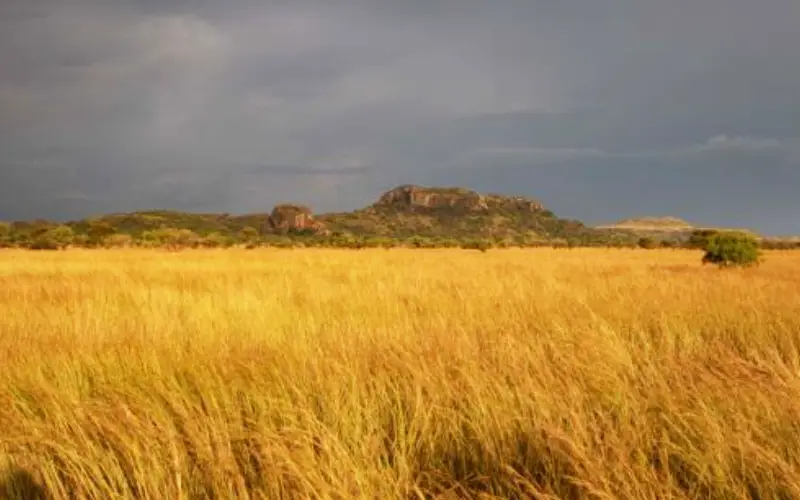
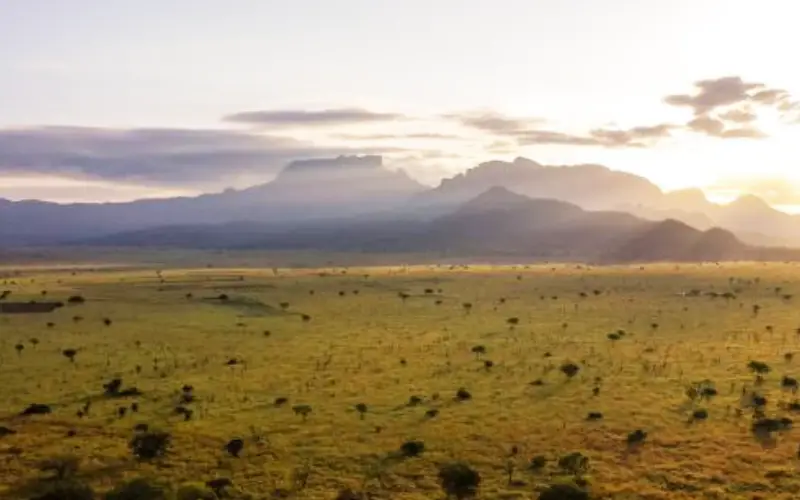
Photo Gallery of Pian Upe Wildlife Reserve

Map of Pian Upe Wildlife Reserve

Photo Gallery of Pian Upe Wildlife Reserve

Main Park Map