

Nyungwe hosts 86 mammal species, but primates are the stars. Chimpanzees are a major draw, alongside 12 other species: olive baboons, L’Hoest’s monkeys, grey-cheeked mangabeys, Ruwenzori colobus monkeys, blue monkeys, and owl-faced monkeys.


Nyungwe National Park provides extraordinary wildlife encounters, with chimpanzee tracking as the pinnacle experience. The park’s Ruwenzori colobus monkeys, known for their unusually large troops of up to 600, are a rare and remarkable sight, exclusive to the Albertine Rift. Wildlife enthusiasts can also observe the elusive bushbuck and the readily visible black-fronted duiker along the park’s trails and roadways.
For the most rewarding chimpanzee trekking experience in Nyungwe National Park, the dry season (June to September) offers ideal conditions. During this period, fruiting fig trees attract chimpanzees, leading to extended morning feeding sessions. Additionally, trails are more accessible, and activities are less likely to be affected by heavy rainfall.

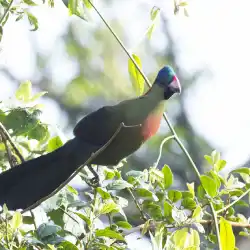
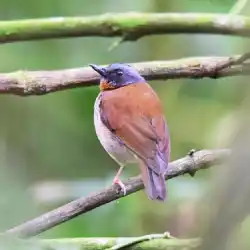
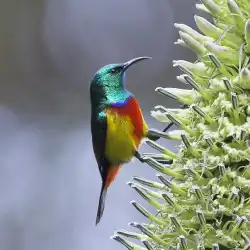
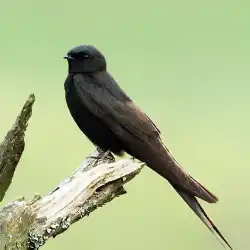
Nyungwe National Park offers exceptional birding opportunities year-round. However, for optimal listening, the period from March to May is ideal, as birds are most vocal during this time. From June to September, bird activity decreases as they focus on feeding their young, with vocalizations resuming in January or February. Be aware that April is the park’s wettest month, potentially making trails slippery and challenging for birding excursions.
450+
Nov to Apr


Nyungwe National Park’s climate is characterized by consistent rainfall. Visitors should pack waterproof clothing and hiking shoes, along with warm layers for the cool, damp evenings. Although rain can occur throughout the year.
June, July, and August offer the driest conditions, providing optimal hiking experiences on less slippery trails. Daytime temperatures average 19°C (66°F), while nighttime temperatures average 11°C (52°F).
In September, rainfall gradually increases, though temperatures remain relatively stable.
Nyungwe National Park experiences frequent rainfall, particularly in the afternoons. While occasional sunshine breaks through the clouds, overcast conditions are common. Visitors should pack ample warm and waterproof clothing.
October, November, December, January & February see significant rainfall, with November being a peak month. Daytime temperatures average 20°C (68°F), varying slightly with altitude, while nights cool to around 11°C (52°F).
March, April & May bring increasing rainfall, peaking in April. Hiking trails can become particularly slippery during March and April. Temperatures remain consistent throughout this period.
Most travelers arrive in Rwanda via Kigali International Airport (KGL), which is near the capital city. Nyungwe National Park is located in southern Rwanda, with road distances of 220 kilometers (137 miles) from Kigali, 100 kilometers (62 miles) from Butare (Huye), and 55 kilometers (34 miles) from Cyangugu (Rusizi). Road travel to the park typically takes 5 to 6 hours from Kigali, 2 to 3 hours from Butare, or 1.5 hours from Cyangugu, respecting Rwanda’s national speed limit of 60 kilometers per hour.
Many visitors explore the park as part of a comprehensive 4×4 tour with a driver-guide.
For expedited travel, RwandAir offers a daily flight from Kigali to Kamembe Airport, near Cyangugu, followed by a 1-hour road transfer. Alternatively,
Akagera Aviation provides charter helicopter flights to Nyungwe and other Rwandan locations.
Traveling from the to Rwanda is most easily accomplished by flying with RwandAir. Other airline options include British Airways, Kenya Airways, and South African Airways.
To reach Nyungwe National Park from Kigali, travelers can choose between two airline options: RwandAir offers daily flights to Kamembe Airport followed by a one-hour road transfer, or Akagera Aviation provides charter helicopter flights directly to the park.
Please check our Getting There – Rwanda page to learn more about passport, visa and other entry requirements.
Nyungwe National Park provides a secure environment for visitors, with all activities and hikes led by professional park rangers. The most likely safety concern is the potential for slippery trails, making appropriate footwear crucial.
For the most up-to-date safety details on Nyungwe and Rwanda, please refer to official government travel advisories.
Due to its high altitude, Nyungwe National Park presents a minimal risk of malaria. However, if your travel plans include other regions of Rwanda, it’s recommended to take precautions against malaria and ensure you have the necessary vaccinations. Malaria prevention measures include antimalarial medication and the use of insect repellent with DEET. Consult your travel health provider for personalized recommendations.
To ensure a safe and enjoyable chimpanzee trekking experience in Nyungwe National Park, a detailed safety briefing is provided before each trek. It is essential to pay close attention to the instructions given and to follow your guide’s directions while observing the chimpanzees, including maintaining a respectful distance. For comprehensive safety guidelines, please refer to our Chimp Trekking Safety Precautions.
Nyungwe hosts 86 mammal species, but primates are the stars. Chimpanzees are a major draw, alongside 12 other species: olive baboons, L’Hoest’s monkeys, grey-cheeked mangabeys, Ruwenzori colobus monkeys, blue monkeys, and owl-faced monkeys.
Nyungwe National Park provides extraordinary wildlife encounters, with chimpanzee tracking as the pinnacle experience. The park’s Ruwenzori colobus monkeys, known for their unusually large troops of up to 600, are a rare and remarkable sight, exclusive to the Albertine Rift. Wildlife enthusiasts can also observe the elusive bushbuck and the readily visible black-fronted duiker along the park’s trails and roadways.
For the most rewarding chimpanzee trekking experience in Nyungwe National Park, the dry season (June to September) offers ideal conditions. During this period, fruiting fig trees attract chimpanzees, leading to extended morning feeding sessions. Additionally, trails are more accessible, and activities are less likely to be affected by heavy rainfall.
Nyungwe National Park offers exceptional birding opportunities year-round. However, for optimal listening, the period from March to May is ideal, as birds are most vocal during this time. From June to September, bird activity decreases as they focus on feeding their young, with vocalizations resuming in January or February. Be aware that April is the park’s wettest month, potentially making trails slippery and challenging for birding excursions.
450+
Nov to Apr
Nyungwe National Park’s climate is characterized by consistent rainfall. Visitors should pack waterproof clothing and hiking shoes, along with warm layers for the cool, damp evenings. Although rain can occur throughout the year.
June, July, and August offer the driest conditions, providing optimal hiking experiences on less slippery trails. Daytime temperatures average 19°C (66°F), while nighttime temperatures average 11°C (52°F).
In September, rainfall gradually increases, though temperatures remain relatively stable.
Nyungwe National Park experiences frequent rainfall, particularly in the afternoons. While occasional sunshine breaks through the clouds, overcast conditions are common. Visitors should pack ample warm and waterproof clothing.
October, November, December, January & February see significant rainfall, with November being a peak month. Daytime temperatures average 20°C (68°F), varying slightly with altitude, while nights cool to around 11°C (52°F).
March, April & May bring increasing rainfall, peaking in April. Hiking trails can become particularly slippery during March and April. Temperatures remain consistent throughout this period.
Most travelers arrive in Rwanda via Kigali International Airport (KGL), which is near the capital city. Nyungwe National Park is located in southern Rwanda, with road distances of 220 kilometers (137 miles) from Kigali, 100 kilometers (62 miles) from Butare (Huye), and 55 kilometers (34 miles) from Cyangugu (Rusizi). Road travel to the park typically takes 5 to 6 hours from Kigali, 2 to 3 hours from Butare, or 1.5 hours from Cyangugu, respecting Rwanda’s national speed limit of 60 kilometers per hour.
Many visitors explore the park as part of a comprehensive 4×4 tour with a driver-guide.
For expedited travel, RwandAir offers a daily flight from Kigali to Kamembe Airport, near Cyangugu, followed by a 1-hour road transfer. Alternatively,
Akagera Aviation provides charter helicopter flights to Nyungwe and other Rwandan locations.
Traveling from the to Rwanda is most easily accomplished by flying with RwandAir. Other airline options include British Airways, Kenya Airways, and South African Airways.
To reach Nyungwe National Park from Kigali, travelers can choose between two airline options: RwandAir offers daily flights to Kamembe Airport followed by a one-hour road transfer, or Akagera Aviation provides charter helicopter flights directly to the park.
Please check our Getting There – Rwanda page to learn more about passport, visa and other entry requirements.
Nyungwe National Park provides a secure environment for visitors, with all activities and hikes led by professional park rangers. The most likely safety concern is the potential for slippery trails, making appropriate footwear crucial.
For the most up-to-date safety details on Nyungwe and Rwanda, please refer to official government travel advisories.
Due to its high altitude, Nyungwe National Park presents a minimal risk of malaria. However, if your travel plans include other regions of Rwanda, it’s recommended to take precautions against malaria and ensure you have the necessary vaccinations. Malaria prevention measures include antimalarial medication and the use of insect repellent with DEET. Consult your travel health provider for personalized recommendations.
To ensure a safe and enjoyable chimpanzee trekking experience in Nyungwe National Park, a detailed safety briefing is provided before each trek. It is essential to pay close attention to the instructions given and to follow your guide’s directions while observing the chimpanzees, including maintaining a respectful distance. For comprehensive safety guidelines, please refer to our Chimp Trekking Safety Precautions.
Embarking on an African safari promises an adventure of a lifetime, showcasing the continent’s rich wildlife, breathtaking landscapes, and diverse cultures. While safaris are widely considered safe, especially those organized through reputable tour operators, it’s prudent to take certain precautions to ensure a smooth and secure experience. Here are some essential safety tips to consider:
Traveling through Africa offers an enriching experience filled with breathtaking landscapes, diverse cultures, and unparalleled wildlife encounters. While it’s generally safe, especially on organized tours or safaris, navigating urban environments requires a bit of savvy to ensure your trip remains worry-free. Here are some straightforward tips to keep in mind, whether you’re exploring bustling metropolises or serene landscapes:
Exploring the wild through a safari adventure is an exhilarating experience that brings you closer to nature’s most fascinating wildlife. Whether you opt for a guided tour with an experienced professional or decide to navigate the trails on a self-drive journey, safety is paramount to ensure an enjoyable and incident-free adventure. Here are some essential safety guidelines and tips to help you navigate your safari safely: