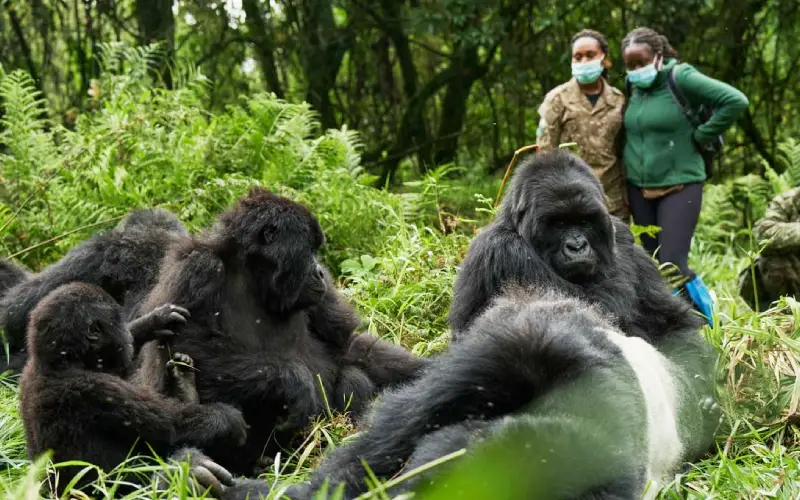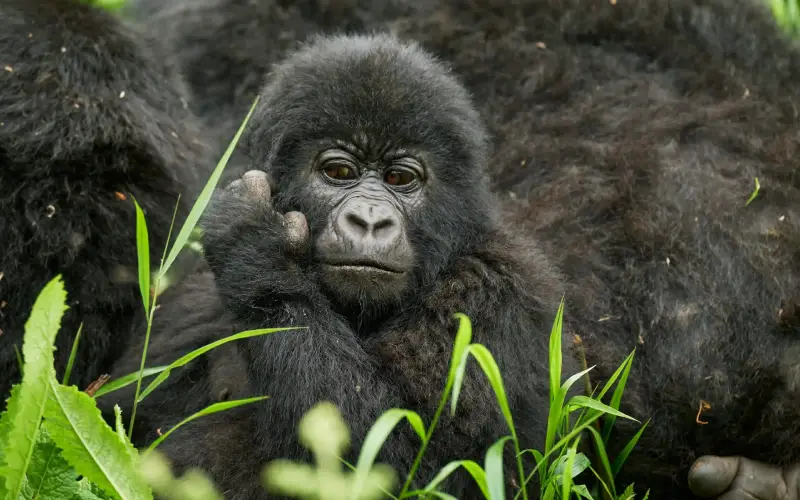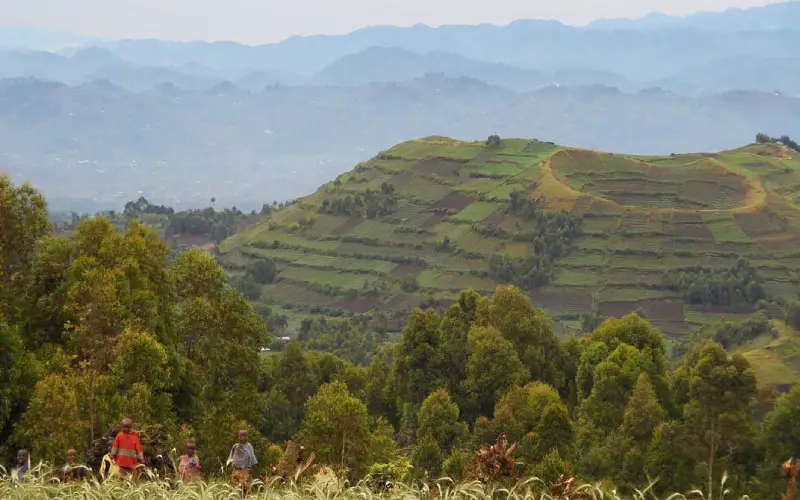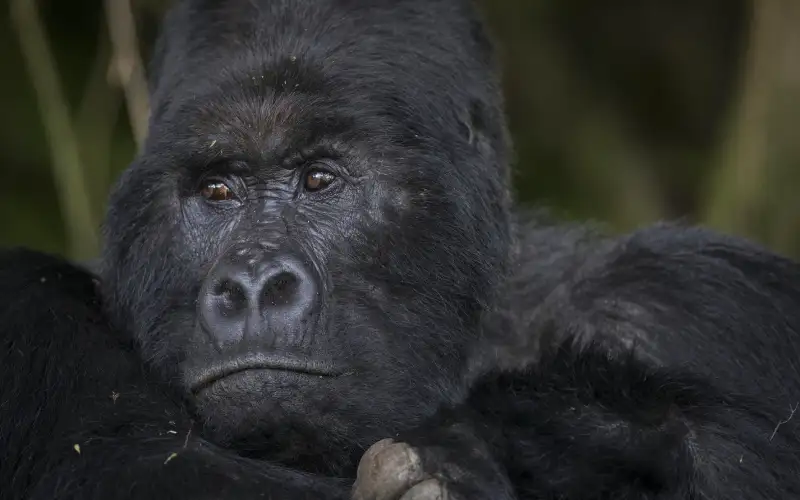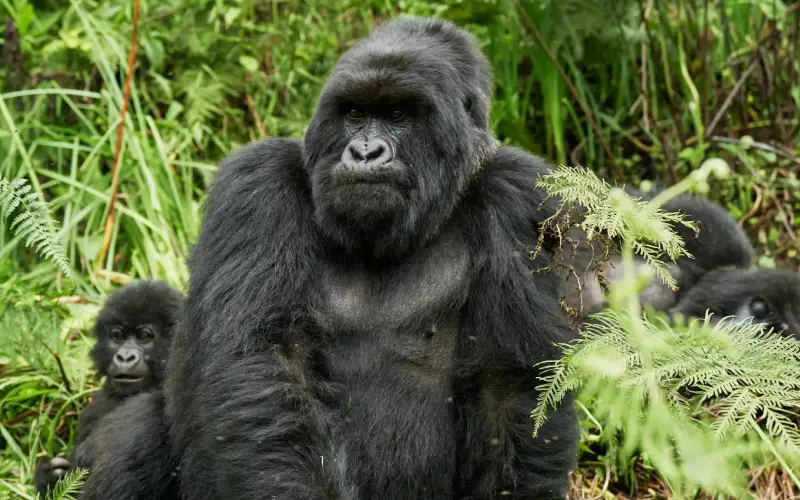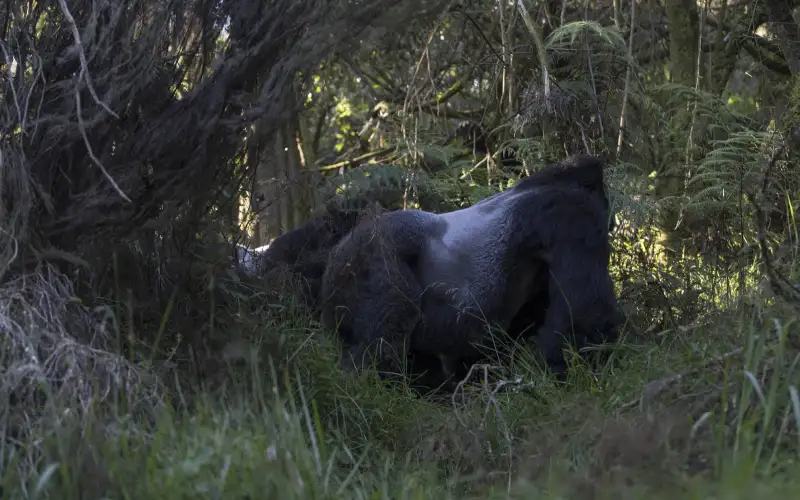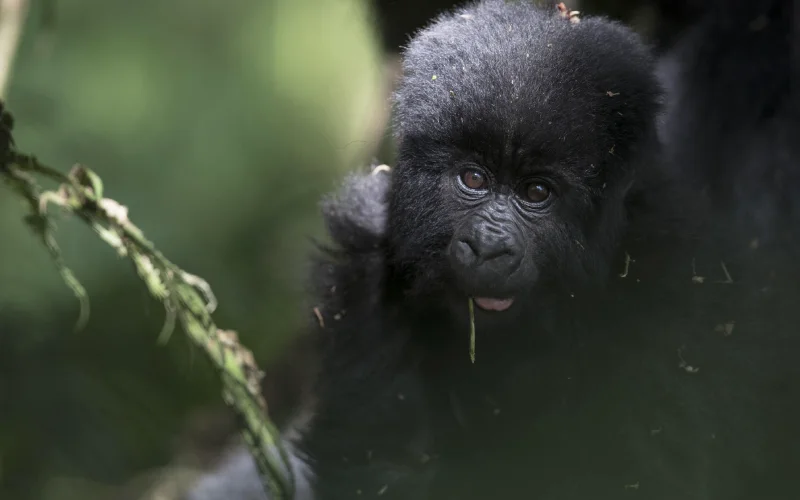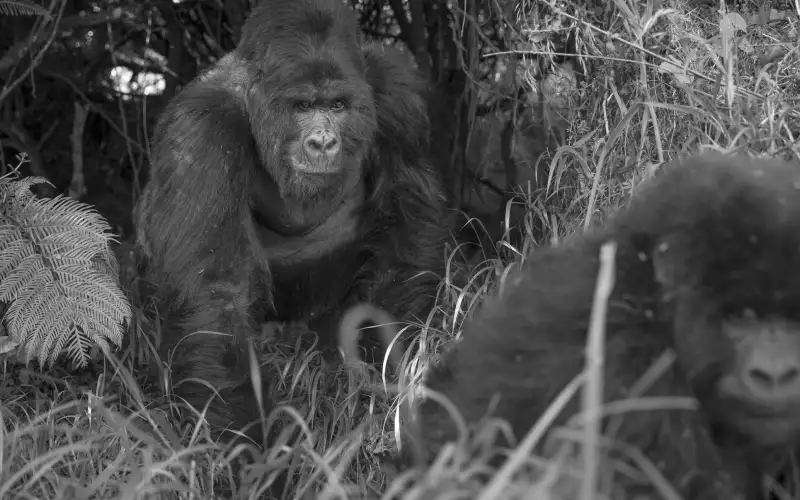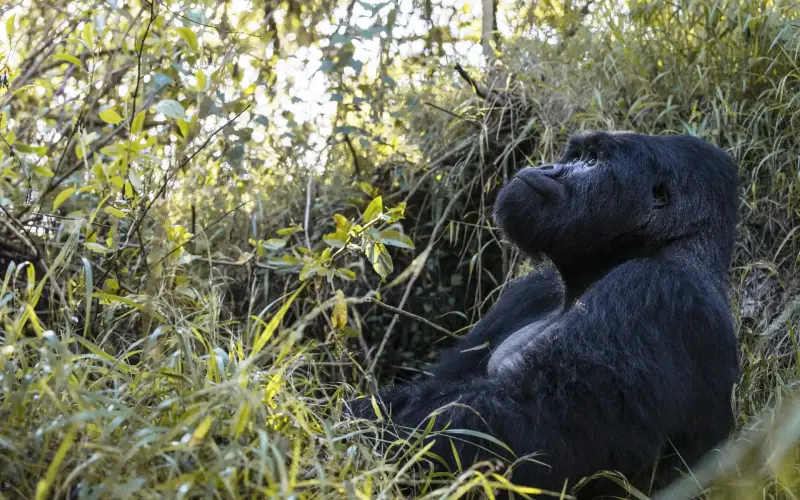


Mgahinga Gorilla National Park stands out as an exclusive alternative to Bwindi Impenetrable National Park for unforgettable gorilla trekking experiences. Home to a single habituated group of mountain gorillas, the park offers a rare level of intimacy, with only eight permits available each day—ensuring a truly personal and uncrowded encounter.
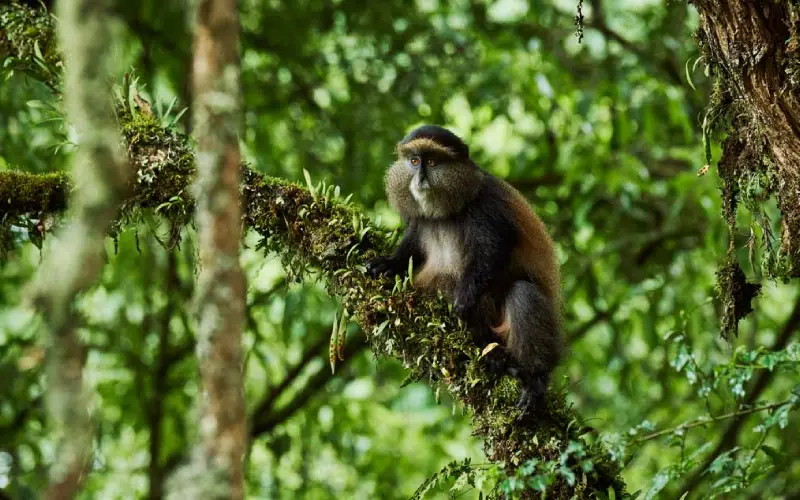
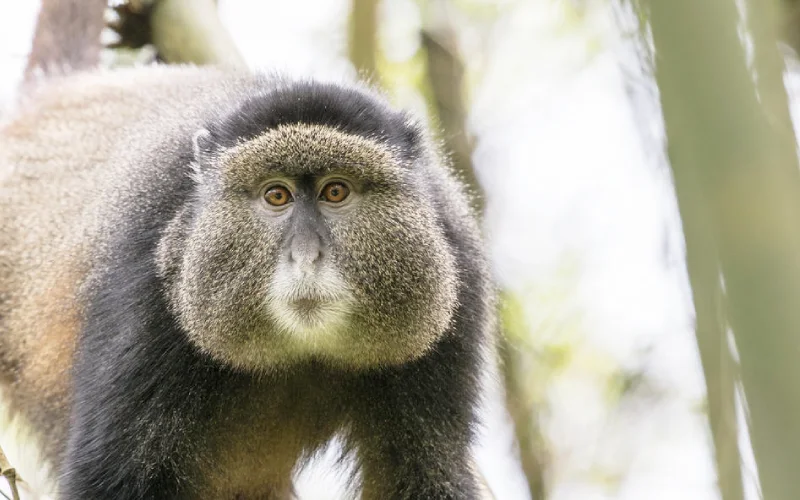
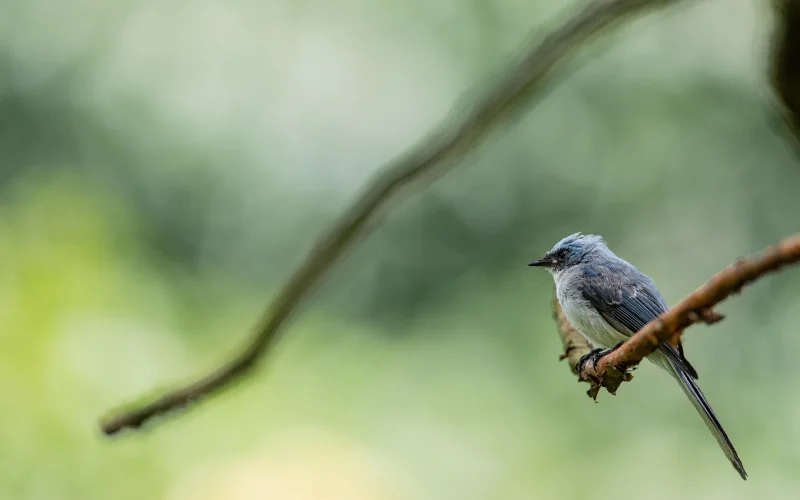
Beyond gorilla trekking, Mgahinga rewards visitors with excellent birdwatching opportunities and the chance to track the striking golden monkey, a rare Albertine Rift endemic closely associated with the park’s bamboo forests. This combination of exclusivity, biodiversity, and scenic beauty makes Mgahinga a uniquely rewarding destination.


The habituated Nyakagezi mountain gorilla group is unique for including three sibling silverbacks, offering visitors a rare and memorable wildlife encounter. While two other gorilla groups roam the borderlands between Mgahinga, Rwanda, and the Democratic Republic of Congo, only Nyakagezi is accessible for tracking.
Mgahinga also features one habituated golden monkey troop of 80–100 individuals, with two additional troops currently undergoing habituation. Wildlife enthusiasts may occasionally spot bushbuck and buffalo, while more elusive species such as golden cat, side-striped jackal, giant forest hog, bushpig, and elephant add an element of mystery to the park’s rich biodiversity.
The dry seasons, from June to August and December to January, offer the best conditions for gorilla trekking in Mgahinga, with trails easier to navigate and photography opportunities at their finest. The park remains open year-round, but heavy rains can make trekking more challenging and limit time with the gorillas.
For those seeking a gorilla permit on short notice, the wet seasons—February to May and September to November—often provide the best chance, making them a practical option for flexible travelers willing to embrace the occasional muddy trail.
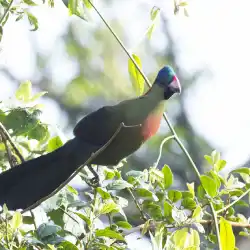
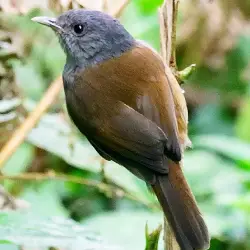
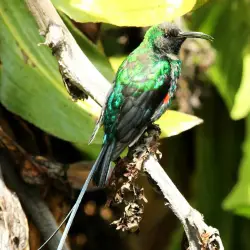
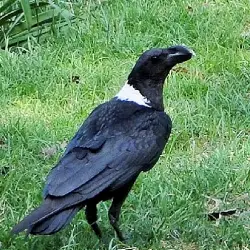
Birdwatching in Mgahinga Gorilla National Park is rewarding year-round, with peak activity from April to mid-May and from October to November. The driest months, June and July, offer easier access to trails and birding sites.
Heavy rains from March to mid-May can make roads muddy and trails slippery, potentially limiting time in the field. The main nesting season occurs in May and June, while abundant food from late May through September ensures active and healthy bird populations. Although migratory species are present between November and April, they are generally of less interest to dedicated birders.
450+
Nov to Apr


June, July & August – These months are generally the driest of the year, though occasional rain is still possible. This period offers excellent conditions for gorilla trekking. Daytime temperatures average around 17°C (63°F), dropping to approximately 9°C (48°F) at night.
December & January – Rainfall is lower than during the wet seasons but higher than in June through August. Daytime temperatures average 18°C (64°F), with variations depending on altitude.
February, March, April & May – Rainfall reaches its peak in April, making access to Mgahinga challenging. A 4WD vehicle is essential, and hiking wet forest trails can be difficult. The park is often shrouded in mist, and heavy storms are not uncommon during this period.
September, October & November – Conditions are similar to the earlier wet season. Average daytime temperatures reach around 17°C (63°F), dropping to approximately 9°C (48°F) at night, with trails remaining damp and slippery at times.
The gateway town to Mgahinga Gorilla National Park is Kisoro, located approximately 500km (300 miles) southwest of the capital, Kampala, and near Entebbe. The journey by road follows a well-surfaced route and typically takes around 9 hours. For a more relaxed travel experience, the trip can be conveniently broken with a stopover at Lake Mburo National Park, situated roughly halfway.
The park’s main access point, Ntebeko Gate, lies about 14km (9 miles) from Kisoro. The drive follows a steep and rugged road, taking up to one hour depending on conditions. Gorilla trekking excursions may also depart from Muhabura Gate, located approximately 10km (6 miles) from Kisoro along a similarly rough route. A high-clearance 4WD vehicle is strongly recommended for both access points. Visitors are advised to confirm their trekking departure gate at the park office in Kisoro prior to their excursion.
International travelers typically arrive via Entebbe International Airport, located about 46km (29 miles) from Kampala. For added convenience, scheduled domestic flights operate daily between Entebbe and Kisoro, offering a faster and more comfortable alternative to the overland journey.
To book your flight to Entebbe International Airport (EBB), check travel sites such as Skyscanner and alaso visit airline websites directly. These sources will show available flights, schedules, and current ticket prices.
Bush 2 City Adventure Consultants will arrange all domestic flights as part of your safari package, ensuring a seamless and stress-free travel experience. Scheduled daily morning flights to Kisoro are operated by AeroLink Uganda, offering a convenient and time-saving connection to the region.
Please check our How To Get to Uganda page to learn more about passport, visa and other entry requirements.
Mgahinga Gorilla National Park is widely regarded as a safe and secure destination for visitors. Incidents of crime within Uganda’s national parks and reserves are extremely rare, and your experienced guide will always prioritize your safety throughout the journey.
For the most current travel safety information, we recommend consulting official government advisories for Uganda prior to your trip.
While Mgahinga Gorilla National Park lies at a high altitude where the risk of Malaria is minimal, travelers typically pass through lower-lying regions of Uganda where the risk is higher. For this reason, taking appropriate antimalarial medication is strongly recommended.
Additional precautions—such as using insect repellent containing DEET and wearing long sleeves and trousers in the evening—can further reduce the risk of mosquito bites. It is advisable to consult your doctor or a travel health clinic prior to departure for personalized guidance on malaria prevention and recommended vaccinations.
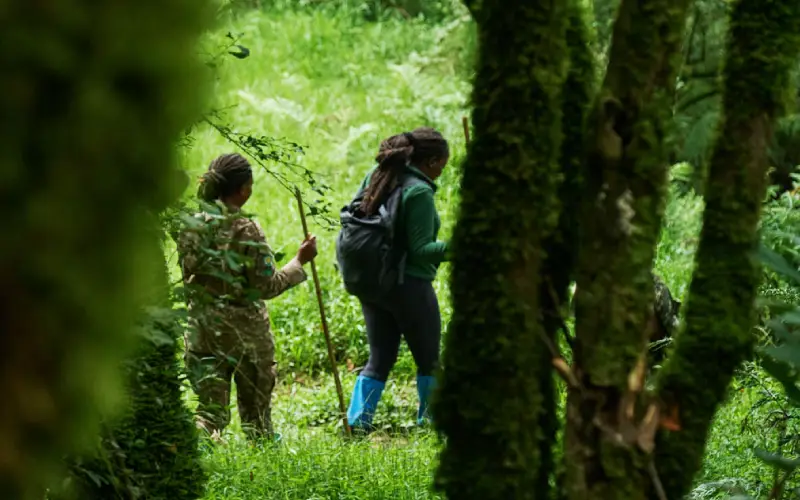
Gorilla trekking is considered a safe and well-managed activity when conducted in accordance with your guide’s instructions. The mountain gorillas of Mgahinga Gorilla National Park are often described as “gentle giants,” and incidents involving visitors are extremely rare.
To ensure a safe and respectful experience, we strongly encourage all travelers to review the Gorilla Trekking Safety Precautions outlined below prior to their excursion.
Mgahinga Gorilla National Park stands out as an exclusive alternative to Bwindi Impenetrable National Park for unforgettable gorilla trekking experiences. Home to a single habituated group of mountain gorillas, the park offers a rare level of intimacy, with only eight permits available each day—ensuring a truly personal and uncrowded encounter.
Beyond gorilla trekking, Mgahinga rewards visitors with excellent birdwatching opportunities and the chance to track the striking golden monkey, a rare Albertine Rift endemic closely associated with the park’s bamboo forests. This combination of exclusivity, biodiversity, and scenic beauty makes Mgahinga a uniquely rewarding destination.
The habituated Nyakagezi mountain gorilla group is unique for including three sibling silverbacks, offering visitors a rare and memorable wildlife encounter. While two other gorilla groups roam the borderlands between Mgahinga, Rwanda, and the Democratic Republic of Congo, only Nyakagezi is accessible for tracking.
Mgahinga also features one habituated golden monkey troop of 80–100 individuals, with two additional troops currently undergoing habituation. Wildlife enthusiasts may occasionally spot bushbuck and buffalo, while more elusive species such as golden cat, side-striped jackal, giant forest hog, bushpig, and elephant add an element of mystery to the park’s rich biodiversity.
The dry seasons, from June to August and December to January, offer the best conditions for gorilla trekking in Mgahinga, with trails easier to navigate and photography opportunities at their finest. The park remains open year-round, but heavy rains can make trekking more challenging and limit time with the gorillas.
For those seeking a gorilla permit on short notice, the wet seasons—February to May and September to November—often provide the best chance, making them a practical option for flexible travelers willing to embrace the occasional muddy trail.
Birdwatching in Mgahinga Gorilla National Park is rewarding year-round, with peak activity from April to mid-May and from October to November. The driest months, June and July, offer easier access to trails and birding sites.
Heavy rains from March to mid-May can make roads muddy and trails slippery, potentially limiting time in the field. The main nesting season occurs in May and June, while abundant food from late May through September ensures active and healthy bird populations. Although migratory species are present between November and April, they are generally of less interest to dedicated birders.
450+
Nov to Apr
June, July & August – These months are generally the driest of the year, though occasional rain is still possible. This period offers excellent conditions for gorilla trekking. Daytime temperatures average around 17°C (63°F), dropping to approximately 9°C (48°F) at night.
December & January – Rainfall is lower than during the wet seasons but higher than in June through August. Daytime temperatures average 18°C (64°F), with variations depending on altitude.
February, March, April & May – Rainfall reaches its peak in April, making access to Mgahinga challenging. A 4WD vehicle is essential, and hiking wet forest trails can be difficult. The park is often shrouded in mist, and heavy storms are not uncommon during this period.
September, October & November – Conditions are similar to the earlier wet season. Average daytime temperatures reach around 17°C (63°F), dropping to approximately 9°C (48°F) at night, with trails remaining damp and slippery at times.
The gateway town to Mgahinga Gorilla National Park is Kisoro, located approximately 500km (300 miles) southwest of the capital, Kampala, and near Entebbe. The journey by road follows a well-surfaced route and typically takes around 9 hours. For a more relaxed travel experience, the trip can be conveniently broken with a stopover at Lake Mburo National Park, situated roughly halfway.
The park’s main access point, Ntebeko Gate, lies about 14km (9 miles) from Kisoro. The drive follows a steep and rugged road, taking up to one hour depending on conditions. Gorilla trekking excursions may also depart from Muhabura Gate, located approximately 10km (6 miles) from Kisoro along a similarly rough route. A high-clearance 4WD vehicle is strongly recommended for both access points. Visitors are advised to confirm their trekking departure gate at the park office in Kisoro prior to their excursion.
International travelers typically arrive via Entebbe International Airport, located about 46km (29 miles) from Kampala. For added convenience, scheduled domestic flights operate daily between Entebbe and Kisoro, offering a faster and more comfortable alternative to the overland journey.
To book your flight to Entebbe International Airport (EBB), check travel sites such as Skyscanner and alaso visit airline websites directly. These sources will show available flights, schedules, and current ticket prices.
Bush 2 City Adventure Consultants will arrange all domestic flights as part of your safari package, ensuring a seamless and stress-free travel experience. Scheduled daily morning flights to Kisoro are operated by AeroLink Uganda, offering a convenient and time-saving connection to the region.
Please check our How To Get to Uganda page to learn more about passport, visa and other entry requirements.
Mgahinga Gorilla National Park is widely regarded as a safe and secure destination for visitors. Incidents of crime within Uganda’s national parks and reserves are extremely rare, and your experienced guide will always prioritize your safety throughout the journey.
For the most current travel safety information, we recommend consulting official government advisories for Uganda prior to your trip.
While Mgahinga Gorilla National Park lies at a high altitude where the risk of Malaria is minimal, travelers typically pass through lower-lying regions of Uganda where the risk is higher. For this reason, taking appropriate antimalarial medication is strongly recommended.
Additional precautions—such as using insect repellent containing DEET and wearing long sleeves and trousers in the evening—can further reduce the risk of mosquito bites. It is advisable to consult your doctor or a travel health clinic prior to departure for personalized guidance on malaria prevention and recommended vaccinations.
Gorilla trekking is considered a safe and well-managed activity when conducted in accordance with your guide’s instructions. The mountain gorillas of Mgahinga Gorilla National Park are often described as “gentle giants,” and incidents involving visitors are extremely rare.
To ensure a safe and respectful experience, we strongly encourage all travelers to review the Gorilla Trekking Safety Precautions outlined below prior to their excursion.
Embarking on an African safari promises an adventure of a lifetime, showcasing the continent’s rich wildlife, breathtaking landscapes, and diverse cultures. While safaris are widely considered safe, especially those organized through reputable tour operators, it’s prudent to take certain precautions to ensure a smooth and secure experience. Here are some essential safety tips to consider:
Traveling through Africa offers an enriching experience filled with breathtaking landscapes, diverse cultures, and unparalleled wildlife encounters. While it’s generally safe, especially on organized tours or safaris, navigating urban environments requires a bit of savvy to ensure your trip remains worry-free. Here are some straightforward tips to keep in mind, whether you’re exploring bustling metropolises or serene landscapes:
Exploring the wild through a safari adventure is an exhilarating experience that brings you closer to nature’s most fascinating wildlife. Whether you opt for a guided tour with an experienced professional or decide to navigate the trails on a self-drive journey, safety is paramount to ensure an enjoyable and incident-free adventure. Here are some essential safety guidelines and tips to help you navigate your safari safely: