You are here:

Mabamba Swamp

Mabamba Swamp

Overview

Wildlife

Birds

Best Time To Visit

Weather & Climate

Getting There

Malaria & Safety

Accommodations

Overview – Mabamba Swamp
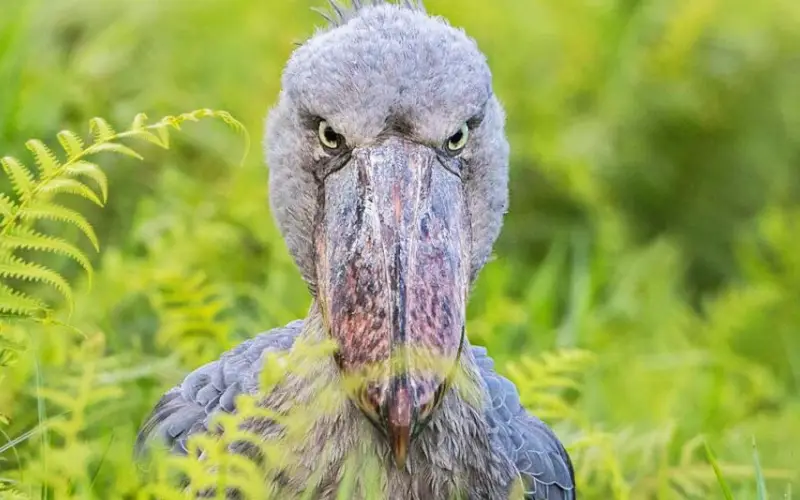
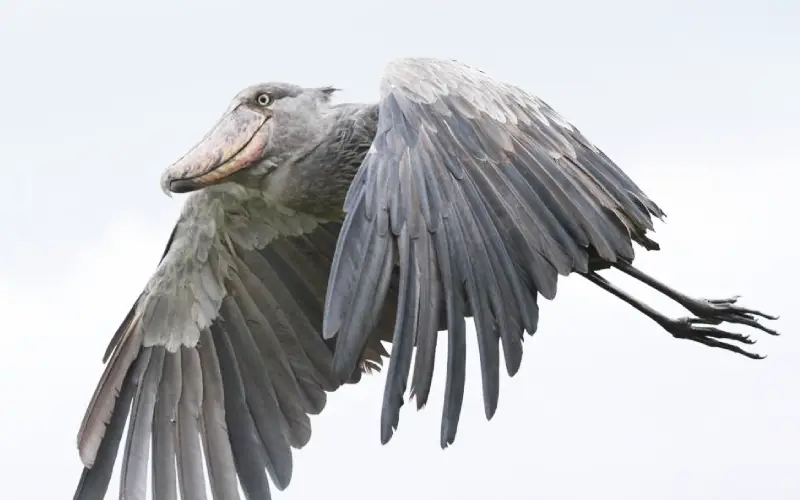
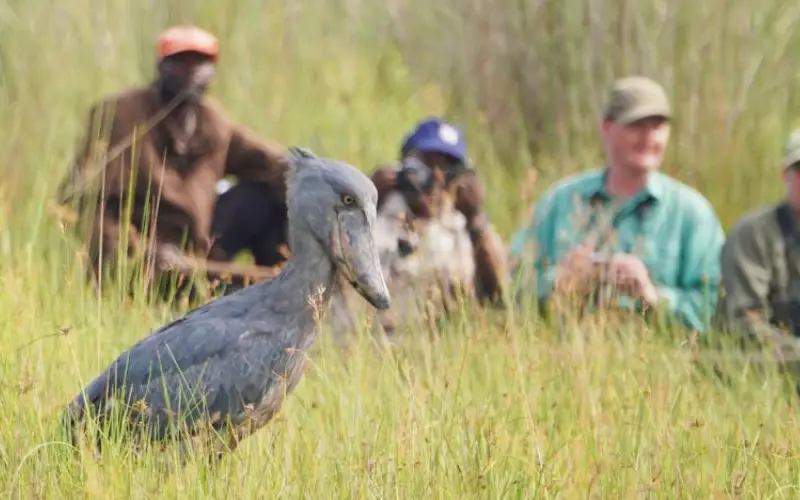
Mabamba Swamp is among the most dependable locations in Uganda—and indeed in accessible parts of Africa—for observing the iconic shoebill. Designated as a Ramsar Wetland, it lies along the northern shore of Lake Victoria and benefits from informal protection through a community-led ecotourism initiative. While shoebills are the main attraction, visitors often encounter around 50 other bird species during their visit.
mabamba - bush2cit (1)
Best Time To Go
August to September and December to February (Best for spotting shoebill)
High Season
June to September (Peak time for Uganda)
Size
24km² / 9mi²
Altitude
1,133-1,183m / 3,717-3,881ft
Pros & Cons
Scenic boat excursions through a lush tropical swamp
High likelihood of close-up encounters with shoebills
Rich diversity of other waterbirds to observe
Occasional sightings of the elusive sitatunga antelope
Affordable fees support community-based conservation initiatives
Conveniently located near Entebbe International Airport (EBB)
Ideal overnight option for wildlife enthusiasts seeking an alternative to Kampala or nearby Entebbe
Does not feature the Big Five or other traditional safari wildlife
Shoebill sightings, while likely, cannot be guaranteed despite the guides’ expertise
Wildlife
Mabamba Swamp is primarily a bird-watching haven, with over 300 species recorded, many of them captivating wetland specialists. Beyond the iconic shoebill, visitors may spot African pygmy goose, African jacana, blue-headed coucal, long-toed lapwing, blue-cheeked bee-eater, and water-associated raptors such as the African fish eagle, palm-nut vulture, and osprey. Large mammals are rare, though fortunate guests may glimpse the elusive sitatunga, a swamp-dwelling antelope found locally.
Scenery
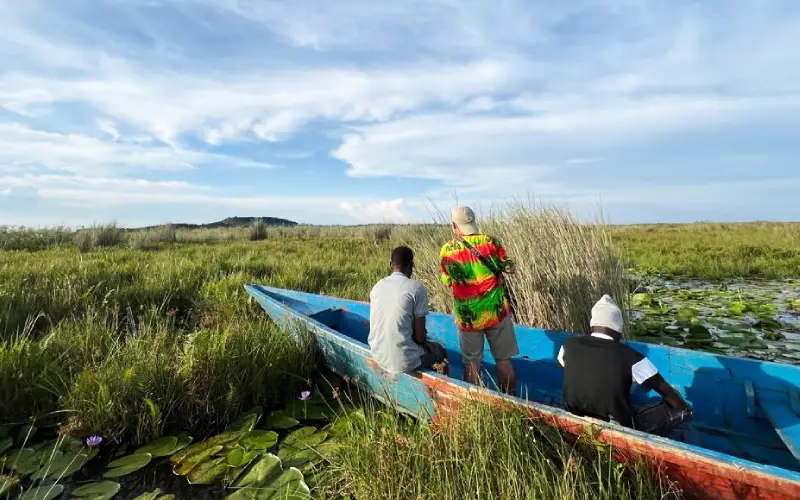
Mabamba Swamp is a strikingly atmospheric wetland. Dense papyrus stands are interlaced with a network of channels adorned with water-lily pads in shades of blue, pink, and white. The swamp is bordered by riparian forest and opens onto the expansive Lake Victoria, Africa’s largest freshwater lake and the second-largest in the world.
Activities
The most rewarding way to experience Mabamba Swamp is on a guided boat tour run through the community-based tourism program. Trips typically combine motoring across open water with poling through the shallows. Local guides are highly skilled at spotting shoebills and identifying the swamp’s diverse birdlife. Visitors can book an all-inclusive tour from Entebbe or Kampala
Weather & Climate
The area around point_of_interest”,”Mabamba Swamp”,”Uganda”], situated near the equator on the shores of Lake Victoria, enjoys a warm climate throughout the year, with rainfall possible at any time. There are two relatively dry periods—from December to February and from June to August—while April and May are typically the wettest months. For further details, see:
Best Time To Visit
Mabamba Swamp can be visited year-round, though the best months are August to September and December to February. During the shoebill nesting season in June and July, the birds tend to remain deeper in the swamp, making sightings more challenging. The likelihood of rain and stormy conditions is higher from March to May and October to November.
Want To Visit Mabamba Swamp
No data was found
​Wildlife & Animals – Mabamba Swamp
No data was found
Wildlife Highlights
Best Time for Wildlife Viewing
Want To Visit Mabamba Swamp
No data was found
Wildlife Photos
​Birds – Mabamba Swamp
Mabamba Swamp, located close to Entebbe International Airport (EBB), is an ideal introduction to Uganda’s rich birdlife. Visitors can spot a variety of waterbirds, from the striking purple swamphen and delicate African jacana to the impressive goliath heron and majestic African fish eagle. Parrots, hornbills, turacos, and raptors soar overhead, while colorful weavers and widowbirds nest among the reeds. With a bit of luck, you may also encounter the legendary shoebill, a unique swamp-dweller highly sought after by avid bird-watchers.

Notable Birds in Mabamba Swamp

African jacana
Common
African pygmy goose
Common
Best Time for Bird Watching

Mabamba Swamp is a rewarding destination at any time of year. Birdlife is abundant year-round, and sightings of the iconic shoebill are consistently possible. The most favorable months to visit are August to September and December to February. During the shoebill nesting season in June and July, the birds tend to remain deeper within the swamp, making them less visible. The wettest periods—March to May and October to November—can increase the likelihood of rain affecting your excursion.

Want To Visit Mabamba Swamp
No data was found
Facts & Figures

Bird Species

450+

Migratory Birds

Nov to Apr

Best Time To Visit – Mabamba Swamp

Jan

Feb

Mar

Apr

May

Jun

Jul

Aug

Sep

Oct

Nov

Dec

No data was found
No data was found
No data was found
Want To Visit Mabamba Swamp
No data was found
Wildlife Photos
Weather & Climate – Mabamba Swamp
Want To Visit Mabamba Swamp
No data was found
Mabamba Swamp
Mabamba Swamp Photos
mabamba - bush2cit (1)
​Getting There – Mabamba Swamp

Mabamba Swamp is located just over 10 km (6 mi) east of Entebbe International Airport (EBB) “as the crow flies.” The fastest way to reach the swamp is via an organized motorboat tour. Driving is also possible, but the 50 km (30 mi) route through Kisubi, much of it unpaved, can take around 90 minutes*. While a more direct route via the Nakiwogo–Sazi car ferry exists, it is often subject to long delays.

*Driving times are only a rough indication. You should always consider the possibility of significant delays.
Main Park Map
Airlines & Ticket Prices
No data was found
Domestic Flights
No data was found
Passport, Visa & Other Entry Requirements
Want To Visit Mabamba Swamp
No data was found
​Malaria & Safety – Mabamba Swamp
Malaria & Vaccinations
Want To Visit Mabamba Swamp
No data was found
Accommodations – Mabamba Swamp
Want To Visit Mabamba Swamp
No data was found
Overview – Mabamba Swamp
Mabamba Swamp is among the most dependable locations in Uganda—and indeed in accessible parts of Africa—for observing the iconic shoebill. Designated as a Ramsar Wetland, it lies along the northern shore of Lake Victoria and benefits from informal protection through a community-led ecotourism initiative. While shoebills are the main attraction, visitors often encounter around 50 other bird species during their visit.
mabamba - bush2cit (1)
Best Time To Go
August to September and December to February (Best for spotting shoebill)
High Season
June to September (Peak time for Uganda)
Size
24km² / 9mi²
Altitude
1,133-1,183m / 3,717-3,881ft
Pros & Cons
Scenic boat excursions through a lush tropical swamp
High likelihood of close-up encounters with shoebills
Rich diversity of other waterbirds to observe
Occasional sightings of the elusive sitatunga antelope
Affordable fees support community-based conservation initiatives
Conveniently located near Entebbe International Airport (EBB)
Ideal overnight option for wildlife enthusiasts seeking an alternative to Kampala or nearby Entebbe
Does not feature the Big Five or other traditional safari wildlife
Shoebill sightings, while likely, cannot be guaranteed despite the guides’ expertise
Wildlife
Mabamba Swamp is primarily a bird-watching haven, with over 300 species recorded, many of them captivating wetland specialists. Beyond the iconic shoebill, visitors may spot African pygmy goose, African jacana, blue-headed coucal, long-toed lapwing, blue-cheeked bee-eater, and water-associated raptors such as the African fish eagle, palm-nut vulture, and osprey. Large mammals are rare, though fortunate guests may glimpse the elusive sitatunga, a swamp-dwelling antelope found locally.
Scenery
Mabamba Swamp is a strikingly atmospheric wetland. Dense papyrus stands are interlaced with a network of channels adorned with water-lily pads in shades of blue, pink, and white. The swamp is bordered by riparian forest and opens onto the expansive Lake Victoria, Africa’s largest freshwater lake and the second-largest in the world.
Weather & Climate
The area around point_of_interest”,”Mabamba Swamp”,”Uganda”], situated near the equator on the shores of Lake Victoria, enjoys a warm climate throughout the year, with rainfall possible at any time. There are two relatively dry periods—from December to February and from June to August—while April and May are typically the wettest months. For further details, see:
Best Time To Visit
Mabamba Swamp can be visited year-round, though the best months are August to September and December to February. During the shoebill nesting season in June and July, the birds tend to remain deeper in the swamp, making sightings more challenging. The likelihood of rain and stormy conditions is higher from March to May and October to November.
Want To Visit Mabamba Swamp
No data was found
​Wildlife & Animals – Mabamba Swamp
No data was found
Wildlife Highlights
Best Time for Wildlife Viewing
Want To Visit Mabamba Swamp
No data was found
Wildlife Photos
​Birds – Mabamba Swamp
Mabamba Swamp, located close to Entebbe International Airport (EBB), is an ideal introduction to Uganda’s rich birdlife. Visitors can spot a variety of waterbirds, from the striking purple swamphen and delicate African jacana to the impressive goliath heron and majestic African fish eagle. Parrots, hornbills, turacos, and raptors soar overhead, while colorful weavers and widowbirds nest among the reeds. With a bit of luck, you may also encounter the legendary shoebill, a unique swamp-dweller highly sought after by avid bird-watchers.

Notable Birds in Mabamba Swamp

African jacana
Common
African pygmy goose
Common
Best Time for Bird Watching

Mabamba Swamp is a rewarding destination at any time of year. Birdlife is abundant year-round, and sightings of the iconic shoebill are consistently possible. The most favorable months to visit are August to September and December to February. During the shoebill nesting season in June and July, the birds tend to remain deeper within the swamp, making them less visible. The wettest periods—March to May and October to November—can increase the likelihood of rain affecting your excursion.

Want To Visit Mabamba Swamp
No data was found
Facts & Figures

Bird Species

450+

Migratory Birds

Nov to Apr

Best Time To Visit – Mabamba Swamp

Jan

Feb

Mar

Apr

May

Jun

Jul

Aug

Sep

Oct

Nov

Dec

No data was found
No data was found
No data was found
Want To Visit Mabamba Swamp
No data was found
Wildlife Photos
Weather & Climate – Mabamba Swamp
Want To Visit Mabamba Swamp
No data was found
Mabamba Swamp
Mabamba Swamp Photos
mabamba - bush2cit (1)
​Getting There – Mabamba Swamp

Mabamba Swamp is located just over 10 km (6 mi) east of Entebbe International Airport (EBB) “as the crow flies.” The fastest way to reach the swamp is via an organized motorboat tour. Driving is also possible, but the 50 km (30 mi) route through Kisubi, much of it unpaved, can take around 90 minutes*. While a more direct route via the Nakiwogo–Sazi car ferry exists, it is often subject to long delays.

*Driving times are only a rough indication. You should always consider the possibility of significant delays.
Main Park Map
Airlines & Ticket Prices
No data was found
Domestic Flights
No data was found
Passport, Visa & Other Entry Requirements
Want To Visit Mabamba Swamp
No data was found
​Malaria & Safety – Mabamba Swamp
Malaria & Vaccinations
Want To Visit Mabamba Swamp
No data was found

Explore Mabamba Swamp Safari Tours

No data was found

Book your Kilimanjaro trek

Our team is always here to help

General Travel Safety Precautions

Embarking on an African safari promises an adventure of a lifetime, showcasing the continent’s rich wildlife, breathtaking landscapes, and diverse cultures. While safaris are widely considered safe, especially those organized through reputable tour operators, it’s prudent to take certain precautions to ensure a smooth and secure experience. Here are some essential safety tips to consider:

Cities & Urban Areas: Safety Precautions

Traveling through Africa offers an enriching experience filled with breathtaking landscapes, diverse cultures, and unparalleled wildlife encounters. While it’s generally safe, especially on organized tours or safaris, navigating urban environments requires a bit of savvy to ensure your trip remains worry-free. Here are some straightforward tips to keep in mind, whether you’re exploring bustling metropolises or serene landscapes:

Wildlife Viewing Safety Precautions

Exploring the wild through a safari adventure is an exhilarating experience that brings you closer to nature’s most fascinating wildlife. Whether you opt for a guided tour with an experienced professional or decide to navigate the trails on a self-drive journey, safety is paramount to ensure an enjoyable and incident-free adventure. Here are some essential safety guidelines and tips to help you navigate your safari safely:
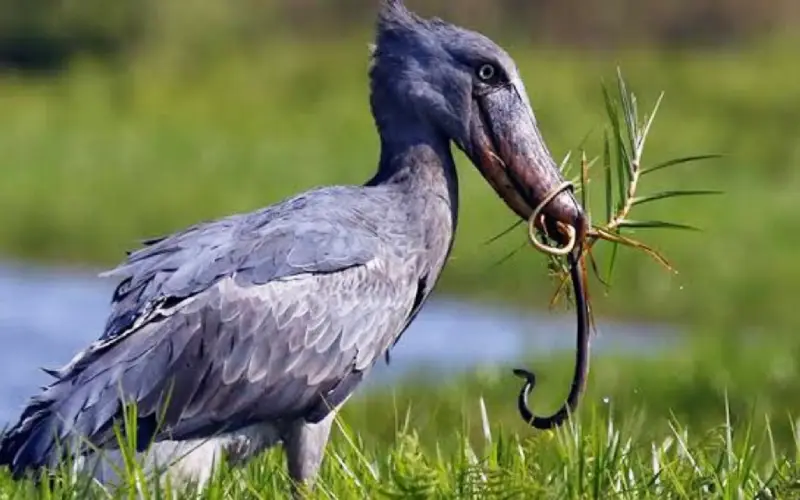
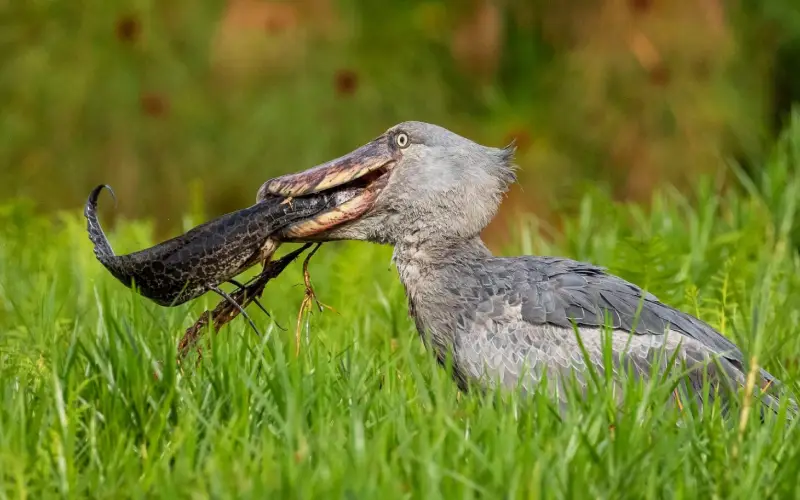
Photo Gallery of Mabamba Swamp

Map of Mabamba Swamp

Photo Gallery of Mabamba Swamp

Main Park Map

Photo Gallery of Mabamba Swamp

Map of Mabamba Swamp

Photo Gallery

Photo Gallery

Photo Gallery