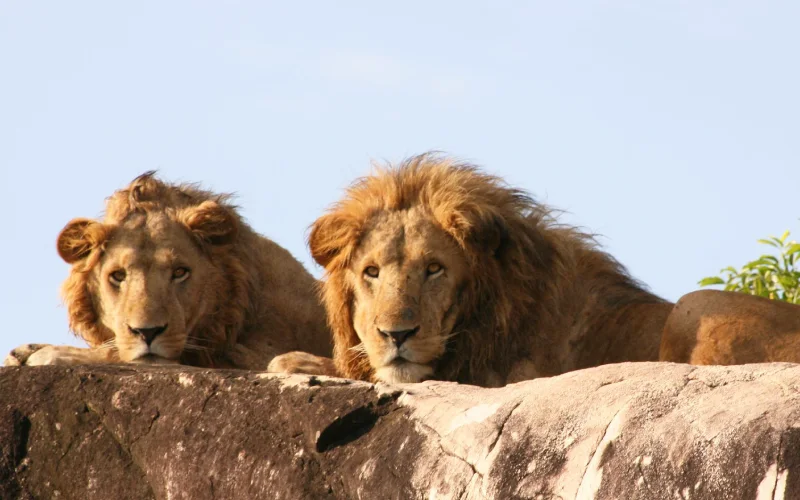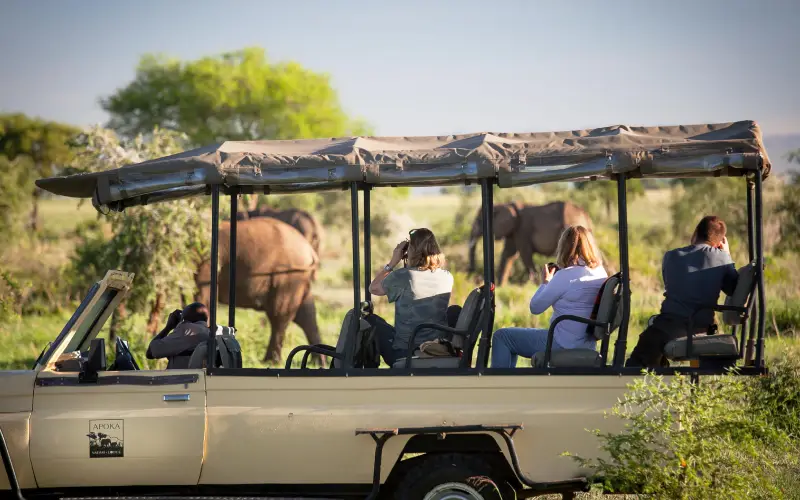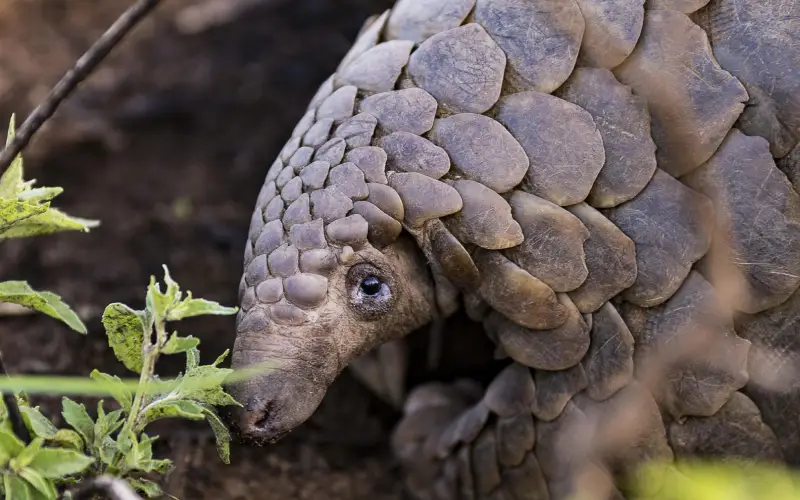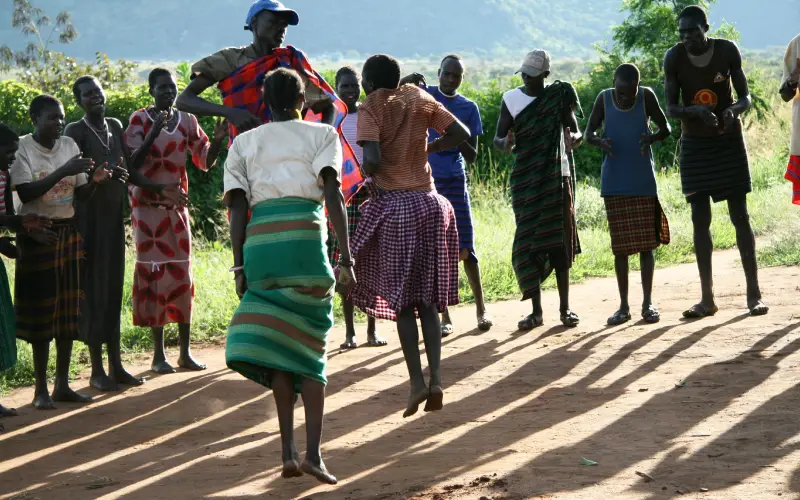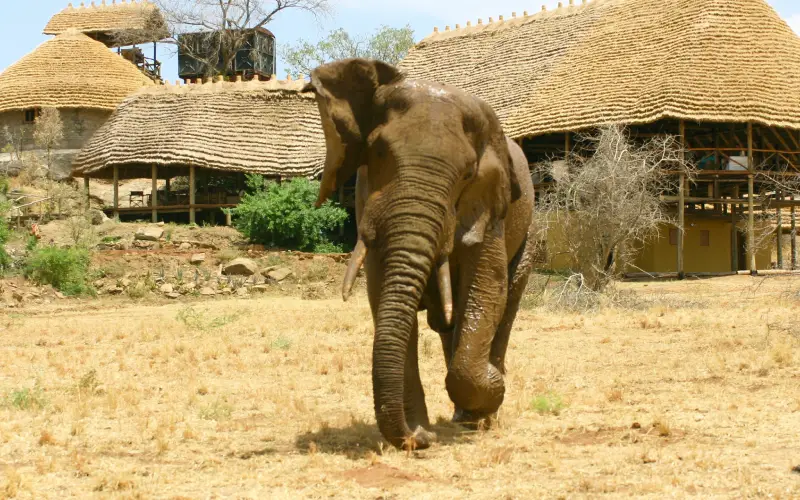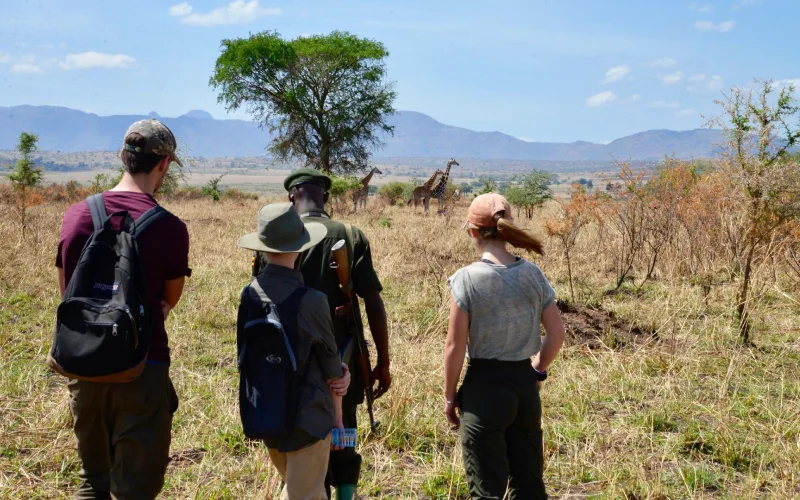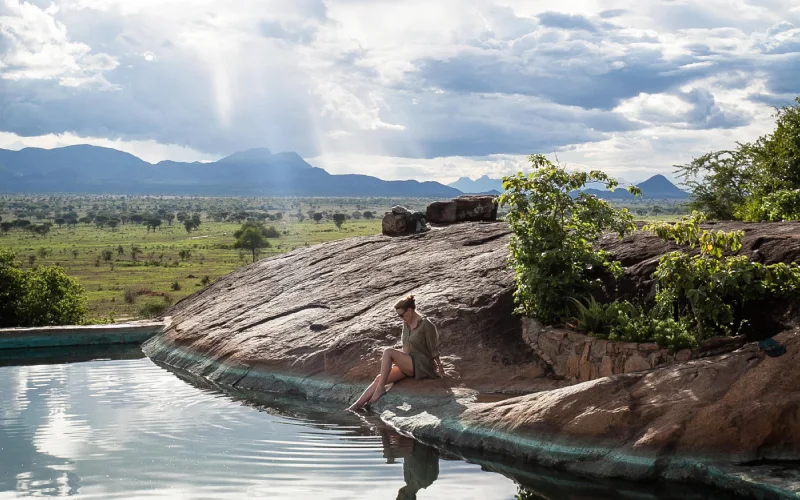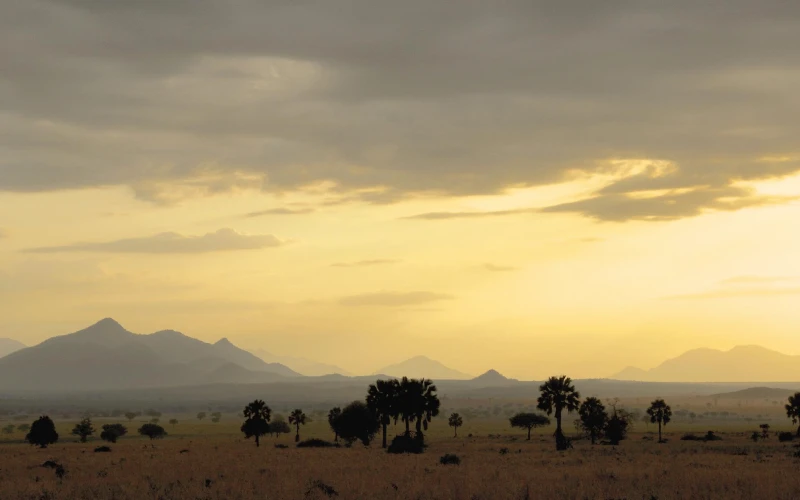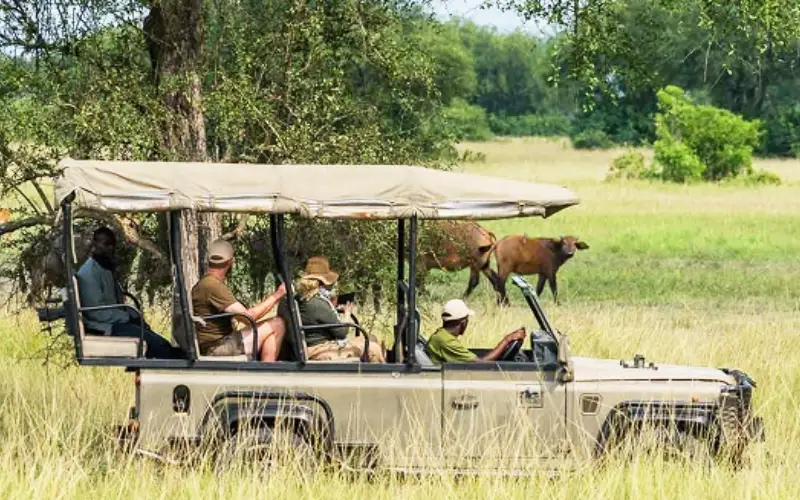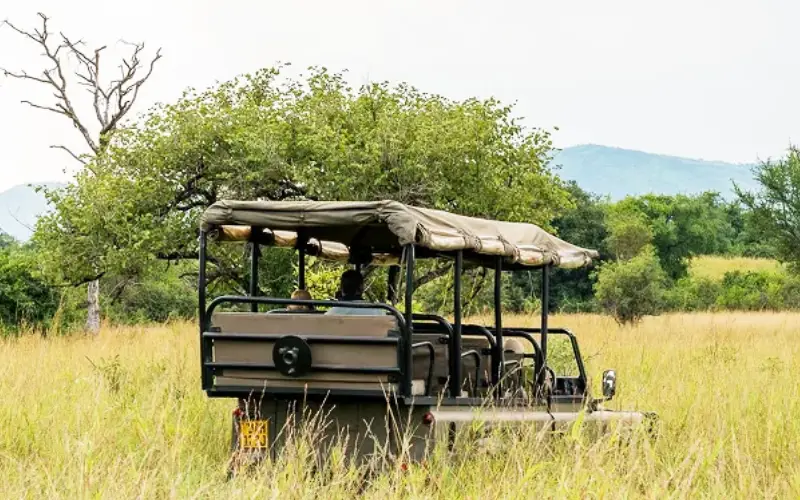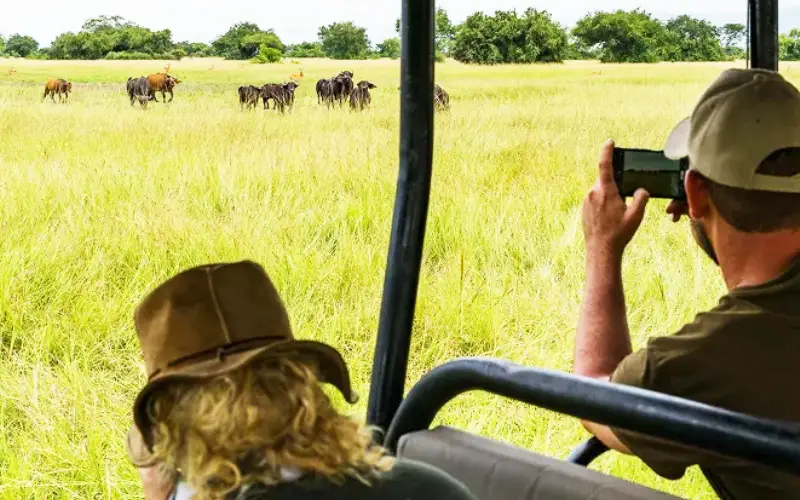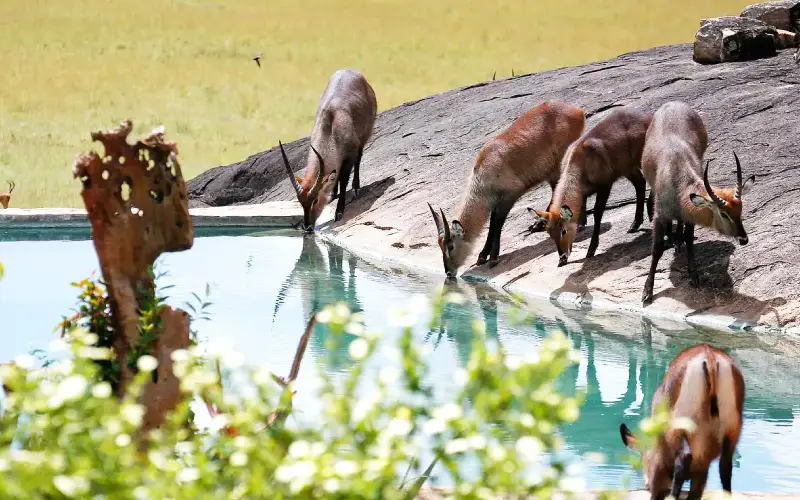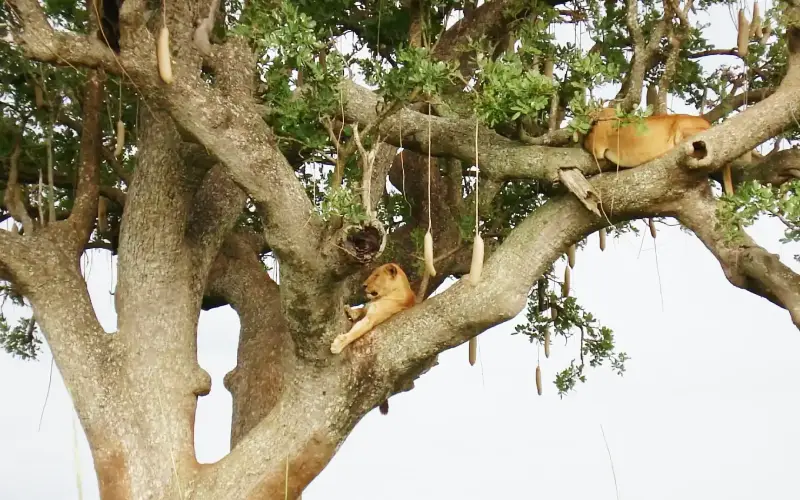


Kidepo Valley National Park is known for having one of the most diverse savannah ecosystems in Uganda. The park is home to four of the Big Five, while rhinos can be tracked on foot at Ziwa Rhino and Wildlife Ranch en route from Kampala.
In addition to lions and leopards, predators found in the park include cheetahs, spotted hyenas, bat-eared foxes, black-backed jackals, and side-striped jackals. Kidepo also supports a wide variety of antelope species, including Jackson’s hartebeest, oribi, eland, Uganda kob, and klipspringer.


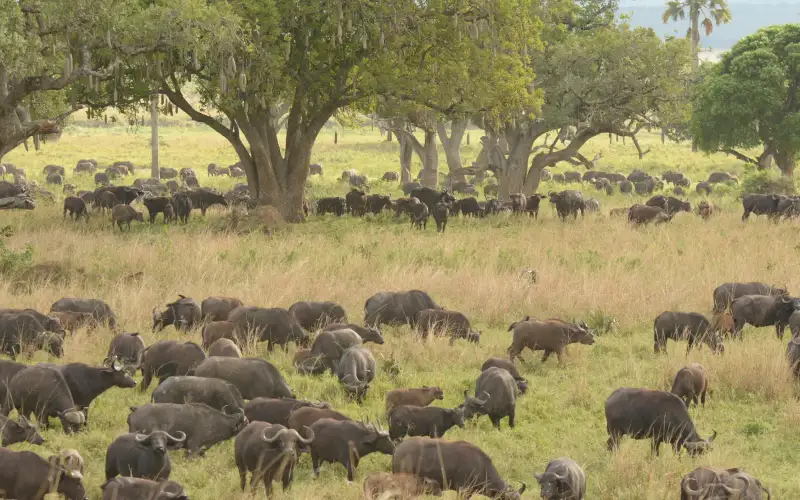
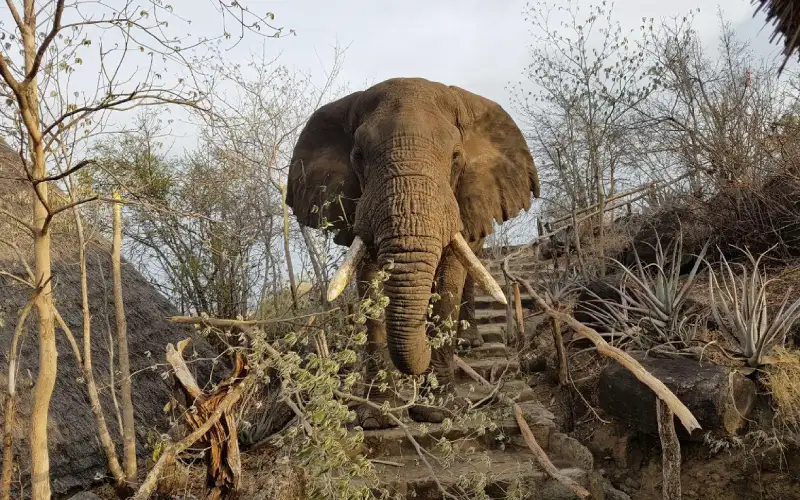
Kidepo Valley National Park offers excellent elephant sightings, and visitors may encounter large buffalo herds of up to 4,000 individuals. While sightings of leopards, lions, and cheetahs are not guaranteed, all three predators are seen with some regularity.
The park is also home to unique dry-country species such as caracal, aardwolf, greater and lesser kudu, mountain reedbuck, and Guenther’s dik-dik. Five primate species are present, including the ground-dwelling patas monkey. Lucky visitors may also spot the endangered Rothschild’s giraffe or the white-eared kob, a wetland antelope usually associated with South Sudan.
Kidepo Valley National Park offers its best wildlife viewing during the dry season (September to March), with peak sightings from November onwards when animals congregate around permanent water sources. During the wet season (April to August), wildlife disperses from the valleys to higher ground, making animals more challenging to locate.


Kidepo Valley National Park offers excellent birdwatching year-round. March and April are ideal for spotting local specials and many migratory species. Migratory birds are generally found in the valleys from November to April.
December to February experiences the least rainfall, while the wettest months occur from April to August. Even during the wet season, rain is usually light and should not significantly hinder birding in this semi-arid region. For wildlife viewing, the dry season (September to March) remains the most productive time, as animals gather around permanent water sources.
450+
Nov to Apr


Kidepo Valley National Park can be reached by road from Kampala or nearby Entebbe via several routes. The most direct route from Kampala passes through the northern city of Gulu to Lokumoit Gate, covering approximately 560 km (350 mi) and taking at least 10* hours without stops. The journey can be broken up with overnight stays at Ziwa Rhino and Wildlife Ranchgum. Two longer routes pass through the remote Karamoja, arriving at Nataba Gate. Once affected by banditry, Karamoja is now considered safe and is developing community-based tourism, particularly around the small town of Moroto.
Visitors to Uganda typically enter through Entebbe International Airport (EBB), located near the town of Entebbe, approximately 46 km (29 mi) from Kampala. Your safari consultant at Bush 2 City Adventure will normally arrange airport or hotel pickup to ensure a smooth start to your adventure.
It is always best to check online travel sites like Google Flights, Expedia, or Skyscanner for information on airlines and flight costs to Entebbe International Airport (EBB).
At Bush 2 City Adventure, we typically arrange flights to Kidepo Valley National Park via local airlines. The most convenient way to reach the park is by scheduled or chartered flight, which significantly reduces travel time compared to driving.
Scheduled flights from Entebbe International Airport to Kidepo take approximately 2 hours. These flights are relatively expensive but offer a fast and comfortable way to access this remote wilderness.
Please check our How To Get to Uganda page to learn more about passports, visas, and other entry requirements.
Kidepo Valley National Park is generally considered safe for visitors, particularly when exploring on an organized safari tour. Guides from Bush 2 City Adventure prioritize your safety throughout your visit.
Fly-in safaris to Kidepo are popular and convenient, while those attempting self-drive safaris should seek up-to-date local advice before departure. For the latest information on safety in Kidepo Valley and across Uganda, consult official government travel advisories (see the “Government Travel Advice for Uganda” link below).
Visitors to Kidepo Valley National Park should take precautions against malaria. Risk can be minimized by applying mosquito repellent (preferably containing DEET), wearing protective clothing in the evenings, and taking antimalarial medication as recommended. It is also advisable to consult your healthcare provider before traveling to confirm any required or recommended vaccinations for Uganda.
Wildlife viewing in Kidepo Valley National Park is generally safe when visitors follow the instructions of their guides. Adhering to recommended protocols ensures a secure and enjoyable safari experience. Please also review the Wildlife Viewing Safety Precautions outlined below to further protect yourself and the animals.
Kidepo Valley National Park is known for having one of the most diverse savannah ecosystems in Uganda. The park is home to four of the Big Five, while rhinos can be tracked on foot at Ziwa Rhino and Wildlife Ranch en route from Kampala.
In addition to lions and leopards, predators found in the park include cheetahs, spotted hyenas, bat-eared foxes, black-backed jackals, and side-striped jackals. Kidepo also supports a wide variety of antelope species, including Jackson’s hartebeest, oribi, eland, Uganda kob, and klipspringer.
Kidepo Valley National Park offers excellent elephant sightings, and visitors may encounter large buffalo herds of up to 4,000 individuals. While sightings of leopards, lions, and cheetahs are not guaranteed, all three predators are seen with some regularity.
The park is also home to unique dry-country species such as caracal, aardwolf, greater and lesser kudu, mountain reedbuck, and Guenther’s dik-dik. Five primate species are present, including the ground-dwelling patas monkey. Lucky visitors may also spot the endangered Rothschild’s giraffe or the white-eared kob, a wetland antelope usually associated with South Sudan.
Kidepo Valley National Park offers its best wildlife viewing during the dry season (September to March), with peak sightings from November onwards when animals congregate around permanent water sources. During the wet season (April to August), wildlife disperses from the valleys to higher ground, making animals more challenging to locate.
Kidepo Valley National Park offers excellent birdwatching year-round. March and April are ideal for spotting local specials and many migratory species. Migratory birds are generally found in the valleys from November to April.
December to February experiences the least rainfall, while the wettest months occur from April to August. Even during the wet season, rain is usually light and should not significantly hinder birding in this semi-arid region. For wildlife viewing, the dry season (September to March) remains the most productive time, as animals gather around permanent water sources.
450+
Nov to Apr
Kidepo Valley National Park can be reached by road from Kampala or nearby Entebbe via several routes. The most direct route from Kampala passes through the northern city of Gulu to Lokumoit Gate, covering approximately 560 km (350 mi) and taking at least 10* hours without stops. The journey can be broken up with overnight stays at Ziwa Rhino and Wildlife Ranchgum. Two longer routes pass through the remote Karamoja, arriving at Nataba Gate. Once affected by banditry, Karamoja is now considered safe and is developing community-based tourism, particularly around the small town of Moroto.
Visitors to Uganda typically enter through Entebbe International Airport (EBB), located near the town of Entebbe, approximately 46 km (29 mi) from Kampala. Your safari consultant at Bush 2 City Adventure will normally arrange airport or hotel pickup to ensure a smooth start to your adventure.
It is always best to check online travel sites like Google Flights, Expedia, or Skyscanner for information on airlines and flight costs to Entebbe International Airport (EBB).
At Bush 2 City Adventure, we typically arrange flights to Kidepo Valley National Park via local airlines. The most convenient way to reach the park is by scheduled or chartered flight, which significantly reduces travel time compared to driving.
Scheduled flights from Entebbe International Airport to Kidepo take approximately 2 hours. These flights are relatively expensive but offer a fast and comfortable way to access this remote wilderness.
Please check our How To Get to Uganda page to learn more about passports, visas, and other entry requirements.
Kidepo Valley National Park is generally considered safe for visitors, particularly when exploring on an organized safari tour. Guides from Bush 2 City Adventure prioritize your safety throughout your visit.
Fly-in safaris to Kidepo are popular and convenient, while those attempting self-drive safaris should seek up-to-date local advice before departure. For the latest information on safety in Kidepo Valley and across Uganda, consult official government travel advisories (see the “Government Travel Advice for Uganda” link below).
Visitors to Kidepo Valley National Park should take precautions against malaria. Risk can be minimized by applying mosquito repellent (preferably containing DEET), wearing protective clothing in the evenings, and taking antimalarial medication as recommended. It is also advisable to consult your healthcare provider before traveling to confirm any required or recommended vaccinations for Uganda.
Wildlife viewing in Kidepo Valley National Park is generally safe when visitors follow the instructions of their guides. Adhering to recommended protocols ensures a secure and enjoyable safari experience. Please also review the Wildlife Viewing Safety Precautions outlined below to further protect yourself and the animals.
Embarking on an African safari promises an adventure of a lifetime, showcasing the continent’s rich wildlife, breathtaking landscapes, and diverse cultures. While safaris are widely considered safe, especially those organized through reputable tour operators, it’s prudent to take certain precautions to ensure a smooth and secure experience. Here are some essential safety tips to consider:
Traveling through Africa offers an enriching experience filled with breathtaking landscapes, diverse cultures, and unparalleled wildlife encounters. While it’s generally safe, especially on organized tours or safaris, navigating urban environments requires a bit of savvy to ensure your trip remains worry-free. Here are some straightforward tips to keep in mind, whether you’re exploring bustling metropolises or serene landscapes:
Exploring the wild through a safari adventure is an exhilarating experience that brings you closer to nature’s most fascinating wildlife. Whether you opt for a guided tour with an experienced professional or decide to navigate the trails on a self-drive journey, safety is paramount to ensure an enjoyable and incident-free adventure. Here are some essential safety guidelines and tips to help you navigate your safari safely: