You are here:

Kibale National Park

Kibale NP

Overview

Wildlife

Birds

Best Time To Visit

Weather & Climate

Getting There

Malaria & Safety

Accommodations

Overview – Kibale NP
The lush Kibale National Park is renowned for its remarkable diversity of primates, hosting 13 species—the highest concentration in any protected area in the country. It is also Uganda’s leading destination for chimpanzee trekking. Visitors can expect to encounter several monkey species, along with an impressive array of birds and butterflies. Beyond the forest, the surrounding landscape is dotted with scenic crater lakes, many framed by inviting lodges that serve as ideal bases for exploring the park.
chimpazee trek
Best Time To Go
January to February and June to July (Chimp trekking is easiest)
High Season
June to September (Peak time for Uganda)
Size
795km² / 307mi²
Altitude
928-1,568m / 3,045-5,144ft
Pros & Cons
Highly reliable chimpanzee trekking experiences
Optional chimpanzee habituation experiences and guided night walks
Expansive stretches of untouched, pristine forest
Outstanding birdwatching in both forest and wetland habitats
Nature walks and cultural visits available in the nearby Bigodi Wetland Sanctuary community
Chimpanzee trekking in Kibale National Park is more popular and can be busier than other locations in Uganda
Wildlife
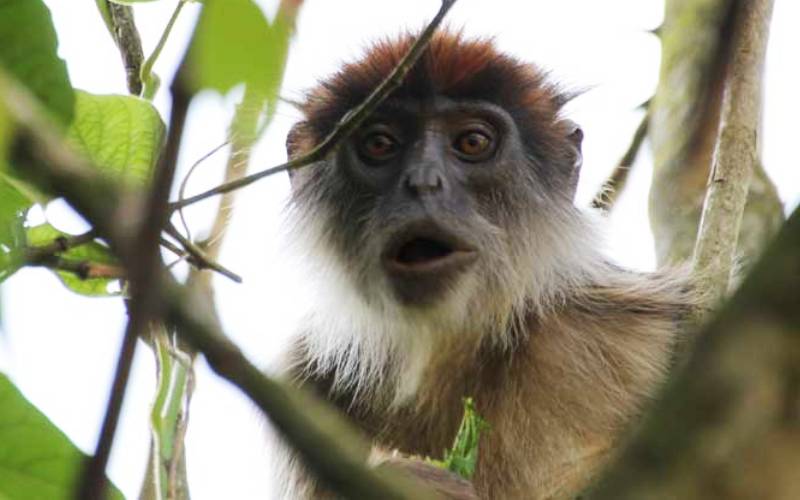
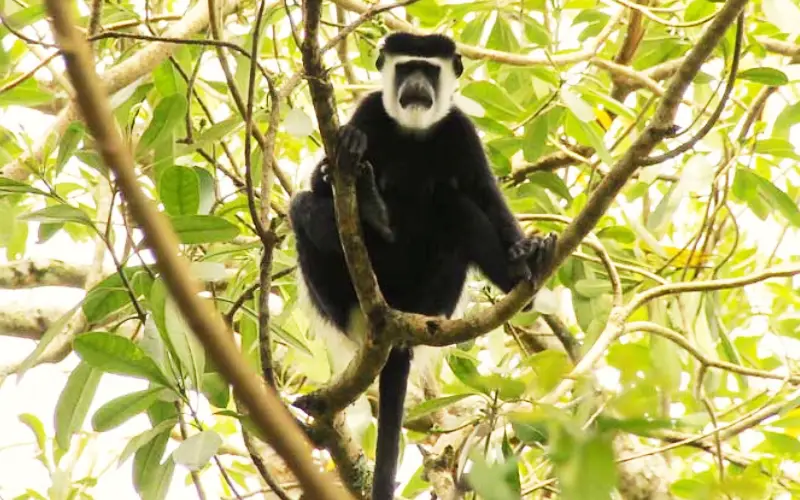
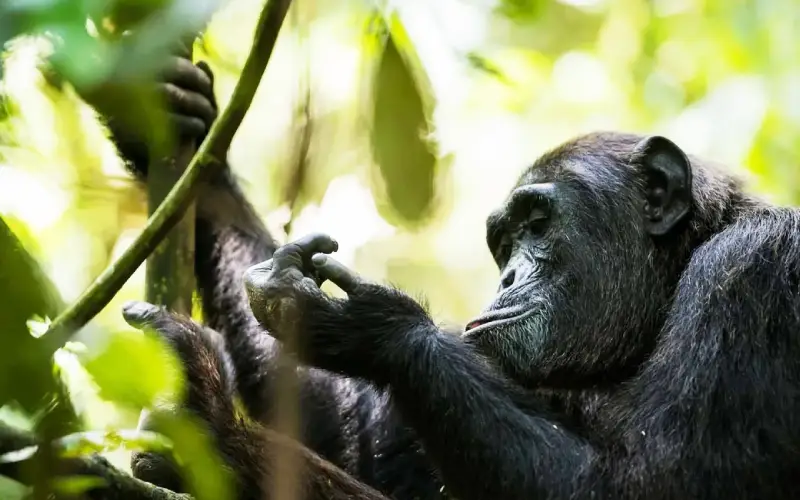
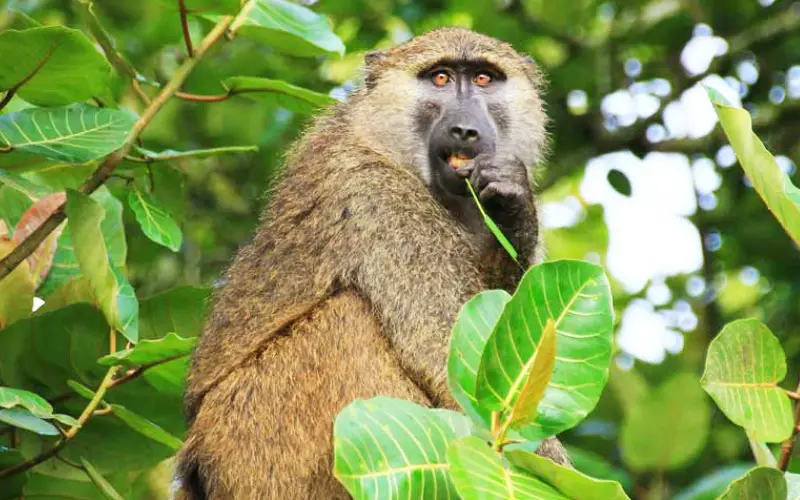
Kibale National Park is among Africa’s premier destinations for observing a rich variety of primates. While chimpanzees are the main highlight, visitors may also encounter large troops of olive baboons along the roads, as well as red-tailed monkeys, black-and-white colobus, Ugandan red colobus, and Uganda mangabeys moving through the forest canopy. More elusive species such as L’Hoest’s monkey and blue monkey can also be found. Although elephants, buffalo, leopards, and lions occasionally pass through or inhabit the area—thanks to its proximity to Queen Elizabeth National Park—these larger mammals are rarely seen.
Scenery
Kibale National Park encompasses a variety of habitats shaped by changing altitude. Dense tropical forest dominates the Fort Portal plateau, gradually giving way to savannah landscapes in the southern Albertine Valley. Compared to many other forests in the country, Kibale has experienced relatively limited logging, allowing much of it to remain intact. As a result, the forest still features impressive stands of towering mahogany, fig, and other hardwood trees, creating a rich and well-preserved ecosystem.
Activities
Chimpanzee trekking in Kibale National Park takes place twice daily, typically in the morning and afternoon. The habituated chimpanzee groups are well accustomed to human presence, offering excellent viewing opportunities. However, multiple trekking groups may gather around the same troop, making the experience feel busier—especially during the morning sessions. Additional guided activities include a full-day chimpanzee habituation experience, forest walks, birdwatching excursions, and night walks in search of nocturnal species such as pottos. Visitors can also explore the nearby Bigodi Wetland Sanctuary for nature walks and community-based experiences.
Weather & Climate
Thanks to its location near the equator, Kibale National Park enjoys a mild, consistent climate throughout the year, with average daytime highs around 26°C (79°F). Temperatures tend to be slightly warmer in the southern areas, where lower elevations and more open vegetation prevail. While there isn’t a distinct dry season, rainfall is typically lighter in January, February, June, and July. The wetter periods usually occur in April, September, October, and November, with the remaining months offering moderate conditions in between.
Best Time To Visit
The drier months of January, February, June, and July are generally considered the best time for chimpanzee trekking in Kibale National Park, with May and December also offering favorable conditions. Trekking is possible year-round, though rainfall is more frequent in other months, which can make trails wetter and more challenging. Despite seasonal changes, the chances of seeing chimpanzees remain consistently high throughout the year, and skies are often clearer and less hazy during the drier periods.
Want To Visit Kibale NP
No data was found
Wildlife & Animals – Kibale NP

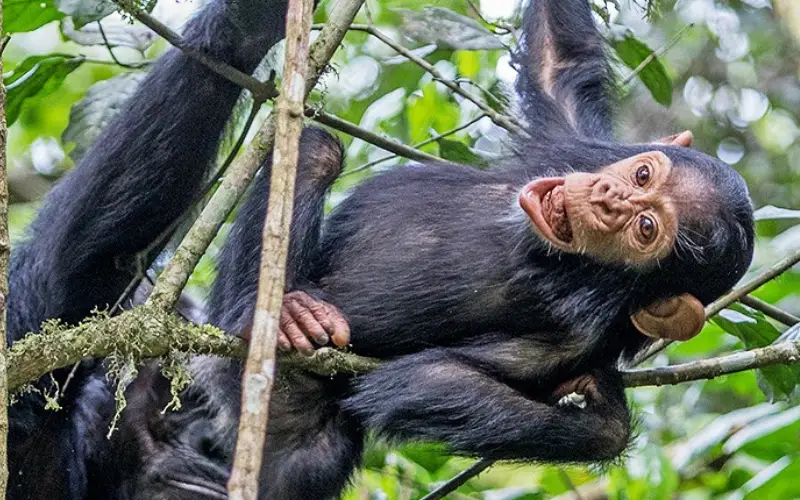
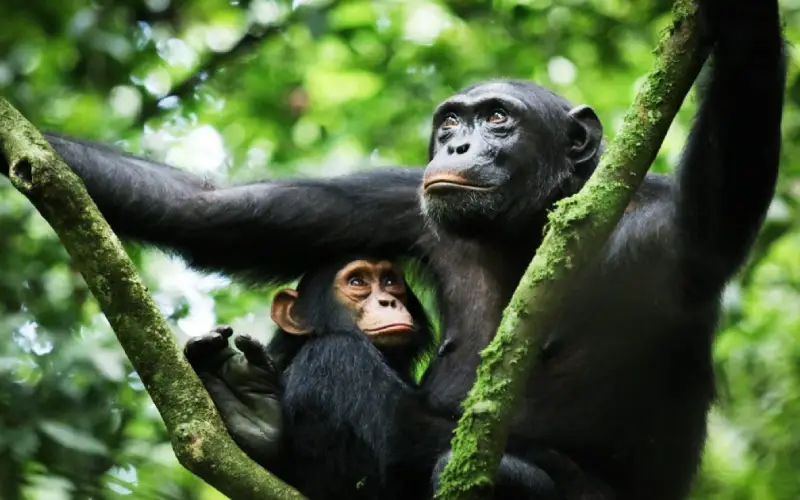
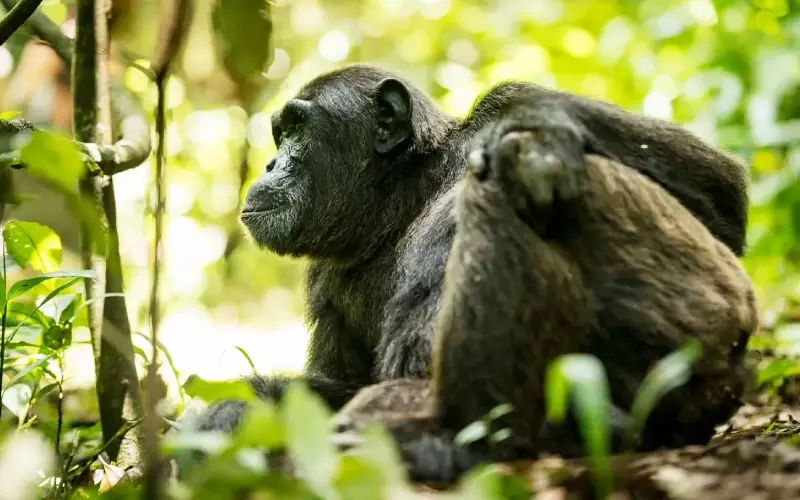
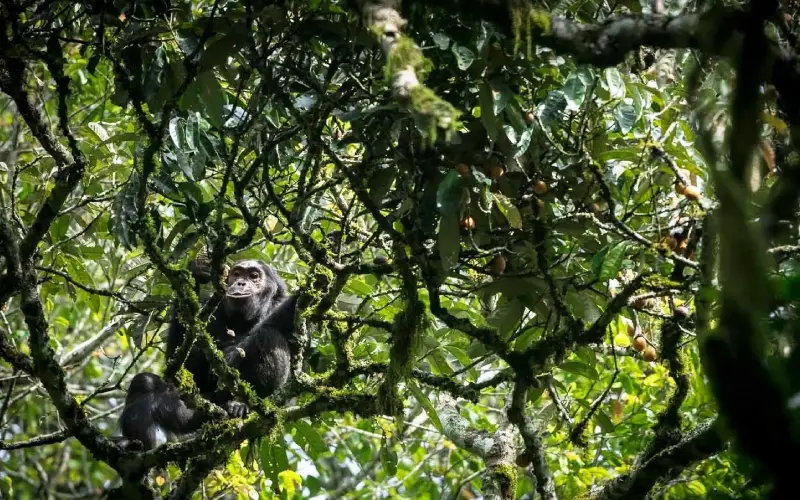
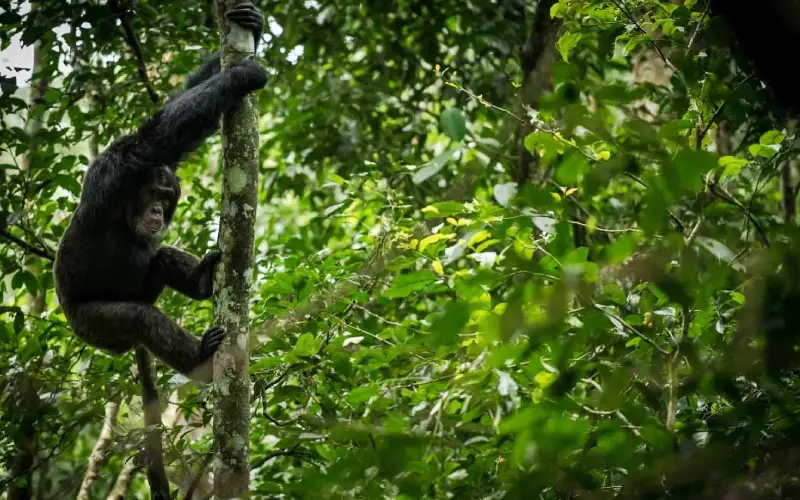
The chimpanzee groups visited in Kibale National Park are among the most habituated in Uganda, often allowing for exceptional viewing experiences. The park also boasts the highest diversity of primates in East Africa, with 13 recorded species. Common sightings include olive baboons, black-and-white colobus, red-tailed monkeys, Ugandan red colobus, and Uganda mangabeys. At night, the forest comes alive with nocturnal species such as pottos and several types of bush babies.

Gorilla
Chimpanzee
Rhino
Lion
Leopard
Cheetah
Hippo
Buffalo
Zebra
Wildebeest
Elephant
Giraffe
Wildlife Highlights

Kibale National Park is one of the few locations where the endangered Ugandan red colobus is found and supports the largest known population of this species. It is also a key habitat for the endemic Uganda mangabey. The forest shelters a variety of elusive mammals, including elephant, buffalo, giant forest hog, warthog, bushpig, bushbuck, blue duiker, and Weyns’s duiker. Leopards are believed to inhabit the area, while lions occasionally wander in from Queen Elizabeth National Park. Smaller, secretive carnivores such as palm civets and African golden cats may also be present within this rich ecosystem.

Best Time for Wildlife Viewing

The drier months of January, February, June, and July are generally the most favorable for chimpanzee trekking in Kibale National Park, with May and December also offering good conditions. The park remains open year-round, and sightings of chimpanzees are consistently high in all seasons. However, during periods of heavy rain, trails can become slippery and more challenging to navigate, which may affect the overall trekking experience.

Want To Visit Kibale NP
No data was found
Wildlife Photos
kibale - bush2City (10)
Birds – Kibale NP
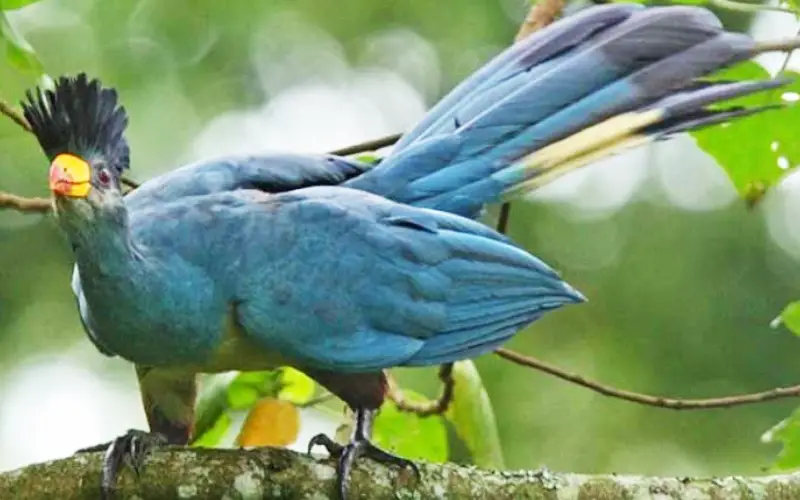
Kibale National Park is home to over 370 bird species, including four found nowhere else in Uganda: Cassin’s spinetail, blue-headed bee-eater, Nahan’s francolin, and masked apalis. For first-time visitors seeking a variety of forest birds, walking along the park roads provides excellent canopy views. Enthusiast birders in search of rarer forest interior species, such as the green-breasted pitta, will benefit from venturing deeper into the forest with an experienced local guide. A highlight for birdwatchers is the nearby, community-managed Bigodi Wetland Sanctuary. Migratory species are typically present between November and April, adding to the park’s incredible avian diversity.

Notable Birds in Kibale NP

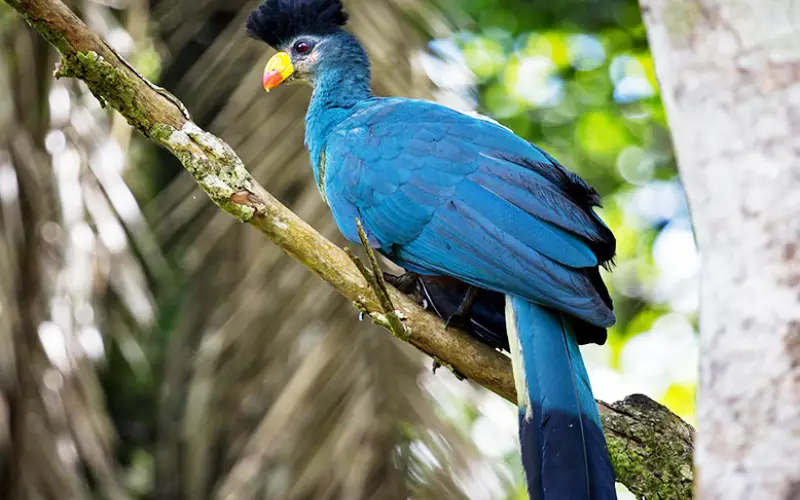
Great blue turaco
Common
Best Time for Bird Watching

Birdwatching in Kibale National Park is rewarding throughout the year. The main fruiting season from June to September brings abundant food, and many species display their breeding plumage. While migratory birds are less prominent in the forest, they can be observed between November and April. The driest months are December to February and June to July, whereas March to May and September to November see the heaviest rainfall, which can occasionally limit time spent observing birds.

Want To Visit Kibale NP
No data was found
Facts & Figures

Bird Species

450+

Migratory Birds

Nov to Apr

Best Time To Visit – Kibale NP

Jan

Feb

Mar

Apr

May

Jun

Jul

Aug

Sep

Oct

Nov

Dec

Kibale National Park offers chimpanzee trekking year-round. The driest months—January, February, June, and July—are generally considered the best for trekking, with May and December also providing favorable conditions. Trails are easier to navigate during these drier periods, making for a more comfortable and enjoyable experience. Nevertheless, chimpanzee sightings remain consistently high throughout the year.
Best Time
January to February and June to July (Trails are dry, so it makes chimp trekking easier)
High Season
June to September (The park is busier as it is the most favorable time for gorilla trekking elsewhere in Uganda)
Low Season
March to May and October to November
Best Weather
January to February and June to July (Least rain)
Worst Weather
April and September to November (Most rain, forest trails are slippery, and travel becomes difficult)
January to February & June to July – Dry Season
Dry forest trails make chimpanzee tracking easier
Higher likelihood of enjoying a dry, comfortable encounter with chimps
Chimps often congregate at fruiting trees in January and February, improving spotting opportunities
Limited rain enhances visibility of birds and monkeys in the canopy
Days are generally sunny and pleasant
Views can be slightly muted due to occasional haze
June and July coincide with peak season, making the park busier than other months
March to May & August to December – Wet Season
Excellent period for birdwatching enthusiasts
Scenic views are stunning when clouds clear
Rain can make forest trails more difficult to navigate
Wet conditions may affect chimpanzee viewing and photography experiences
Want To Visit Kibale NP
No data was found
Wildlife Photos
kibale - bush2City (10)
Weather & Climate – Kibale NP
Kibale National Park enjoys a moist, temperate climate, with temperatures remaining fairly consistent throughout the year. Daytime highs average around 26°C (79°F), cooling to approximately 16°C (61°F) at night. Rainfall can occur in any month, so carrying waterproof clothing is recommended. The relatively drier months—January, February, June, and July—receive less than 60 mm (2.4 in) of rain on average, while the wettest periods, April, September, October, and November, often see more than 140 mm (5.5 in) of rainfall per month.
Dry Season – January to February & June to July
  • January & February – Although occasional rain is possible, these months are among the driest, making them ideal for chimpanzee trekking. Average daytime temperatures reach 27°C (81°F), cooling to around 17°C (63°F) at night.


  • June & July – These months are also relatively dry, with some chance of rainfall. Daytime temperatures typically hover around 26°C (79°F), dropping to approximately 16°C (61°F) in the early morning.
Wet Season – March to May & August to December
  • March, April & May – Rainfall is common during these months, peaking in April. Wet trails can make chimpanzee trekking more challenging, so careful footing is advised.


  • August, September, October, November & December – This period includes the wettest months, with September through November seeing the heaviest rainfall. August, coming at the tail end of the dry season, is somewhat less muddy, while December is drier than the preceding four months but can still present slippery conditions on forest trails. Daytime temperatures typically reach around 26°C (79°F), cooling to an average low of 16°C (61°F).
Want To Visit Kibale NP
No data was found
Kibale National Park
Kibale NP Photos
chimpazee trek
Getting There – Kibale NP

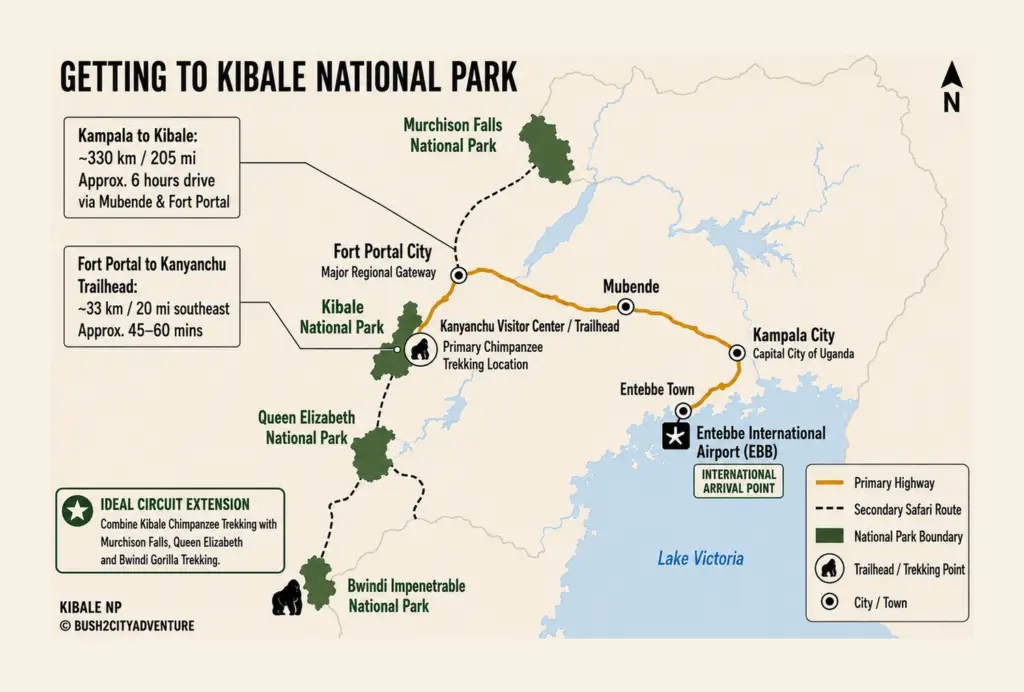
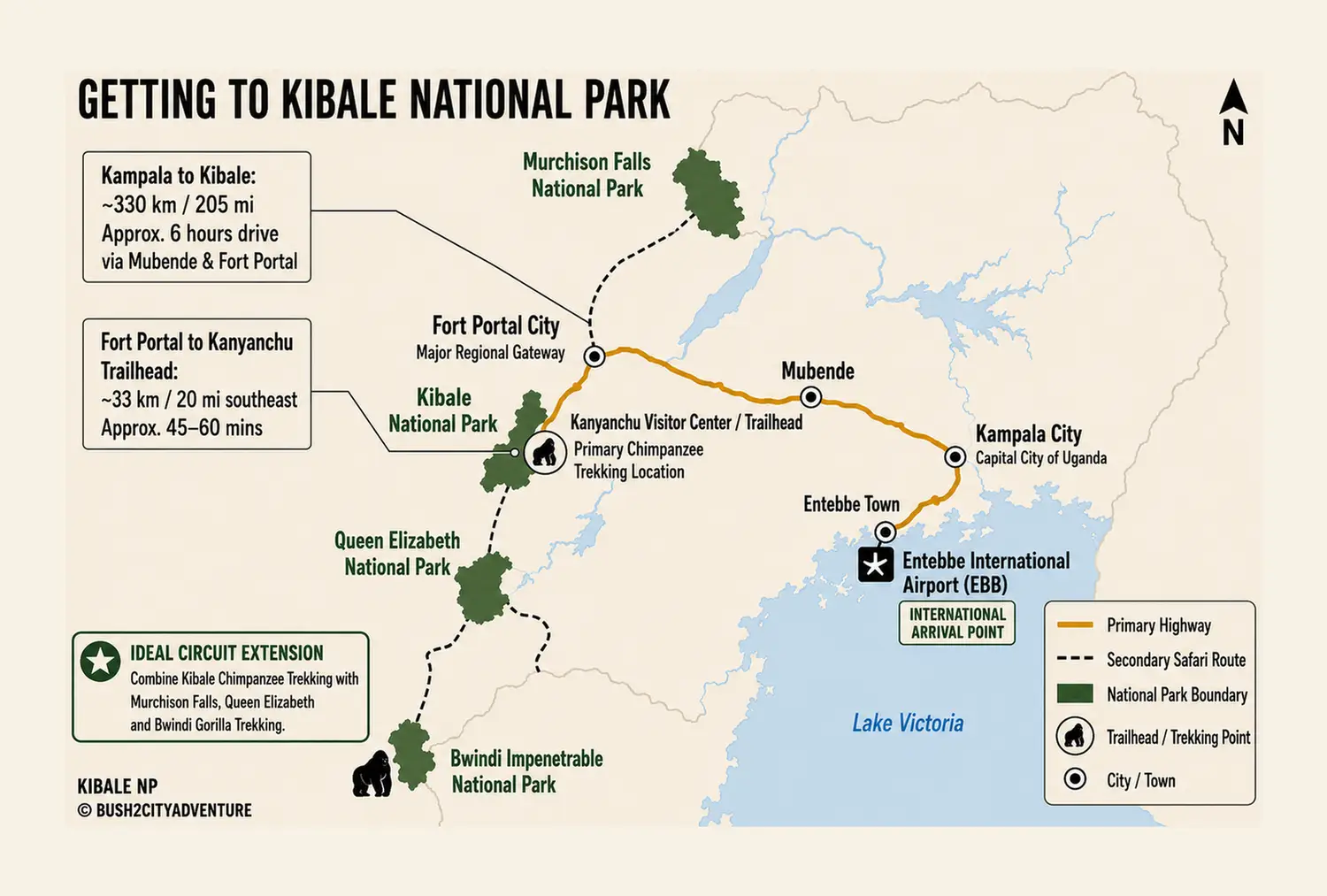
Kibale National Park is situated in western Uganda. The chimpanzee trekking trailhead at Kanyanchu is approximately 33 km (20 mi) southeast of Fort Portal, about a 40-minute* drive on a well-maintained road. The park is roughly 330 km (205 mi) from Kampala. It is combined with other highlights in western Uganda, including Bwindi Impenetrable National Park, Queen Elizabeth National Park, and Murchison Falls National Park.


Most visitors enter the country via Entebbe International Airport (EBB), located 46 km (29 mi) from Kampala. Typically, Bush2City Adventures provides airport pickup and all additional transportation included in your safari package.

*Driving times are only a rough indication. You should always consider the possibility of significant delays.
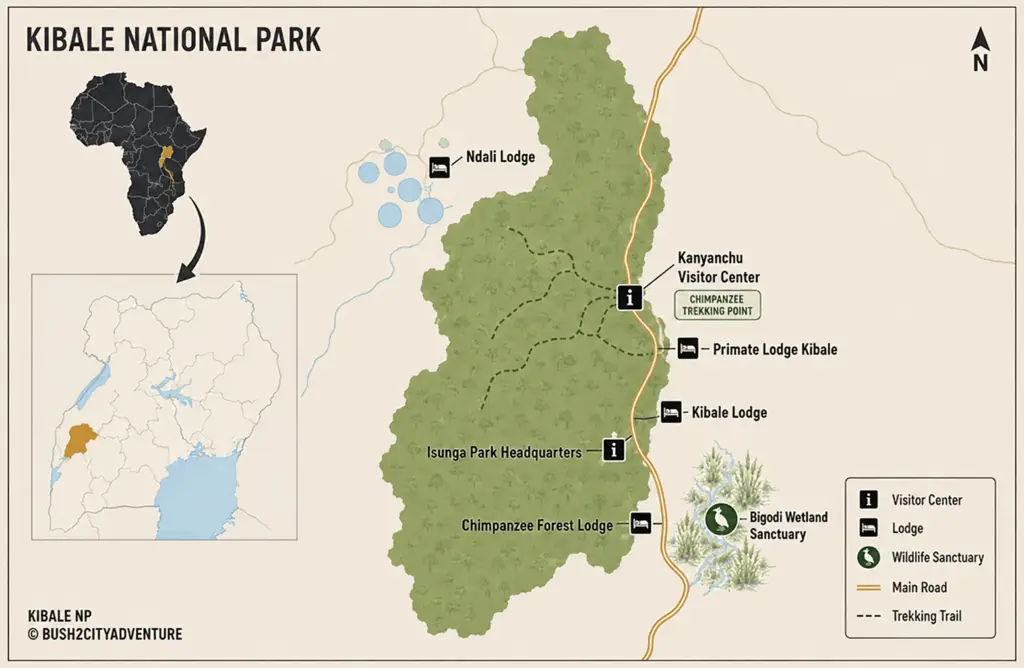
Main Park Map
Airlines & Ticket Prices

To book your flight to Entebbe International Airport (EBB), check travel sites such as Skyscanner and also visit airline websites directly. These sources will show available flights, schedules, and current ticket prices.

Domestic Flights

Domestic flights between parks are generally arranged by your Bush2City Adventures consultant and included within your safari package. Currently, there are no scheduled flights directly to Kibale National Park or Fort Portal. The nearest option is “,”Kasese”,”Uganda”], served by daily AeroLink flights from Entebbe International Airport (EBB). From Kasese, it takes up to two hours to drive the 70 km (44 mi) to the Kanyanchu trailhead.

Passport, Visa & Other Entry Requirements

Please check our How To Get to Uganda page to learn more about passport, visa and other entry requirements.

Want To Visit Kibale NP
No data was found
Malaria & Safety – Kibale NP
Safety

Kibale National Park, like most parks and reserves in Uganda, is generally very safe to visit. Your guide will ensure your well-being throughout the experience. For the latest safety information, please consult official government travel advisories (see the “Government Travel Advice for Uganda” link below).

Malaria & Vaccinations

Taking precautions against malaria is essential. It is recommended to use antimalarial medication, apply mosquito repellent (preferably containing DEET), and cover exposed skin in the evenings when mosquitoes are most active. Additional vaccinations may also be advised—consult your local travel clinic for guidance.

Wildlife Viewing

Chimpanzee trekking is generally very safe when you follow your guide’s instructions carefully. Any questions you have will be addressed during the pre-trek safety briefing. Additional guidance can be found in the “Chimp Trekking Safety Precautions” section below.

Want To Visit Kibale NP
No data was found
Accommodations – Kibale NP
Want To Visit Kibale NP
No data was found
Overview – Kibale NP
The lush Kibale National Park is renowned for its remarkable diversity of primates, hosting 13 species—the highest concentration in any protected area in the country. It is also Uganda’s leading destination for chimpanzee trekking. Visitors can expect to encounter several monkey species, along with an impressive array of birds and butterflies. Beyond the forest, the surrounding landscape is dotted with scenic crater lakes, many framed by inviting lodges that serve as ideal bases for exploring the park.
chimpazee trek
Best Time To Go
January to February and June to July (Chimp trekking is easiest)
High Season
June to September (Peak time for Uganda)
Size
795km² / 307mi²
Altitude
928-1,568m / 3,045-5,144ft
Pros & Cons
Highly reliable chimpanzee trekking experiences
Optional chimpanzee habituation experiences and guided night walks
Expansive stretches of untouched, pristine forest
Outstanding birdwatching in both forest and wetland habitats
Nature walks and cultural visits available in the nearby Bigodi Wetland Sanctuary community
Chimpanzee trekking in Kibale National Park is more popular and can be busier than other locations in Uganda
Wildlife
Kibale National Park is among Africa’s premier destinations for observing a rich variety of primates. While chimpanzees are the main highlight, visitors may also encounter large troops of olive baboons along the roads, as well as red-tailed monkeys, black-and-white colobus, Ugandan red colobus, and Uganda mangabeys moving through the forest canopy. More elusive species such as L’Hoest’s monkey and blue monkey can also be found. Although elephants, buffalo, leopards, and lions occasionally pass through or inhabit the area—thanks to its proximity to Queen Elizabeth National Park—these larger mammals are rarely seen.
Scenery
Kibale National Park encompasses a variety of habitats shaped by changing altitude. Dense tropical forest dominates the Fort Portal plateau, gradually giving way to savannah landscapes in the southern Albertine Valley. Compared to many other forests in the country, Kibale has experienced relatively limited logging, allowing much of it to remain intact. As a result, the forest still features impressive stands of towering mahogany, fig, and other hardwood trees, creating a rich and well-preserved ecosystem.
Weather & Climate
Thanks to its location near the equator, Kibale National Park enjoys a mild, consistent climate throughout the year, with average daytime highs around 26°C (79°F). Temperatures tend to be slightly warmer in the southern areas, where lower elevations and more open vegetation prevail. While there isn’t a distinct dry season, rainfall is typically lighter in January, February, June, and July. The wetter periods usually occur in April, September, October, and November, with the remaining months offering moderate conditions in between.
Best Time To Visit
The drier months of January, February, June, and July are generally considered the best time for chimpanzee trekking in Kibale National Park, with May and December also offering favorable conditions. Trekking is possible year-round, though rainfall is more frequent in other months, which can make trails wetter and more challenging. Despite seasonal changes, the chances of seeing chimpanzees remain consistently high throughout the year, and skies are often clearer and less hazy during the drier periods.
Want To Visit Kibale NP
No data was found
Wildlife & Animals – Kibale NP

The chimpanzee groups visited in Kibale National Park are among the most habituated in Uganda, often allowing for exceptional viewing experiences. The park also boasts the highest diversity of primates in East Africa, with 13 recorded species. Common sightings include olive baboons, black-and-white colobus, red-tailed monkeys, Ugandan red colobus, and Uganda mangabeys. At night, the forest comes alive with nocturnal species such as pottos and several types of bush babies.

Gorilla
Chimpanzee
Rhino
Lion
Leopard
Cheetah
Hippo
Buffalo
Zebra
Wildebeest
Elephant
Giraffe
Wildlife Highlights

Kibale National Park is one of the few locations where the endangered Ugandan red colobus is found and supports the largest known population of this species. It is also a key habitat for the endemic Uganda mangabey. The forest shelters a variety of elusive mammals, including elephant, buffalo, giant forest hog, warthog, bushpig, bushbuck, blue duiker, and Weyns’s duiker. Leopards are believed to inhabit the area, while lions occasionally wander in from Queen Elizabeth National Park. Smaller, secretive carnivores such as palm civets and African golden cats may also be present within this rich ecosystem.

Best Time for Wildlife Viewing

The drier months of January, February, June, and July are generally the most favorable for chimpanzee trekking in Kibale National Park, with May and December also offering good conditions. The park remains open year-round, and sightings of chimpanzees are consistently high in all seasons. However, during periods of heavy rain, trails can become slippery and more challenging to navigate, which may affect the overall trekking experience.

Want To Visit Kibale NP
No data was found
Wildlife Photos
kibale - bush2City (10)
Birds – Kibale NP
Kibale National Park is home to over 370 bird species, including four found nowhere else in Uganda: Cassin’s spinetail, blue-headed bee-eater, Nahan’s francolin, and masked apalis. For first-time visitors seeking a variety of forest birds, walking along the park roads provides excellent canopy views. Enthusiast birders in search of rarer forest interior species, such as the green-breasted pitta, will benefit from venturing deeper into the forest with an experienced local guide. A highlight for birdwatchers is the nearby, community-managed Bigodi Wetland Sanctuary. Migratory species are typically present between November and April, adding to the park’s incredible avian diversity.

Notable Birds in Kibale NP

Great blue turaco
Common
Best Time for Bird Watching

Birdwatching in Kibale National Park is rewarding throughout the year. The main fruiting season from June to September brings abundant food, and many species display their breeding plumage. While migratory birds are less prominent in the forest, they can be observed between November and April. The driest months are December to February and June to July, whereas March to May and September to November see the heaviest rainfall, which can occasionally limit time spent observing birds.

Want To Visit Kibale NP
No data was found
Facts & Figures

Bird Species

450+

Migratory Birds

Nov to Apr

Best Time To Visit – Kibale NP

Jan

Feb

Mar

Apr

May

Jun

Jul

Aug

Sep

Oct

Nov

Dec

Kibale National Park offers chimpanzee trekking year-round. The driest months—January, February, June, and July—are generally considered the best for trekking, with May and December also providing favorable conditions. Trails are easier to navigate during these drier periods, making for a more comfortable and enjoyable experience. Nevertheless, chimpanzee sightings remain consistently high throughout the year.
Best Time
January to February and June to July (Trails are dry, so it makes chimp trekking easier)
High Season
June to September (The park is busier as it is the most favorable time for gorilla trekking elsewhere in Uganda)
Low Season
March to May and October to November
Best Weather
January to February and June to July (Least rain)
Worst Weather
April and September to November (Most rain, forest trails are slippery, and travel becomes difficult)
January to February & June to July – Dry Season
Dry forest trails make chimpanzee tracking easier
Higher likelihood of enjoying a dry, comfortable encounter with chimps
Chimps often congregate at fruiting trees in January and February, improving spotting opportunities
Limited rain enhances visibility of birds and monkeys in the canopy
Days are generally sunny and pleasant
Views can be slightly muted due to occasional haze
June and July coincide with peak season, making the park busier than other months
March to May & August to December – Wet Season
Excellent period for birdwatching enthusiasts
Scenic views are stunning when clouds clear
Rain can make forest trails more difficult to navigate
Wet conditions may affect chimpanzee viewing and photography experiences
Want To Visit Kibale NP
No data was found
Wildlife Photos
kibale - bush2City (10)
Weather & Climate – Kibale NP
Kibale National Park enjoys a moist, temperate climate, with temperatures remaining fairly consistent throughout the year. Daytime highs average around 26°C (79°F), cooling to approximately 16°C (61°F) at night. Rainfall can occur in any month, so carrying waterproof clothing is recommended. The relatively drier months—January, February, June, and July—receive less than 60 mm (2.4 in) of rain on average, while the wettest periods, April, September, October, and November, often see more than 140 mm (5.5 in) of rainfall per month.
Dry Season – January to February & June to July
  • January & February – Although occasional rain is possible, these months are among the driest, making them ideal for chimpanzee trekking. Average daytime temperatures reach 27°C (81°F), cooling to around 17°C (63°F) at night.


  • June & July – These months are also relatively dry, with some chance of rainfall. Daytime temperatures typically hover around 26°C (79°F), dropping to approximately 16°C (61°F) in the early morning.
Wet Season – March to May & August to December
  • March, April & May – Rainfall is common during these months, peaking in April. Wet trails can make chimpanzee trekking more challenging, so careful footing is advised.


  • August, September, October, November & December – This period includes the wettest months, with September through November seeing the heaviest rainfall. August, coming at the tail end of the dry season, is somewhat less muddy, while December is drier than the preceding four months but can still present slippery conditions on forest trails. Daytime temperatures typically reach around 26°C (79°F), cooling to an average low of 16°C (61°F).
Want To Visit Kibale NP
No data was found
Kibale National Park
Kibale NP Photos
chimpazee trek
Getting There – Kibale NP

Kibale National Park is situated in western Uganda. The chimpanzee trekking trailhead at Kanyanchu is approximately 33 km (20 mi) southeast of Fort Portal, about a 40-minute* drive on a well-maintained road. The park is roughly 330 km (205 mi) from Kampala. It is combined with other highlights in western Uganda, including Bwindi Impenetrable National Park, Queen Elizabeth National Park, and Murchison Falls National Park.


Most visitors enter the country via Entebbe International Airport (EBB), located 46 km (29 mi) from Kampala. Typically, Bush2City Adventures provides airport pickup and all additional transportation included in your safari package.
*Driving times are only a rough indication. You should always consider the possibility of significant delays.
Main Park Map
Airlines & Ticket Prices

To book your flight to Entebbe International Airport (EBB), check travel sites such as Skyscanner and also visit airline websites directly. These sources will show available flights, schedules, and current ticket prices.

Domestic Flights

Domestic flights between parks are generally arranged by your Bush2City Adventures consultant and included within your safari package. Currently, there are no scheduled flights directly to Kibale National Park or Fort Portal. The nearest option is “,”Kasese”,”Uganda”], served by daily AeroLink flights from Entebbe International Airport (EBB). From Kasese, it takes up to two hours to drive the 70 km (44 mi) to the Kanyanchu trailhead.

Passport, Visa & Other Entry Requirements

Please check our How To Get to Uganda page to learn more about passport, visa and other entry requirements.

Want To Visit Kibale NP
No data was found
Malaria & Safety – Kibale NP
Safety

Kibale National Park, like most parks and reserves in Uganda, is generally very safe to visit. Your guide will ensure your well-being throughout the experience. For the latest safety information, please consult official government travel advisories (see the “Government Travel Advice for Uganda” link below).

Malaria & Vaccinations

Taking precautions against malaria is essential. It is recommended to use antimalarial medication, apply mosquito repellent (preferably containing DEET), and cover exposed skin in the evenings when mosquitoes are most active. Additional vaccinations may also be advised—consult your local travel clinic for guidance.

Wildlife Viewing

Chimpanzee trekking is generally very safe when you follow your guide’s instructions carefully. Any questions you have will be addressed during the pre-trek safety briefing. Additional guidance can be found in the “Chimp Trekking Safety Precautions” section below.
Want To Visit Kibale NP
No data was found

Explore Kibale National Park Safari Tours

No data was found

Book your Kilimanjaro trek

Our team is always here to help

General Travel Safety Precautions

Embarking on an African safari promises an adventure of a lifetime, showcasing the continent’s rich wildlife, breathtaking landscapes, and diverse cultures. While safaris are widely considered safe, especially those organized through reputable tour operators, it’s prudent to take certain precautions to ensure a smooth and secure experience. Here are some essential safety tips to consider:

Cities & Urban Areas: Safety Precautions

Traveling through Africa offers an enriching experience filled with breathtaking landscapes, diverse cultures, and unparalleled wildlife encounters. While it’s generally safe, especially on organized tours or safaris, navigating urban environments requires a bit of savvy to ensure your trip remains worry-free. Here are some straightforward tips to keep in mind, whether you’re exploring bustling metropolises or serene landscapes:

Wildlife Viewing Safety Precautions

Exploring the wild through a safari adventure is an exhilarating experience that brings you closer to nature’s most fascinating wildlife. Whether you opt for a guided tour with an experienced professional or decide to navigate the trails on a self-drive journey, safety is paramount to ensure an enjoyable and incident-free adventure. Here are some essential safety guidelines and tips to help you navigate your safari safely:
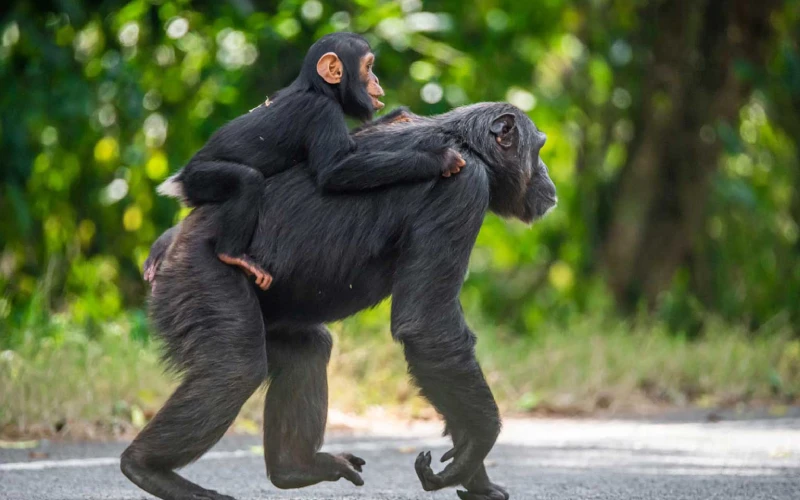
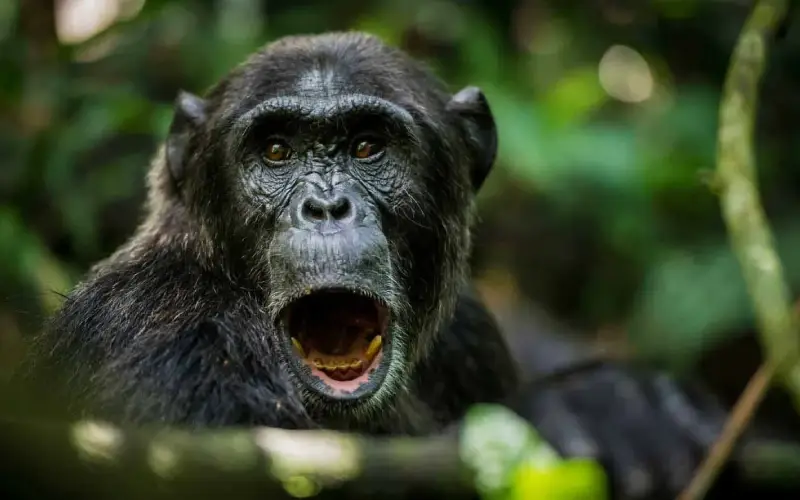
Photo Gallery of Kibale National Park

Map of Kibale National Park

Photo Gallery of Kibale National Park

Main Park Map