You are here:

Katonga Wildlife Reserve

Katonga WR

Overview

Wildlife

Birds

Best Time To Visit

Weather & Climate

Getting There

Malaria & Safety

Accommodations

Overview – Katonga WR
Katonga National Park, formerly known as Katonga Wildlife Reserve, takes its name from the river along its southern boundary. Located in western Uganda, about 235 km (145 mi) from Kampala, it is one of the country’s least-visited protected areas. The park is home to diverse birdlife and a smaller range of large mammals. With no internal roads and boat safaris no longer offered, Katonga can only be explored on guided walks.
Queen Elizabeth - Bush2City (5)
Best Time To Go
June to August and December to February (Dry seasons)
High Season
June to September (Peak time for Uganda)
Size
210km² / 81mi²
Altitude
1,184-1,367m / 3,885-4,485ft
Pros & Cons
Guided nature walks are offered for visitors.
One of the rare locations in East Africa to spot the elusive sitatunga antelope.
Offers a remote, off-the-beaten-track experience.
Excellent opportunities to observe waterbirds in their natural habitat.
Accommodation is limited to a single basic campsite.
Wildlife densities are generally low, making sightings more special and rarer.
Wildlife
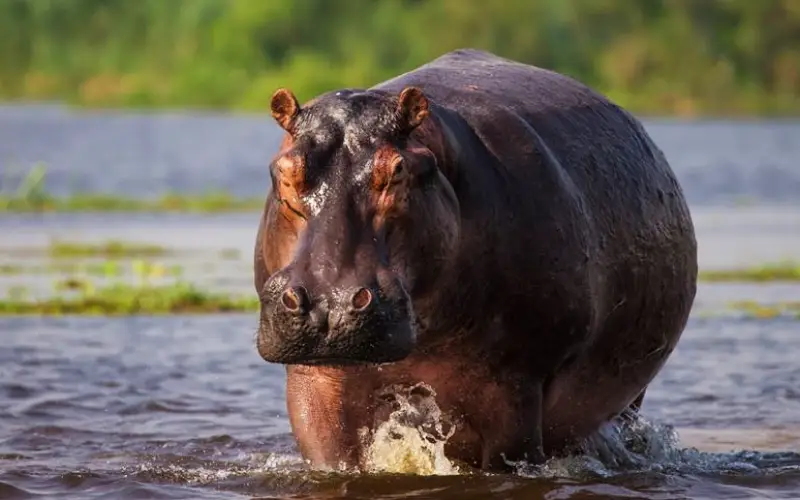
Katonga hosts a variety of large mammals, including black-and-white colobus, vervet monkeys, defassa waterbuck, common duiker, bushbuck, impala, giant forest hog, and bushpig. The swampy areas are home to hippos and the rare sitatunga, though sightings are now unlikely due to the absence of boat trips. Elephants and buffalo are mostly detected through tracks and droppings. Birdwatching is excellent, with over 300 species recorded in the reserve.

Scenery
Katonga National Park lies in an ancient river valley that once drained west to the Atlantic. Today, the Katonga River marks the park’s southern boundary as it flows east into Lake Victoria. The park protects a mix of habitats, including rainforest, papyrus swamps, woodlands, and savannah.
Activities
Katonga is reachable by road, but there are no drivable tracks inside the park. Exploration is only possible on guided walks, ideally in the early morning to maximize wildlife and birdwatching opportunities. Boat trips into the swamp are no longer offered due to hippo-related safety risks.
Weather & Climate
The weather and climate of Katonga National Park are similar to that of Uganda in general. More info:
Best Time To Visit
Katonga National Park is open year-round, with wildlife viewing at its best during the dry seasons from December to February and June to August.
Want To Visit Katonga WR
No data was found
Wildlife & Animals – Katonga WR
No data was found
Wildlife Highlights
Best Time for Wildlife Viewing
Want To Visit Katonga WR
No data was found
Wildlife Photos
Birds – Katonga WR

Notable Birds in Katonga WR

No data was found
Birding Specials – Treats for Avid Birders
No data was found
Best Time for Bird Watching
Want To Visit Katonga WR
No data was found
Facts & Figures

Bird Species

450+

Migratory Birds

Nov to Apr

Best Time To Visit – Katonga WR

Jan

Feb

Mar

Apr

May

Jun

Jul

Aug

Sep

Oct

Nov

Dec

No data was found
No data was found
No data was found
Want To Visit Katonga WR
No data was found
Wildlife Photos
Weather & Climate – Katonga WR
Want To Visit Katonga WR
No data was found
Katonga Wildlife Reserve
Katonga WR Photos
Queen Elizabeth - Bush2City (5)
Getting There – Katonga WR

Katonga lies closest to Kampala “as the crow flies,” but the 235 km (145 mi) drive typically takes 5–6 hours*. From Kampala, follow the paved Fort Portal Road west for 195 km (120 mi) to Kyegegwa, then turn onto a dirt road that may require a 4×4 after rain. While Katonga can fit easily into a standard Uganda itinerary, it is rarely included due to limited amenities and relatively low wildlife densities.

*Driving times are only a rough indication. You should always consider the possibility of significant delays.
Main Park Map
Airlines & Ticket Prices
No data was found
Domestic Flights
No data was found
Passport, Visa & Other Entry Requirements
Want To Visit Katonga WR
No data was found
Malaria & Safety – Katonga WR
Malaria & Vaccinations
Want To Visit Katonga WR
No data was found
Accommodations – Katonga WR
Want To Visit Katonga WR
No data was found
Overview – Katonga WR
Katonga National Park, formerly known as Katonga Wildlife Reserve, takes its name from the river along its southern boundary. Located in western Uganda, about 235 km (145 mi) from Kampala, it is one of the country’s least-visited protected areas. The park is home to diverse birdlife and a smaller range of large mammals. With no internal roads and boat safaris no longer offered, Katonga can only be explored on guided walks.
Queen Elizabeth - Bush2City (5)
Best Time To Go
June to August and December to February (Dry seasons)
High Season
June to September (Peak time for Uganda)
Size
210km² / 81mi²
Altitude
1,184-1,367m / 3,885-4,485ft
Pros & Cons
Guided nature walks are offered for visitors.
One of the rare locations in East Africa to spot the elusive sitatunga antelope.
Offers a remote, off-the-beaten-track experience.
Excellent opportunities to observe waterbirds in their natural habitat.
Accommodation is limited to a single basic campsite.
Wildlife densities are generally low, making sightings more special and rarer.
Wildlife
Katonga hosts a variety of large mammals, including black-and-white colobus, vervet monkeys, defassa waterbuck, common duiker, bushbuck, impala, giant forest hog, and bushpig. The swampy areas are home to hippos and the rare sitatunga, though sightings are now unlikely due to the absence of boat trips. Elephants and buffalo are mostly detected through tracks and droppings. Birdwatching is excellent, with over 300 species recorded in the reserve.
Scenery
Katonga National Park lies in an ancient river valley that once drained west to the Atlantic. Today, the Katonga River marks the park’s southern boundary as it flows east into Lake Victoria. The park protects a mix of habitats, including rainforest, papyrus swamps, woodlands, and savannah.
Weather & Climate
The weather and climate of Katonga National Park are similar to that of Uganda in general. More info:
Best Time To Visit
Katonga National Park is open year-round, with wildlife viewing at its best during the dry seasons from December to February and June to August.
Want To Visit Katonga WR
No data was found
Wildlife & Animals – Katonga WR
No data was found
Wildlife Highlights
Best Time for Wildlife Viewing
Want To Visit Katonga WR
No data was found
Wildlife Photos
Birds – Katonga WR

Notable Birds in Katonga WR

No data was found
Birding Specials – Treats for Avid Birders
No data was found
Best Time for Bird Watching
Want To Visit Katonga WR
No data was found
Facts & Figures

Bird Species

450+

Migratory Birds

Nov to Apr

Best Time To Visit – Katonga WR

Jan

Feb

Mar

Apr

May

Jun

Jul

Aug

Sep

Oct

Nov

Dec

No data was found
No data was found
No data was found
Want To Visit Katonga WR
No data was found
Wildlife Photos
Weather & Climate – Katonga WR
Want To Visit Katonga WR
No data was found
Katonga Wildlife Reserve
Katonga WR Photos
Queen Elizabeth - Bush2City (5)
Getting There – Katonga WR

Katonga lies closest to Kampala “as the crow flies,” but the 235 km (145 mi) drive typically takes 5–6 hours*. From Kampala, follow the paved Fort Portal Road west for 195 km (120 mi) to Kyegegwa, then turn onto a dirt road that may require a 4×4 after rain. While Katonga can fit easily into a standard Uganda itinerary, it is rarely included due to limited amenities and relatively low wildlife densities.

*Driving times are only a rough indication. You should always consider the possibility of significant delays.
Main Park Map
Airlines & Ticket Prices
No data was found
Domestic Flights
No data was found
Passport, Visa & Other Entry Requirements
Want To Visit Katonga WR
No data was found
Malaria & Safety – Katonga WR
Malaria & Vaccinations
Want To Visit Katonga WR
No data was found

Explore Katonga Wildlife Reserve Safari Tours

No data was found

Book your Kilimanjaro trek

Our team is always here to help

General Travel Safety Precautions

Embarking on an African safari promises an adventure of a lifetime, showcasing the continent’s rich wildlife, breathtaking landscapes, and diverse cultures. While safaris are widely considered safe, especially those organized through reputable tour operators, it’s prudent to take certain precautions to ensure a smooth and secure experience. Here are some essential safety tips to consider:

Cities & Urban Areas: Safety Precautions

Traveling through Africa offers an enriching experience filled with breathtaking landscapes, diverse cultures, and unparalleled wildlife encounters. While it’s generally safe, especially on organized tours or safaris, navigating urban environments requires a bit of savvy to ensure your trip remains worry-free. Here are some straightforward tips to keep in mind, whether you’re exploring bustling metropolises or serene landscapes:

Wildlife Viewing Safety Precautions

Exploring the wild through a safari adventure is an exhilarating experience that brings you closer to nature’s most fascinating wildlife. Whether you opt for a guided tour with an experienced professional or decide to navigate the trails on a self-drive journey, safety is paramount to ensure an enjoyable and incident-free adventure. Here are some essential safety guidelines and tips to help you navigate your safari safely:

Photo Gallery of Katonga Wildlife Reserve

Map of Katonga Wildlife Reserve

Photo Gallery of Katonga Wildlife Reserve

Main Park Map

Photo Gallery of Katonga Wildlife Reserve

Map of Katonga Wildlife Reserve

Photo Gallery

Photo Gallery

Photo Gallery