You are here:

Bigodi Wetland Sanctuary

Bigodi Wetland

Overview

Wildlife

Birds

Best Time To Visit

Weather & Climate

Getting There

Malaria & Safety

Accommodations

Overview – Bigodi Wetland
Established in 1992, Bigodi Wetland Sanctuary stands as a leading example of community-driven ecotourism in Uganda. This rich wetland ecosystem offers guided walking trails where visitors can encounter a remarkable diversity of forest-edge bird species and several primates that thrive along the borders of Kibale National Park.

Managed by the Kibale Association for Rural and Environmental Development (KAFRED), the sanctuary not only supports conservation and local livelihoods but also serves as a respected training ground for birding guides who go on to work across the country.
Bigodi Wetland - Bush2City (4)
Best Time To Go
January to February and June to July (Trails are driest)
High Season
June to September (Peak time for Uganda)
Size
2km² / 0.77mi²
Altitude
1,250-1,300m / 4,101-4,265ft
Pros & Cons
Renowned as one of the top forest birding destinations in Uganda
Highly skilled and knowledgeable local guides enhance the experience
Elevated boardwalk offers excellent chances to spot rare and localized swamp bird species
Ideal extension to chimpanzee trekking in Kibale National Park
Opportunity to see up to six primate species in a single guided walk
Option to combine the wetland trail with an authentic community visit
Affordable experience with strong conservation value
Revenue directly supports local community development initiatives
Trails can be muddy; gum boots are recommended (available free at reception)
Some areas of the wetland face pressure from encroachment and deforestation
Large iconic wildlife (Big Five) are not present, although elephants may occasionally pass through
Wildlife
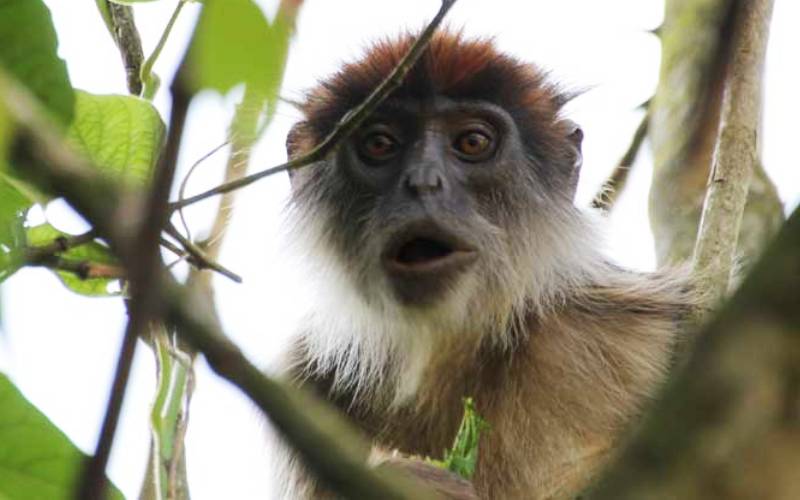
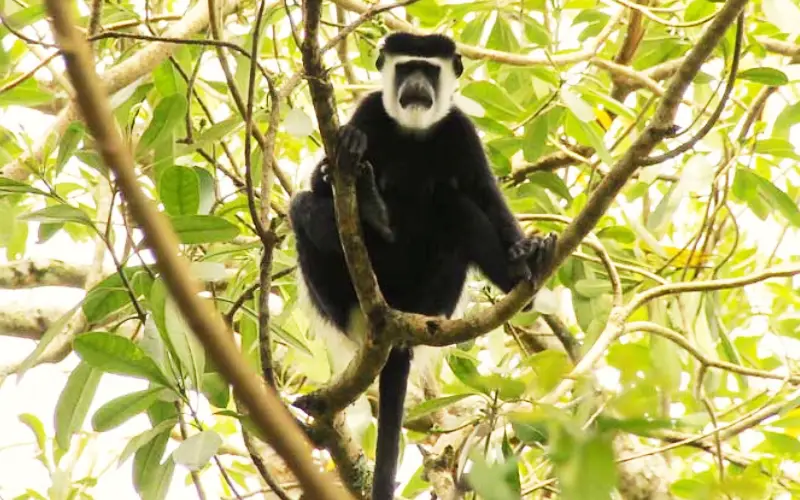
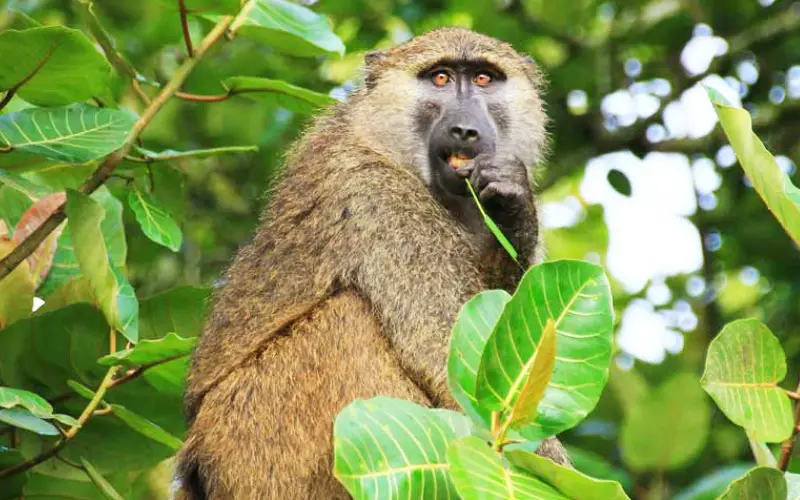
Bigodi Wetland Sanctuary offers exceptional primate and birdlife viewing, with many of the 13 primate species recorded in Kibale National Park regularly visiting the area. The most commonly seen species is the Ugandan red colobus, alongside black-and-white colobus, Uganda mangabey, red-tailed monkey, L’Hoest’s monkey, and blue monkey. Chimpanzees are occasional visitors, while resident antelope species include bushbuck and the elusive sitatunga.

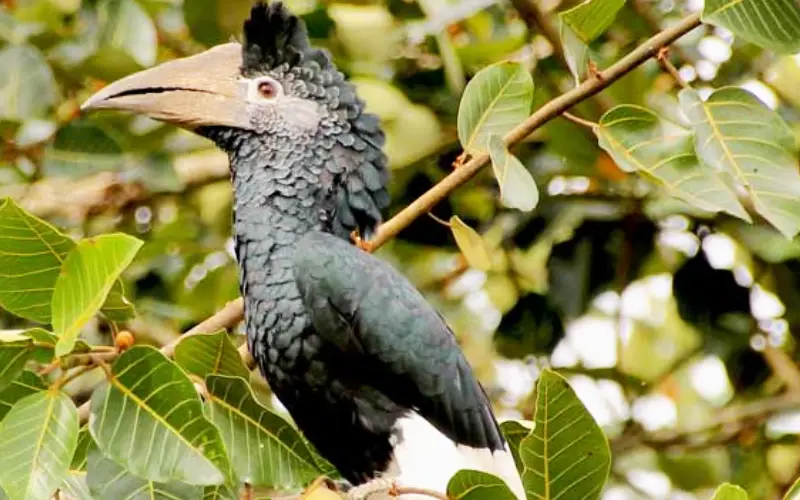
The sanctuary is also a haven for bird enthusiasts, with over 200 recorded species. Notable sightings often include the striking great blue turaco, Ross’s turaco, yellow-billed barbet, blue-throated roller, and the vibrant papyrus gonolek, making it one of Uganda’s most rewarding birding locations.
Scenery
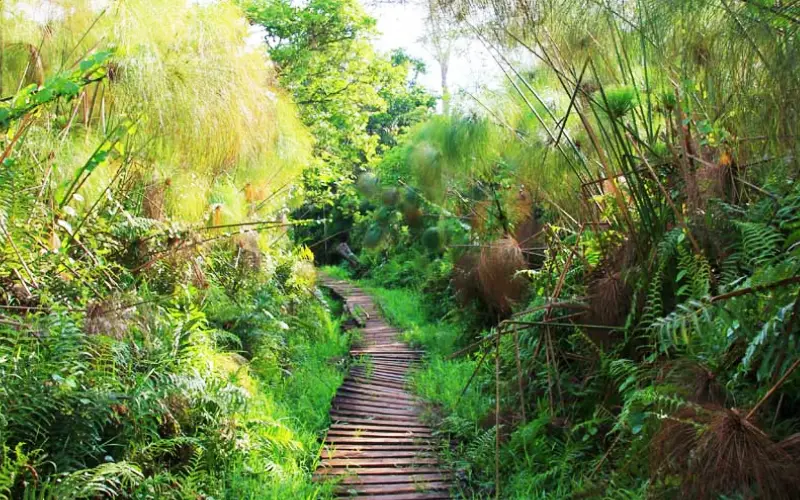
While Bigodi Wetland Sanctuary may not be considered conventionally scenic, it offers a uniquely immersive and atmospheric tropical experience. At its core lies a lush wetland dominated by dense papyrus and reed beds, creating a rich habitat for wildlife. This swampy landscape is beautifully framed by clusters of palm trees and surrounding tropical rainforest, giving the area a distinctive and memorable jungle character.
Activities
The primary activity at Bigodi Wetland Sanctuary is a guided nature walk along a 4.5 km (2.8 mi) trail. Led by highly knowledgeable and enthusiastic local guides, these walks offer excellent opportunities to observe the area’s rich biodiversity. During a typical excursion, visitors can expect to spot around 30 species of colorful forest-edge birds, along with several species of monkeys.

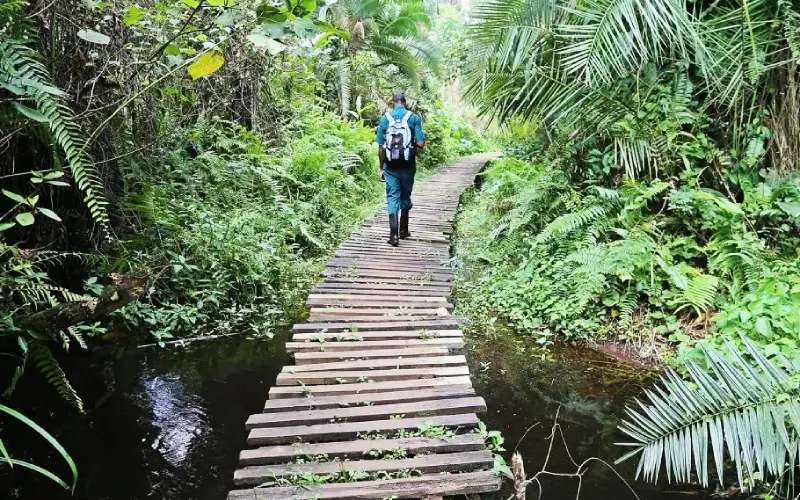
A highlight of the trail is the wooden boardwalk that passes through the heart of the papyrus swamp, where specialized species such as the papyrus gonolek and white-spotted flufftail can often be seen. For a more immersive cultural experience, the walk can also be extended to include visits to a traditional healer and local community elders, providing insight into the area’s heritage and way of life.
Weather & Climate
Bigodi Wetland Sanctuary enjoys a warm equatorial climate, characterized by minimal seasonal variation. Daily temperatures typically reach a maximum of around 26°C (79°F). Rainfall can occur throughout the year, though it is generally lightest in January, February, June, and July. The climate closely mirrors that of the adjacent Kibale National Park, creating similar conditions for wildlife and vegetation.
Best Time To Visit
Bigodi Wetland Sanctuary is home to a variety of resident bird species, making it a rewarding destination for birdwatching throughout the year. Chimpanzee tracking in the nearby Kibale National Park is also available year-round. However, the drier months—January, February, June, and July—generally provide the most comfortable walking conditions and easier trail access.
Want To Visit Bigodi Wetland
No data was found
​Wildlife & Animals – Bigodi Wetland
No data was found
Wildlife Highlights
Best Time for Wildlife Viewing
Want To Visit Bigodi Wetland
No data was found
Wildlife Photos
​Birds – Bigodi Wetland
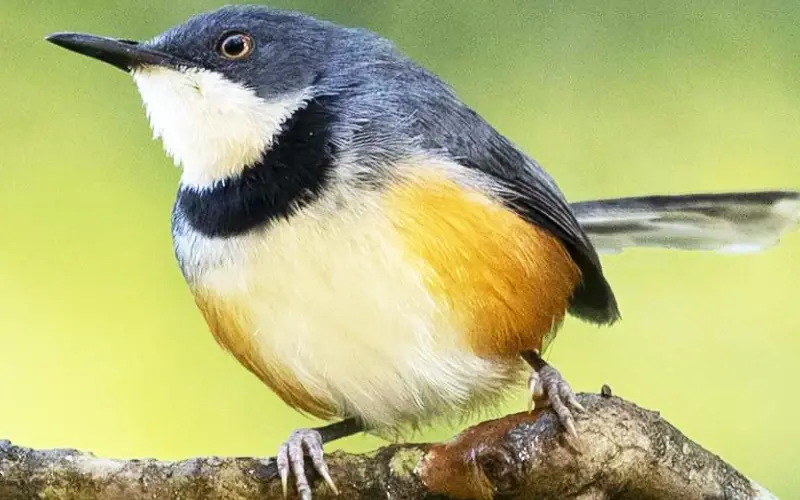
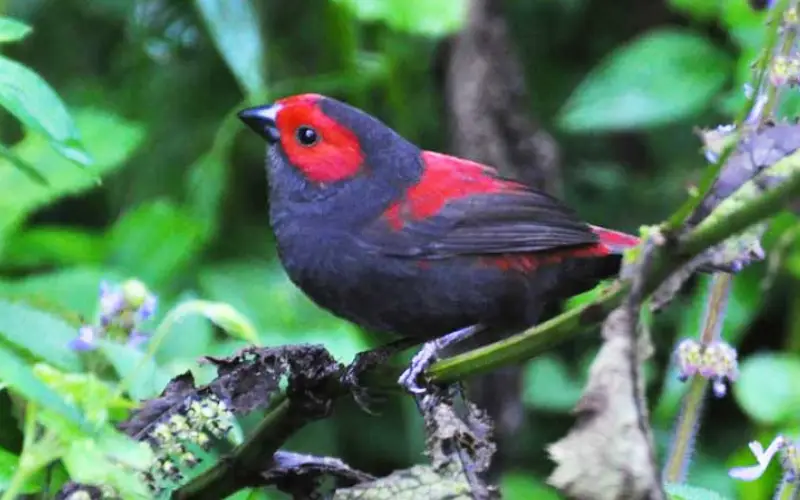
Bigodi Wetland Sanctuary ranks among Uganda’s most rewarding birding destinations. For casual birdwatchers, the sanctuary offers striking species such as the great blue turaco, double-toothed barbet, and snowy-crowned robin-chat. More experienced birders will find Bigodi ideal for spotting rarities like the yellow-billed barbet, red-headed bluebill, papyrus gonolek, and the recently described blue malkoha.

Despite its compact size of approximately 2 km² (0.77 mi²), the sanctuary has recorded over 200 bird species, encompassing most swamp and forest-edge species found in the adjacent Kibale National Park. This rich diversity makes Bigodi an essential stop for anyone seeking Uganda’s unique avian life.

Notable Birds in Bigodi Wetland

Great blue turaco
Common
Best Time for Bird Watching

As with the nearby Kibale National Park, nearly all the key bird species at Bigodi Wetland Sanctuary are resident and can be observed throughout the year. The prime months for birdwatching are March to May and September to November, when conditions are optimal. Migratory species typically arrive between November and April, adding further diversity to the sanctuary’s already rich avian population.

Want To Visit Bigodi Wetland
No data was found
Facts & Figures

Bird Species

450+

Migratory Birds

Nov to Apr

Best Time To Visit – Bigodi Wetland

Jan

Feb

Mar

Apr

May

Jun

Jul

Aug

Sep

Oct

Nov

Dec

No data was found
No data was found
No data was found
Want To Visit Bigodi Wetland
No data was found
Wildlife Photos
Weather & Climate – Bigodi Wetland
Want To Visit Bigodi Wetland
No data was found
Bigodi Wetland Sanctuary
Bigodi Wetland Photos
Bigodi Wetland - Bush2City (4)
​Getting There – Bigodi Wetland

Bigodi Wetland Sanctuary lies adjacent to Kibale National Park, approximately 37 km (23 mi) southeast of Fort Portal. The drive typically takes 45–50* minutes along a well-maintained road. About 4 km (2.5 mi) before reaching the sanctuary, you will pass the Kanyanchu chimpanzee trekking trailhead on the left.


Visitors should note that several other signposted locations in the Bigodi area offer swamp walks at lower prices, but these are generally less rewarding. To ensure the best experience, make sure to stop at the correct office, clearly signposted for the Kibale Association for Rural and Environmental Development (KAFRED).

*Driving times are only a rough indication. You should always consider the possibility of significant delays.
Main Park Map
Airlines & Ticket Prices
No data was found
Domestic Flights
No data was found
Passport, Visa & Other Entry Requirements
Want To Visit Bigodi Wetland
No data was found
​Malaria & Safety – Bigodi Wetland
Malaria & Vaccinations
Want To Visit Bigodi Wetland
No data was found
Accommodations – Bigodi Wetland
Want To Visit Bigodi Wetland
No data was found
Overview – Bigodi Wetland
Established in 1992, Bigodi Wetland Sanctuary stands as a leading example of community-driven ecotourism in Uganda. This rich wetland ecosystem offers guided walking trails where visitors can encounter a remarkable diversity of forest-edge bird species and several primates that thrive along the borders of Kibale National Park.

Managed by the Kibale Association for Rural and Environmental Development (KAFRED), the sanctuary not only supports conservation and local livelihoods but also serves as a respected training ground for birding guides who go on to work across the country.
Bigodi Wetland - Bush2City (4)
Best Time To Go
January to February and June to July (Trails are driest)
High Season
June to September (Peak time for Uganda)
Size
2km² / 0.77mi²
Altitude
1,250-1,300m / 4,101-4,265ft
Pros & Cons
Renowned as one of the top forest birding destinations in Uganda
Highly skilled and knowledgeable local guides enhance the experience
Elevated boardwalk offers excellent chances to spot rare and localized swamp bird species
Ideal extension to chimpanzee trekking in Kibale National Park
Opportunity to see up to six primate species in a single guided walk
Option to combine the wetland trail with an authentic community visit
Affordable experience with strong conservation value
Revenue directly supports local community development initiatives
Trails can be muddy; gum boots are recommended (available free at reception)
Some areas of the wetland face pressure from encroachment and deforestation
Large iconic wildlife (Big Five) are not present, although elephants may occasionally pass through
Wildlife
Bigodi Wetland Sanctuary offers exceptional primate and birdlife viewing, with many of the 13 primate species recorded in Kibale National Park regularly visiting the area. The most commonly seen species is the Ugandan red colobus, alongside black-and-white colobus, Uganda mangabey, red-tailed monkey, L’Hoest’s monkey, and blue monkey. Chimpanzees are occasional visitors, while resident antelope species include bushbuck and the elusive sitatunga.

The sanctuary is also a haven for bird enthusiasts, with over 200 recorded species. Notable sightings often include the striking great blue turaco, Ross’s turaco, yellow-billed barbet, blue-throated roller, and the vibrant papyrus gonolek, making it one of Uganda’s most rewarding birding locations.
Scenery
While Bigodi Wetland Sanctuary may not be considered conventionally scenic, it offers a uniquely immersive and atmospheric tropical experience. At its core lies a lush wetland dominated by dense papyrus and reed beds, creating a rich habitat for wildlife. This swampy landscape is beautifully framed by clusters of palm trees and surrounding tropical rainforest, giving the area a distinctive and memorable jungle character.
Weather & Climate
Bigodi Wetland Sanctuary enjoys a warm equatorial climate, characterized by minimal seasonal variation. Daily temperatures typically reach a maximum of around 26°C (79°F). Rainfall can occur throughout the year, though it is generally lightest in January, February, June, and July. The climate closely mirrors that of the adjacent Kibale National Park, creating similar conditions for wildlife and vegetation.
Best Time To Visit
Bigodi Wetland Sanctuary is home to a variety of resident bird species, making it a rewarding destination for birdwatching throughout the year. Chimpanzee tracking in the nearby Kibale National Park is also available year-round. However, the drier months—January, February, June, and July—generally provide the most comfortable walking conditions and easier trail access.
Want To Visit Bigodi Wetland
No data was found
​Wildlife & Animals – Bigodi Wetland
No data was found
Wildlife Highlights
Best Time for Wildlife Viewing
Want To Visit Bigodi Wetland
No data was found
Wildlife Photos
​Birds – Bigodi Wetland
Bigodi Wetland Sanctuary ranks among Uganda’s most rewarding birding destinations. For casual birdwatchers, the sanctuary offers striking species such as the great blue turaco, double-toothed barbet, and snowy-crowned robin-chat. More experienced birders will find Bigodi ideal for spotting rarities like the yellow-billed barbet, red-headed bluebill, papyrus gonolek, and the recently described blue malkoha.

Despite its compact size of approximately 2 km² (0.77 mi²), the sanctuary has recorded over 200 bird species, encompassing most swamp and forest-edge species found in the adjacent Kibale National Park. This rich diversity makes Bigodi an essential stop for anyone seeking Uganda’s unique avian life.

Notable Birds in Bigodi Wetland

Great blue turaco
Common
Best Time for Bird Watching

As with the nearby Kibale National Park, nearly all the key bird species at Bigodi Wetland Sanctuary are resident and can be observed throughout the year. The prime months for birdwatching are March to May and September to November, when conditions are optimal. Migratory species typically arrive between November and April, adding further diversity to the sanctuary’s already rich avian population.

Want To Visit Bigodi Wetland
No data was found
Facts & Figures

Bird Species

450+

Migratory Birds

Nov to Apr

Best Time To Visit – Bigodi Wetland

Jan

Feb

Mar

Apr

May

Jun

Jul

Aug

Sep

Oct

Nov

Dec

No data was found
No data was found
No data was found
Want To Visit Bigodi Wetland
No data was found
Wildlife Photos
Weather & Climate – Bigodi Wetland
Want To Visit Bigodi Wetland
No data was found
Bigodi Wetland Sanctuary
Bigodi Wetland Photos
Bigodi Wetland - Bush2City (4)
​Getting There – Bigodi Wetland

Bigodi Wetland Sanctuary lies adjacent to Kibale National Park, approximately 37 km (23 mi) southeast of Fort Portal. The drive typically takes 45–50* minutes along a well-maintained road. About 4 km (2.5 mi) before reaching the sanctuary, you will pass the Kanyanchu chimpanzee trekking trailhead on the left.


Visitors should note that several other signposted locations in the Bigodi area offer swamp walks at lower prices, but these are generally less rewarding. To ensure the best experience, make sure to stop at the correct office, clearly signposted for the Kibale Association for Rural and Environmental Development (KAFRED).

*Driving times are only a rough indication. You should always consider the possibility of significant delays.
Main Park Map
Airlines & Ticket Prices
No data was found
Domestic Flights
No data was found
Passport, Visa & Other Entry Requirements
Want To Visit Bigodi Wetland
No data was found
​Malaria & Safety – Bigodi Wetland
Malaria & Vaccinations
Want To Visit Bigodi Wetland
No data was found

Explore Bigodi Wetland Sanctuary Safari Tours

No data was found

Book your Kilimanjaro trek

Our team is always here to help

General Travel Safety Precautions

Embarking on an African safari promises an adventure of a lifetime, showcasing the continent’s rich wildlife, breathtaking landscapes, and diverse cultures. While safaris are widely considered safe, especially those organized through reputable tour operators, it’s prudent to take certain precautions to ensure a smooth and secure experience. Here are some essential safety tips to consider:

Cities & Urban Areas: Safety Precautions

Traveling through Africa offers an enriching experience filled with breathtaking landscapes, diverse cultures, and unparalleled wildlife encounters. While it’s generally safe, especially on organized tours or safaris, navigating urban environments requires a bit of savvy to ensure your trip remains worry-free. Here are some straightforward tips to keep in mind, whether you’re exploring bustling metropolises or serene landscapes:

Wildlife Viewing Safety Precautions

Exploring the wild through a safari adventure is an exhilarating experience that brings you closer to nature’s most fascinating wildlife. Whether you opt for a guided tour with an experienced professional or decide to navigate the trails on a self-drive journey, safety is paramount to ensure an enjoyable and incident-free adventure. Here are some essential safety guidelines and tips to help you navigate your safari safely:
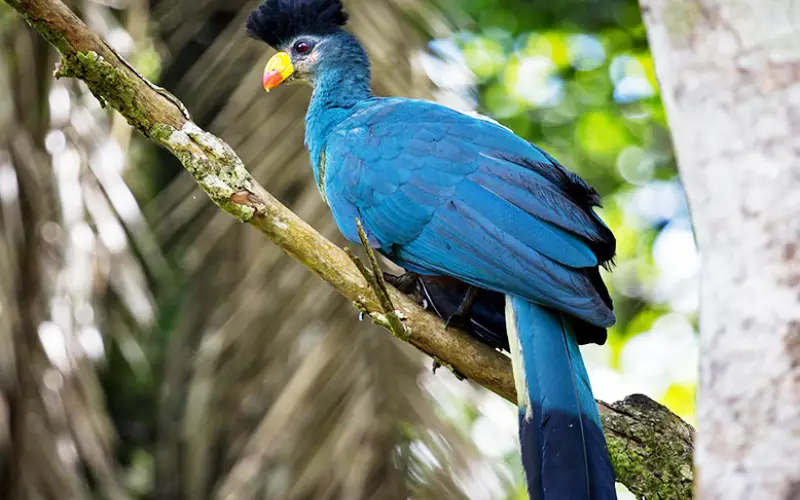
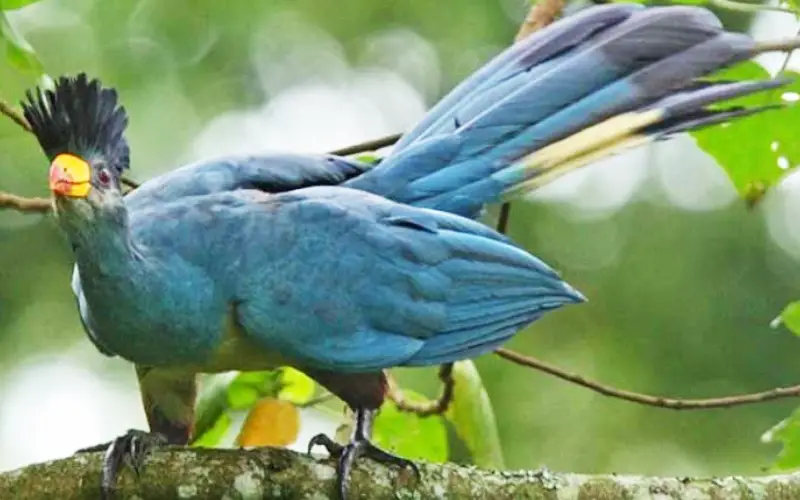
Photo Gallery of Bigodi Wetland Sanctuary

Map of Bigodi Wetland Sanctuary

Photo Gallery of Bigodi Wetland Sanctuary

Main Park Map