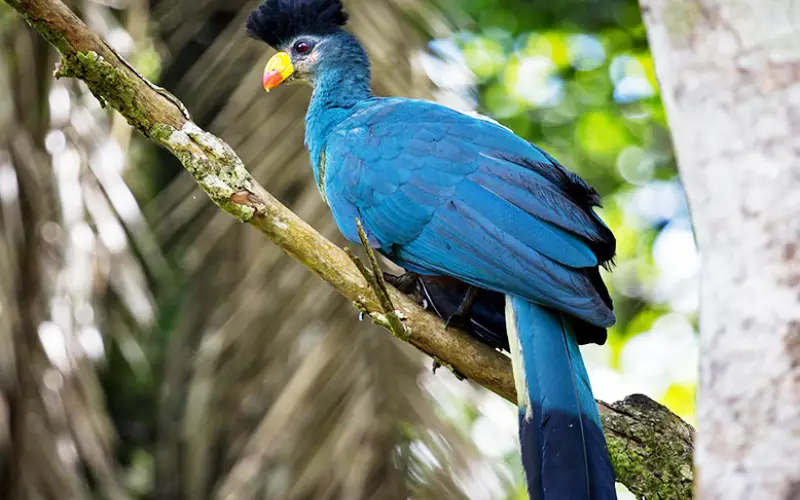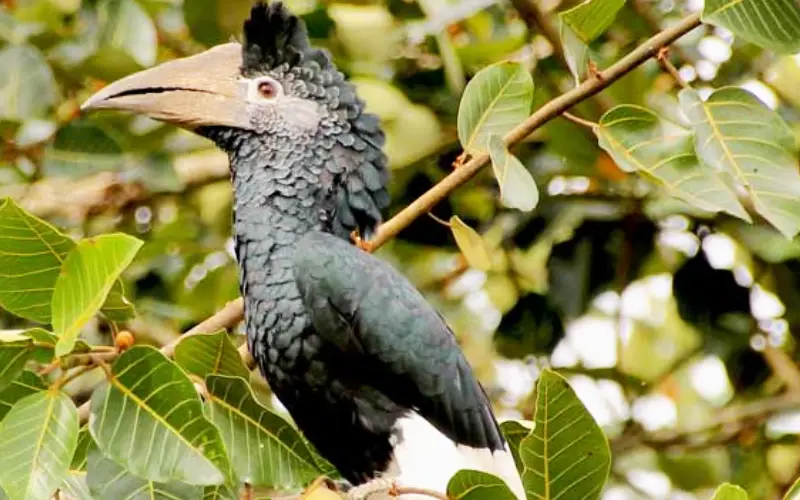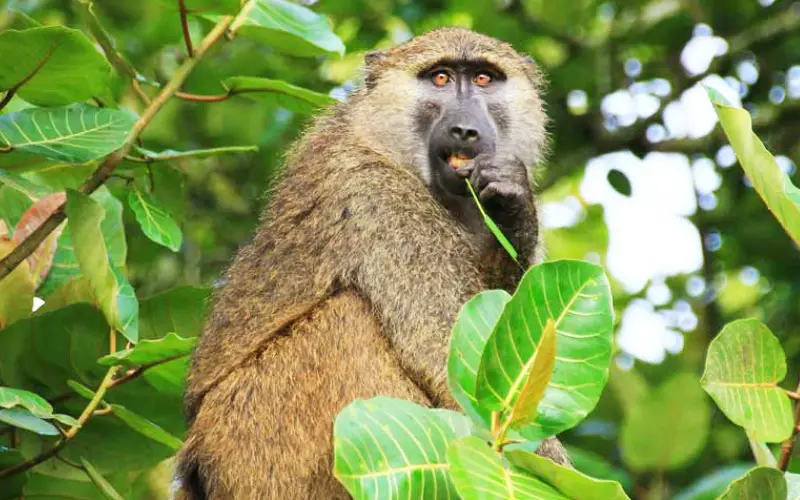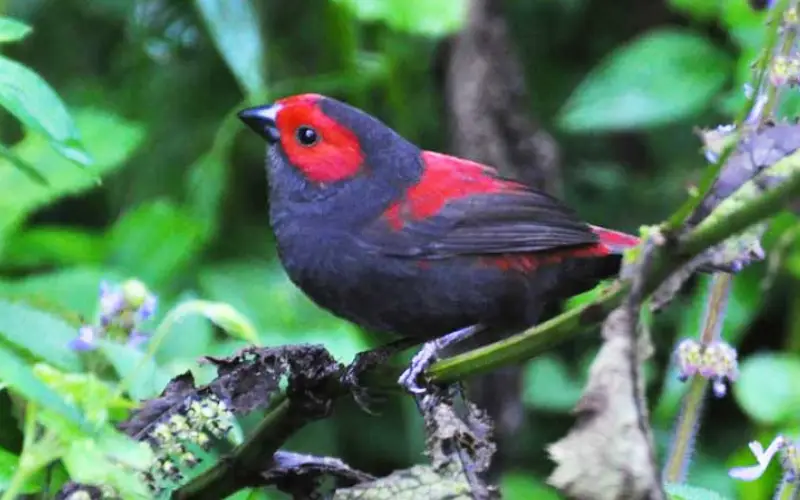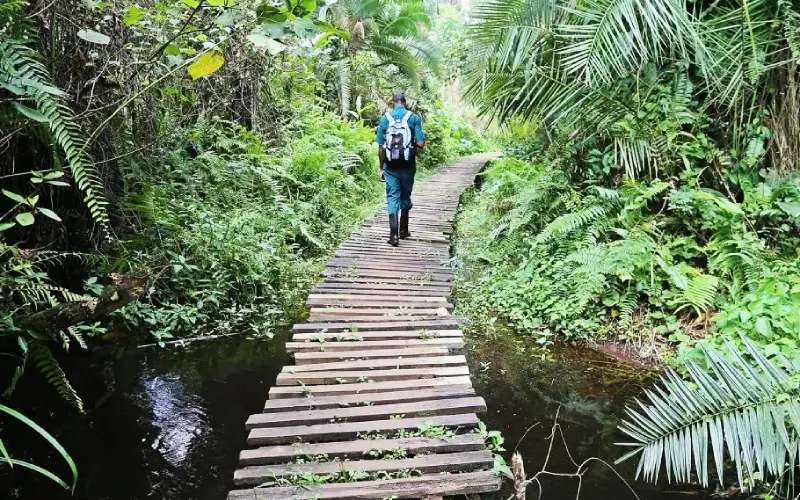


As with the nearby Kibale National Park, nearly all the key bird species at Bigodi Wetland Sanctuary are resident and can be observed throughout the year. The prime months for birdwatching are March to May and September to November, when conditions are optimal. Migratory species typically arrive between November and April, adding further diversity to the sanctuary’s already rich avian population.
450+
Nov to Apr

Bigodi Wetland Sanctuary lies adjacent to Kibale National Park, approximately 37 km (23 mi) southeast of Fort Portal. The drive typically takes 45–50* minutes along a well-maintained road. About 4 km (2.5 mi) before reaching the sanctuary, you will pass the Kanyanchu chimpanzee trekking trailhead on the left.
Visitors should note that several other signposted locations in the Bigodi area offer swamp walks at lower prices, but these are generally less rewarding. To ensure the best experience, make sure to stop at the correct office, clearly signposted for the Kibale Association for Rural and Environmental Development (KAFRED).
As with the nearby Kibale National Park, nearly all the key bird species at Bigodi Wetland Sanctuary are resident and can be observed throughout the year. The prime months for birdwatching are March to May and September to November, when conditions are optimal. Migratory species typically arrive between November and April, adding further diversity to the sanctuary’s already rich avian population.
450+
Nov to Apr
Bigodi Wetland Sanctuary lies adjacent to Kibale National Park, approximately 37 km (23 mi) southeast of Fort Portal. The drive typically takes 45–50* minutes along a well-maintained road. About 4 km (2.5 mi) before reaching the sanctuary, you will pass the Kanyanchu chimpanzee trekking trailhead on the left.
Visitors should note that several other signposted locations in the Bigodi area offer swamp walks at lower prices, but these are generally less rewarding. To ensure the best experience, make sure to stop at the correct office, clearly signposted for the Kibale Association for Rural and Environmental Development (KAFRED).
Embarking on an African safari promises an adventure of a lifetime, showcasing the continent’s rich wildlife, breathtaking landscapes, and diverse cultures. While safaris are widely considered safe, especially those organized through reputable tour operators, it’s prudent to take certain precautions to ensure a smooth and secure experience. Here are some essential safety tips to consider:
Traveling through Africa offers an enriching experience filled with breathtaking landscapes, diverse cultures, and unparalleled wildlife encounters. While it’s generally safe, especially on organized tours or safaris, navigating urban environments requires a bit of savvy to ensure your trip remains worry-free. Here are some straightforward tips to keep in mind, whether you’re exploring bustling metropolises or serene landscapes:
Exploring the wild through a safari adventure is an exhilarating experience that brings you closer to nature’s most fascinating wildlife. Whether you opt for a guided tour with an experienced professional or decide to navigate the trails on a self-drive journey, safety is paramount to ensure an enjoyable and incident-free adventure. Here are some essential safety guidelines and tips to help you navigate your safari safely: