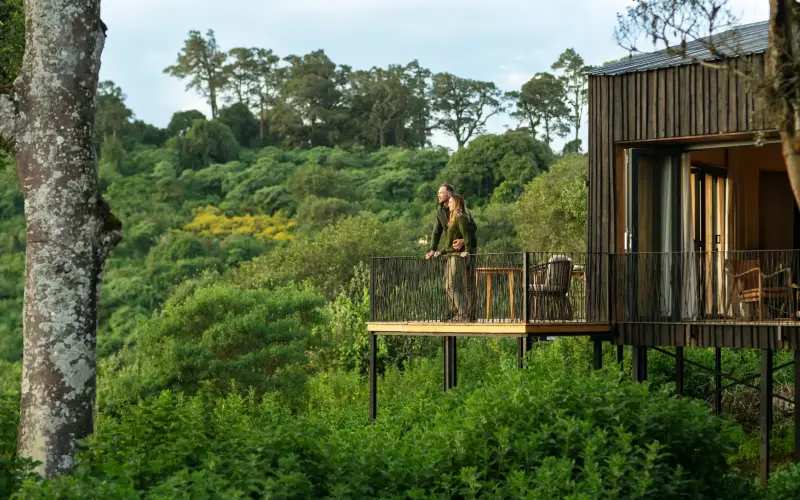
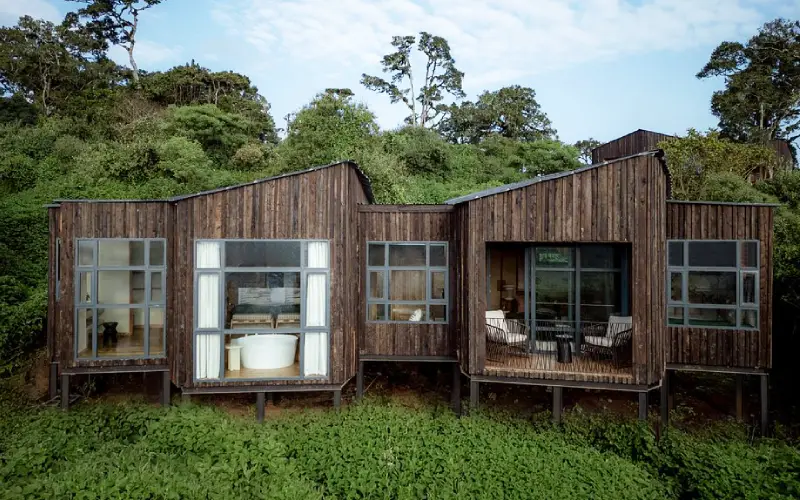
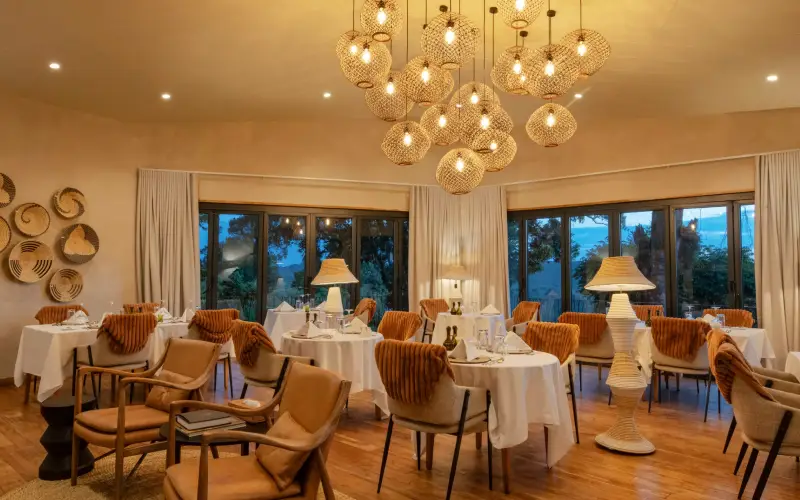
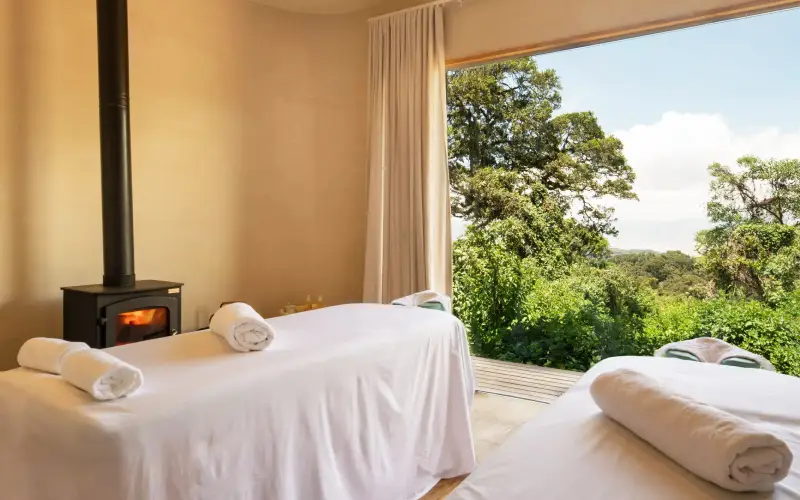
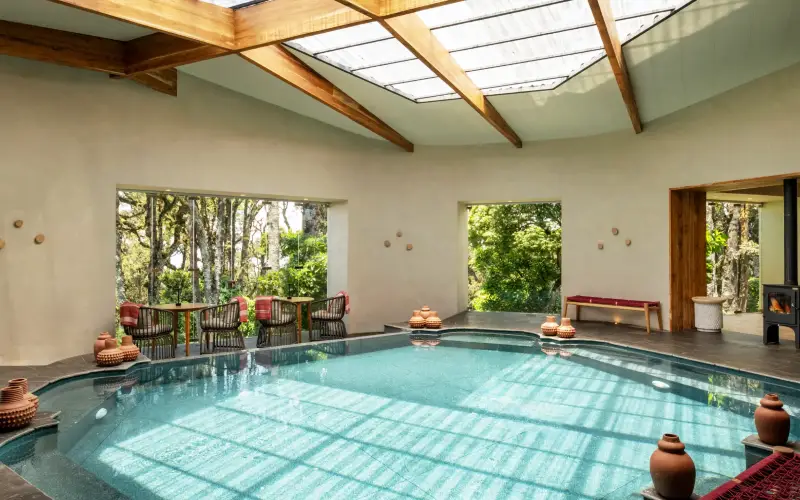
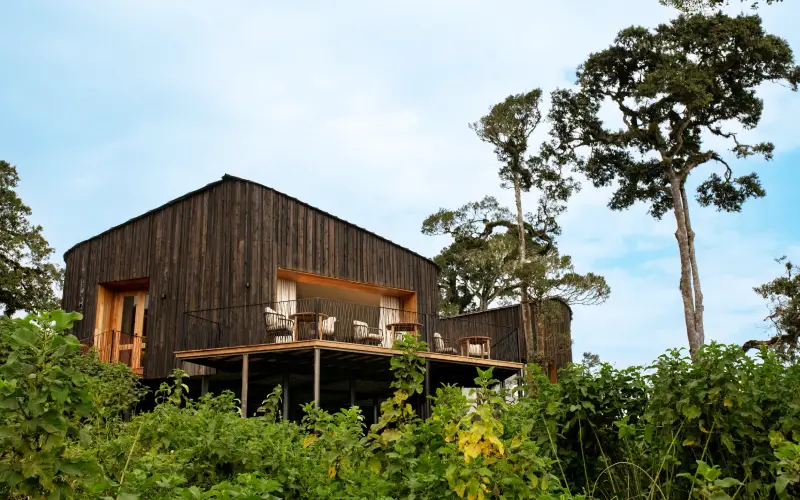
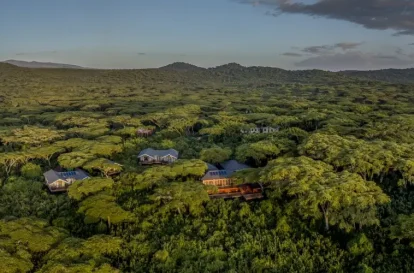
Lemala Osonjoi Lodge stands as the crowning jewel of Lemala’s prestigious circuit, seamlessly linking Arusha and Tarangire to the legendary Serengeti. Perfectly positioned near the Lemala Gate, the lodge offers exclusive access to the eastern quadrant of the Ngorongoro Crater—a world-renowned sanctuary of wildlife. By staying in this secluded sector, guests enjoy a private vantage point during the critical dawn and dusk hours, far from the crowds, in the heart of the world’s largest volcanic caldera.
Accommodations Highlights
Area
Ngorongoro
Guests
40
Bedrooms
18
Bathrooms
En-suite bathrooms
Pets
Not Allowed
Smoking
Non-Smocking Rooms
Accommodations at Osonjoi Lodge
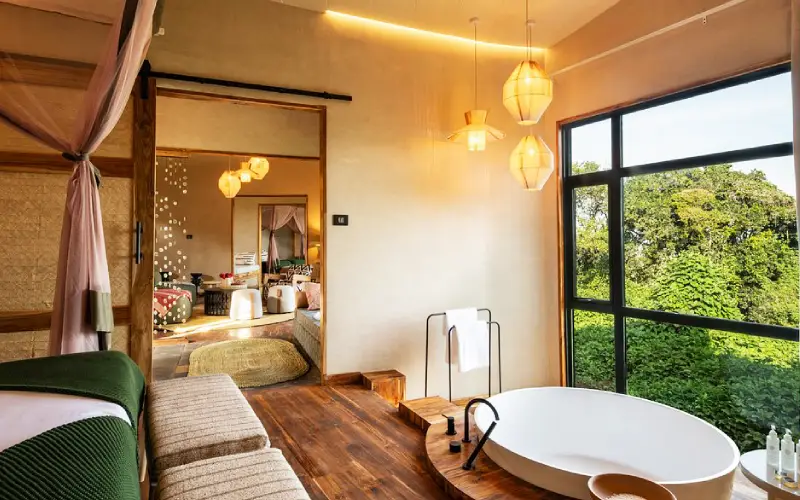
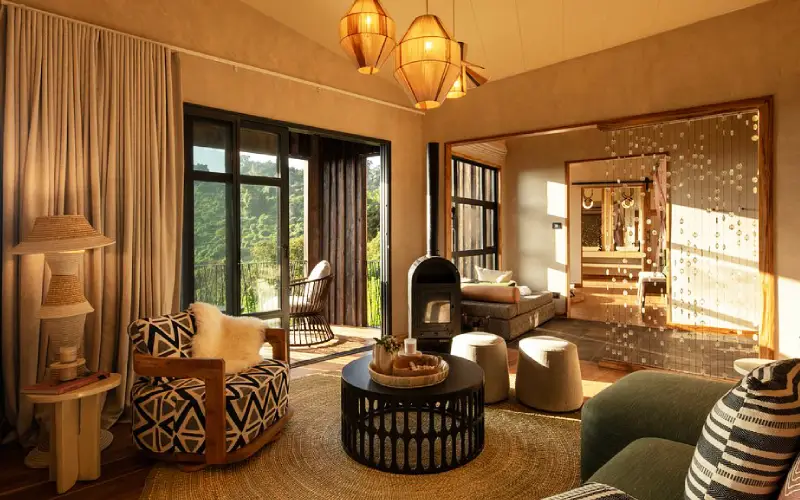
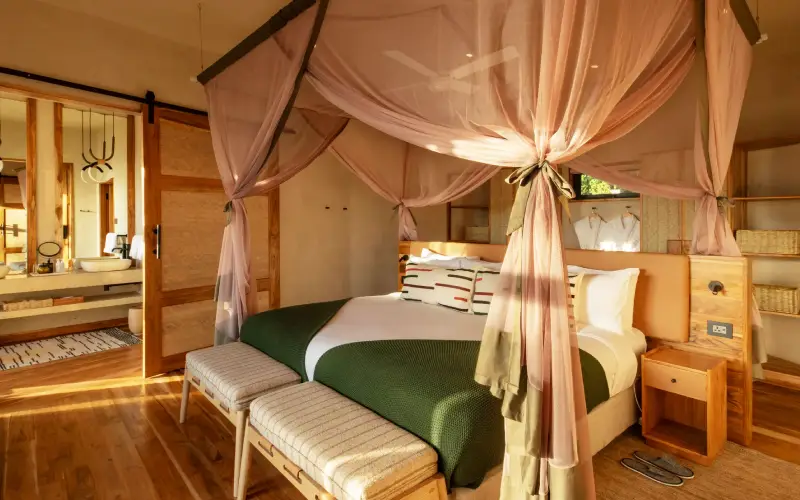
The suites at Lemala Osonjoi are among the most expansive and ethereal in the Ngorongoro Conservation Area. Designed as a light-filled haven, each retreat features grand picture windows that invite the soft highland glow to illuminate views of the ancient forest.
At the heart of your suite lies a stately king-size bed adorned with winter-weight duvets. As the evening chill settles over the crater rim, the atmosphere is transformed by the amber glow of a slow-burning wood stove, complemented by bespoke evening touches to ensure a cozy, restorative sleep. The generous en-suite sanctuary includes a dedicated dressing gallery and a spacious walk-in rain shower, offering a seamless blend of sophisticated comfort and wild, forest-rimmed serenity.
Accommodations Rules
A note for families & children
Osonjoi is a prestigious and celebrated safari brand featuring an exclusive Wilderness Club, where younger guests can explore and discover the wild under the tutelage of the industry’s finest guides.
Amenities at Osonjoi Lodge
Game Drives
Walking Safari
Maasai Village Visit
In-Room Amenities at Osonjoi Lodge
Swimming Poo
WiFi
Spa Treatments
Laundry
House drinks
Location Map
Activities and Attractions at Osonjoi Lodge
To maximize the magic of the wild, Lemala Osonjoi prioritizes the golden hours of dawn and dusk. Guests enjoy a distinct advantage, descending to the Crater floor in a mere 15 minutes—a crucial privilege for photographers seeking the world’s most exquisite light. For a deeper connection, explore the ancient forest and crater rim on exclusive escorted walks led by an armed ranger and Maasai guide.
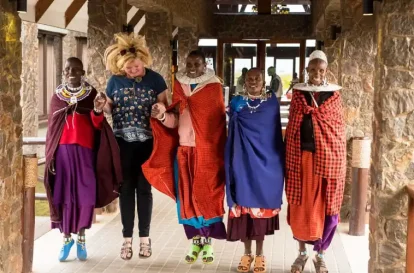
Whether arriving via a scenic drive from Arusha or a thrilling landing at the Manyara Airstrip, the journey is effortless. Named for the sacred trees that grace these hills, Osonjoi honors the medicinal and symbolic heritage of the Maasai, embodying Lemala’s commitment to the land and its people.
Nestled within the prestigious Ngorongoro Conservation Area, Lion’s Paw is a refined sanctuary perched at the very threshold of the world’s most famous caldera. Positioned a mere ten minutes from the Crater floor, the camp offers an elite advantage for those wishing to witness the first light of dawn over the Big Five and the region’s vibrant, rare birdlife.
Beyond the thrill of private game drives, guests are invited to immerse themselves in the soulful rhythm of the highlands through curated cultural odysseys. As the golden hour fades, this tranquil haven transforms into a theater of the wild, where bespoke bush dinners are served under a canopy of stars—a sophisticated finale to a day of unparalleled African discovery.
Perched on a magnificent ridge overlooking the Ngorongoro Crater, O’ldeani Lodge is a masterclass in architectural dominance. Commanding a 360-degree view of the world’s largest intact caldera, this 40-acre estate serves as your private gateway to the Big Five.
Experience privileged, proximate access to the Crater floor—a theater of ancient volcanic walls where lions and giants roam. This is the heart of the wild, delivered with a level of sophistication and signature hospitality that leaves no room for compromise.
Retreat to a sanctuary where the infinity pool meets the horizon and the spa offers bespoke restoration. Between the thrill of the safari and the serenity of our lush gardens, O’ldeani offers a rare lightness of spirit. It is more than a stay; it is a position of prestige above the African plains.
Sanctuary Ngorongoro Crater Camp offers an exceptional experience because it is located right inside the Ngorongoro Conservation Area. This prime location makes it the perfect starting point for exploring the incredible wildlife that thrives on the crater floor.
The Ngorongoro Crater is truly remarkable, home to a vast population of around 25,000 animals. You can expect to see a wide variety of wildlife, including zebras, elephants, buffalo, warthogs, hippos, and wildebeest roaming freely within this natural enclosure. Importantly, the crater is also a haven for exciting Big Cat predators like lions, cheetahs, leopards, hyenas, and jackals, offering fantastic opportunities for wildlife viewing.