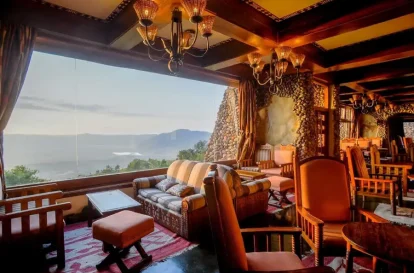
Nestled within the prestigious Ngorongoro Conservation Area, Lion’s Paw is a refined sanctuary perched at the very threshold of the world’s most famous caldera. Positioned a mere ten minutes from the Crater floor, the camp offers an elite advantage for those wishing to witness the first light of dawn over the Big Five and the region’s vibrant, rare birdlife.
Beyond the thrill of private game drives, guests are invited to immerse themselves in the soulful rhythm of the highlands through curated cultural odysseys. As the golden hour fades, this tranquil haven transforms into a theater of the wild, where bespoke bush dinners are served under a canopy of stars—a sophisticated finale to a day of unparalleled African discovery.
Accommodations Highlights
Area
Ngorongoro Crater
Guests
60
Bedrooms
30
Bathrooms
En-suite bathrooms
Pets
Not allowed
Smoking
Non-Smocking Rooms
Accommodations at Lion’s Paw Camp
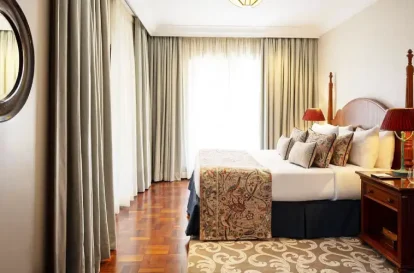
At Lion’s Paw, our suites are architectural echoes of the crater’s majesty—private sanctuaries designed to frame the iconic Ngorongoro landscapes in their most cinematic light. Each retreat offers unmatched panoramic views, where the mist of the highlands meets the vast, ancient floor of the caldera.
Adorned with bespoke furnishings that celebrate the soul of Tanzanian artistry, every suite is a masterclass in refined seclusion. Anticipate a stay where absolute serenity is wrapped in the quiet grandeur of the wild, offering a front-row seat to one of the world’s most prestigious natural wonders.
Accommodations Rules
A note for families & children
A great Family hideway
Amenities at Lion’s Paw Camp
Game Drive
Maasai Boma Visit
Bush Breakfast
Bush Lunch
Sundowner
Olduvai Gorge
Walking Safari
In-Room Amenities at Lion’s Paw Camp
WiFi
Private Balcony
Office Desk
Location Map
Activities and Attractions at Lion’s Paw Camp
Our grand caldera odyssey begins under the expert guidance of a Bush 2 City Safari Director, where scenic feasts and refined exploration unfold from the comfort of a premier 4×4. Together, we traverse the verdant trails of this “African Garden of Eden,” where a pink flush of flamingos graces the alkaline shores and prides of lions reign over the grassy crater floor. Here, the legendary Big Five—lion, leopard, elephant, buffalo, and the rare black rhino—thrive in a prestigious natural amphitheater of unmatched beauty.
Beyond the drive, connect deeply with the pulse of the savannah on an exclusive guided walking safari along the crater’s ancient pathways. For a profound cultural immersion, journey to a nearby Maasai village to experience the timeless heritage of one of Tanzania’s most iconic tribes. From the raw drama of the hunt to the soulful rhythm of local life, every moment is curated to offer an intimate encounter with the heart of the Ngorongoro.
Sanctuary Ngorongoro Crater Camp offers an exceptional experience because it is located right inside the Ngorongoro Conservation Area. This prime location makes it the perfect starting point for exploring the incredible wildlife that thrives on the crater floor.
The Ngorongoro Crater is truly remarkable, home to a vast population of around 25,000 animals. You can expect to see a wide variety of wildlife, including zebras, elephants, buffalo, warthogs, hippos, and wildebeest roaming freely within this natural enclosure. Importantly, the crater is also a haven for exciting Big Cat predators like lions, cheetahs, leopards, hyenas, and jackals, offering fantastic opportunities for wildlife viewing.
Perched on the rim of the ancient Ngorongoro Crater, Ngorongoro Serena Safari Lodge is your gateway to an unforgettable African adventure. Our stunning location provides the perfect starting point for a diverse range of activities.
Experience thrilling game drives on the Crater plains, a UNESCO World Heritage site known for its incredible wildlife concentration. Beyond the safari, you can enjoy guided nature walks, unique bush dining experiences, and cultural visits to local Maasai villages and cattle markets. We offer a variety of excursions designed to immerse you in the beauty and culture of this spectacular region.
The Fairmont Mount Kenya Safari Club offers a rare, heartwarming feature not found elsewhere: a remarkable Wildlife Rescue Center. Managed in partnership with the William Holden Wildlife Foundation, this facility is dedicated to the compassionate rehabilitation of animals found abandoned or injured in the wild. Many of the resident creatures are remarkably gentle, providing guests with the extraordinary privilege of interacting with them, including direct hand-feeding, petting, and supervised handling. This is an unparalleled opportunity for a close, meaningful encounter with resilient wildlife that has been given a second chance through the Club’s commitment.
The allure of this estate extends far beyond conservation. Established half a century ago by the legendary screen actor William Holden, the Club quickly became an exclusive destination for the world’s elite. Its continued magnetism stems from its perfect setting: a tranquil, temperate haven located at the majestic base of Mount Kenya. For decades, it has served as a glamorous retreat for political icons and cinematic greats, with esteemed members like Sir Winston Churchill, Clark Gable, and John Wayne seeking respite in its luxurious embrace. The Club’s history is interwoven with fame, offering a truly distinguished escape defined by natural beauty and a powerful, enduring legacy.