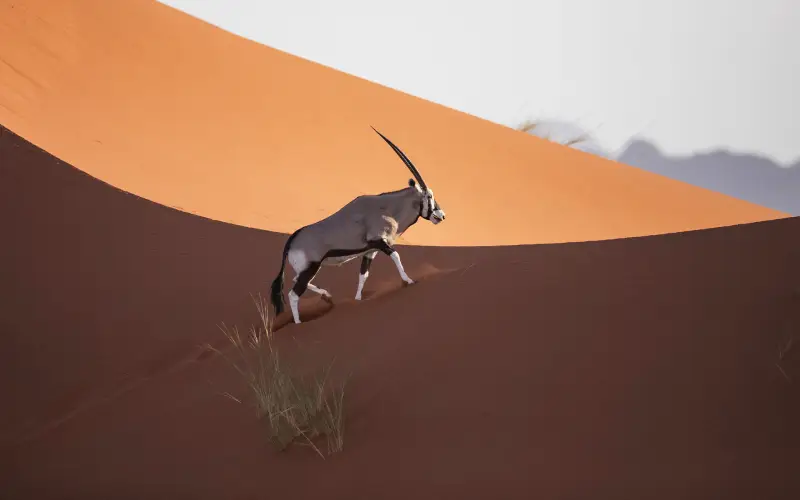
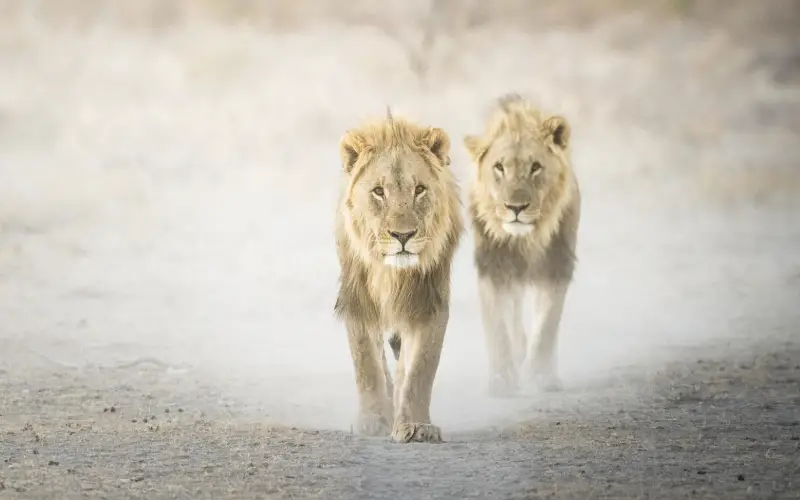
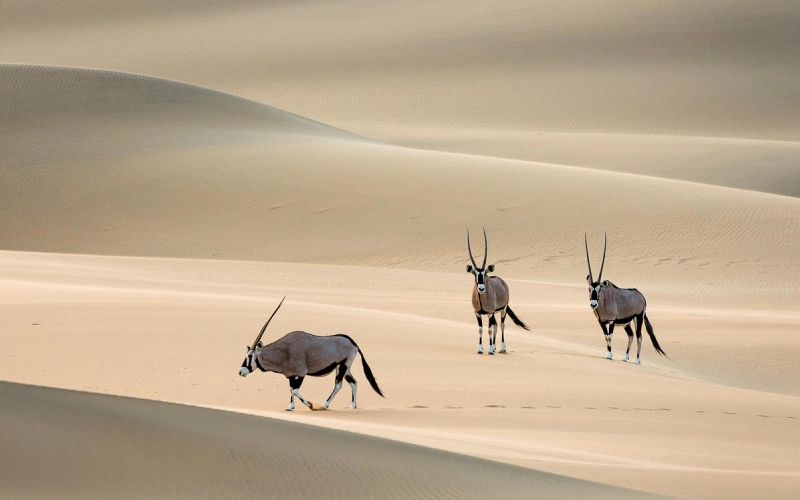
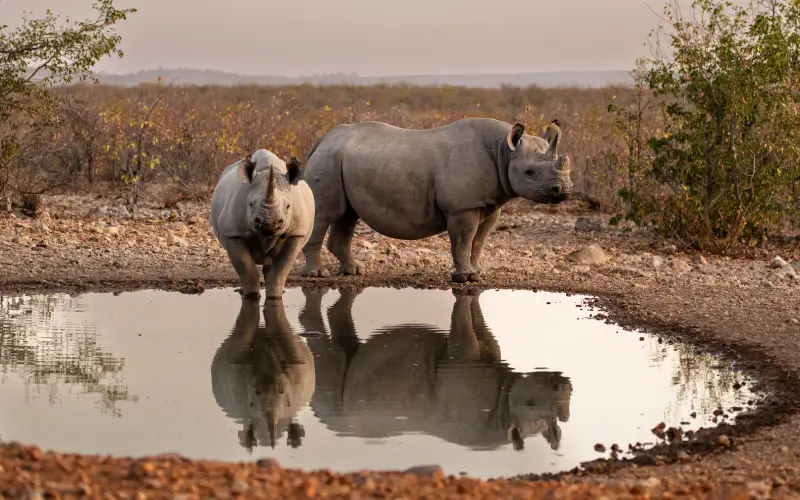
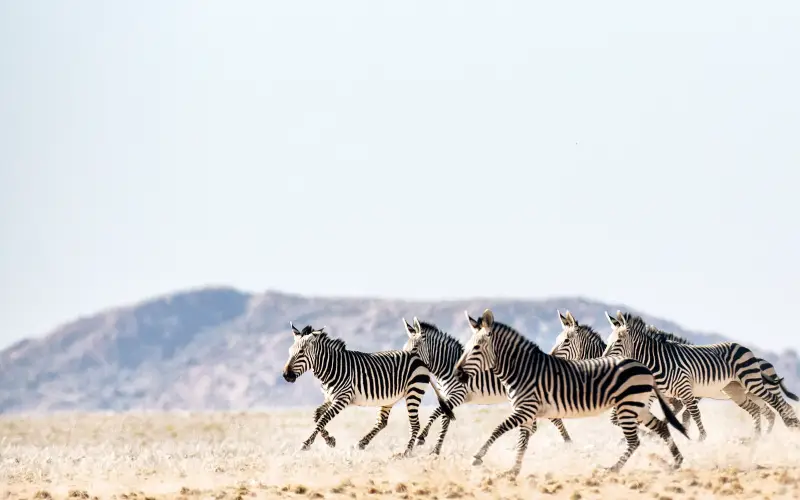
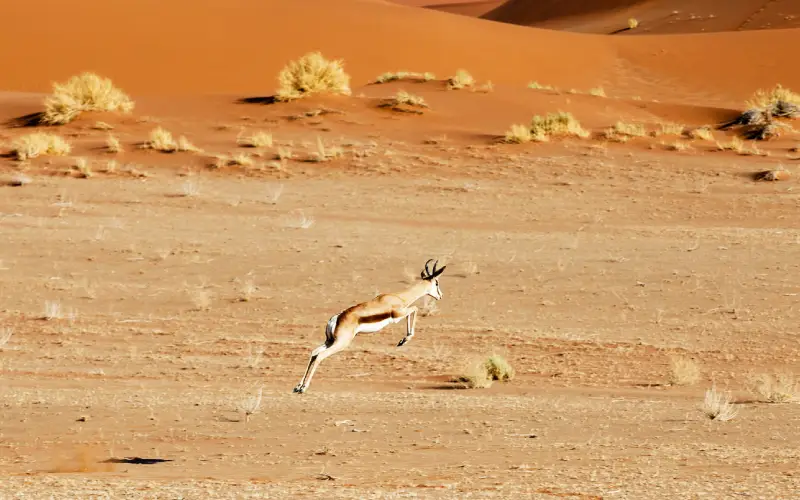
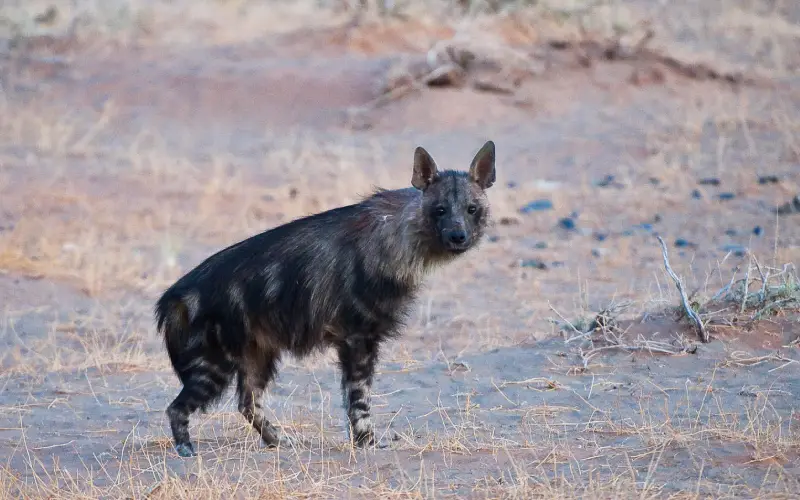
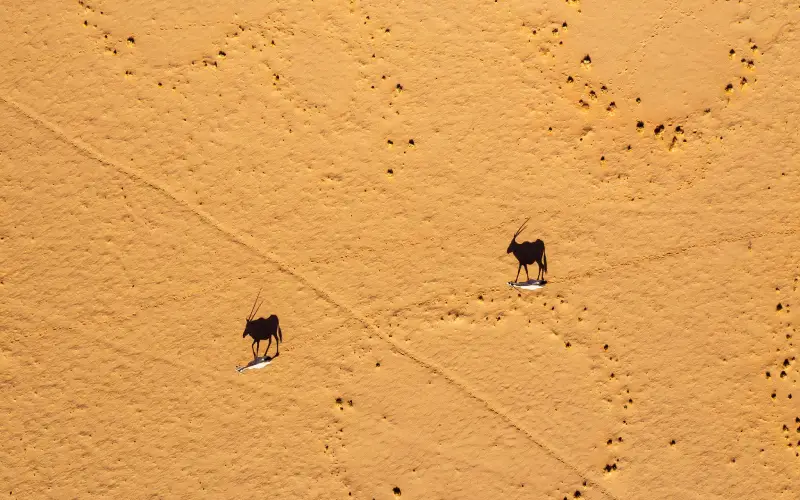
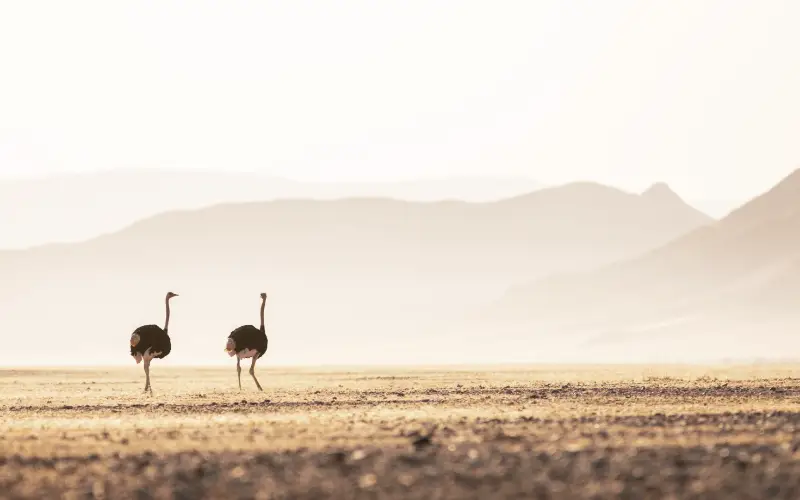
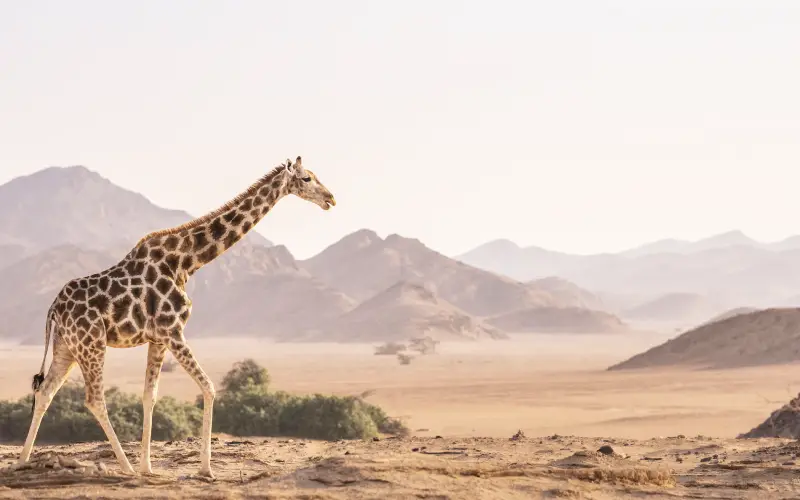
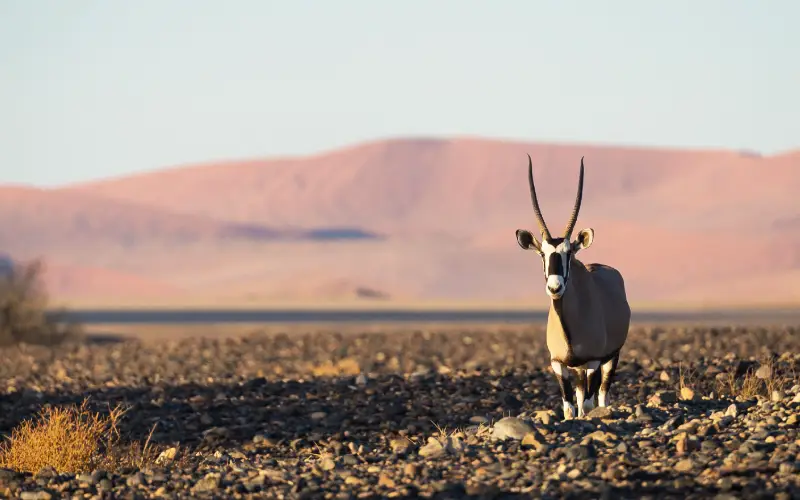
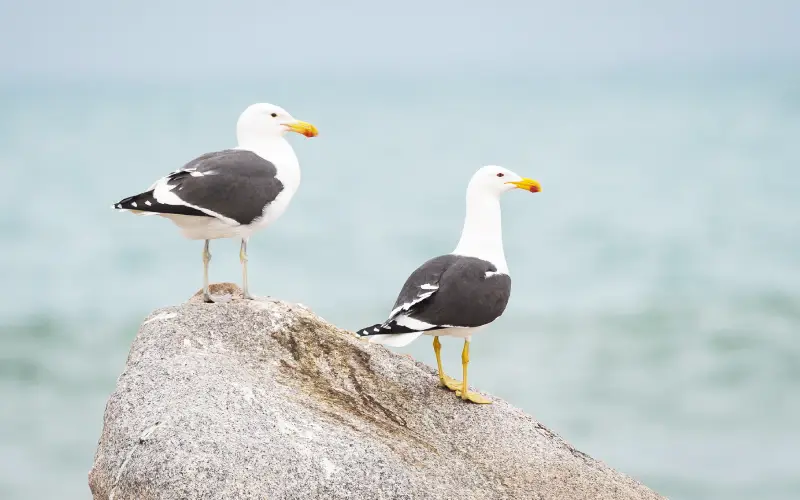
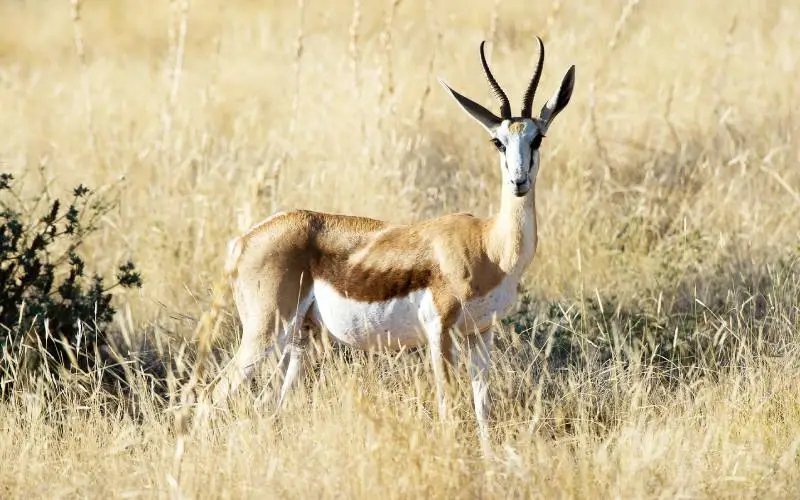
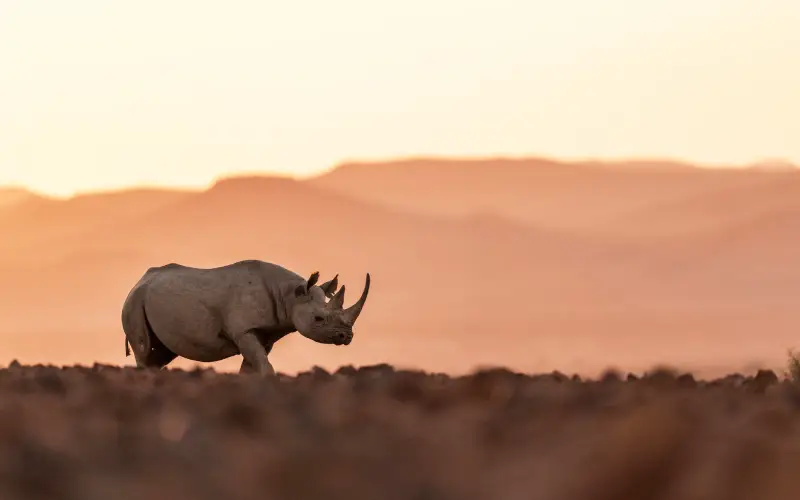
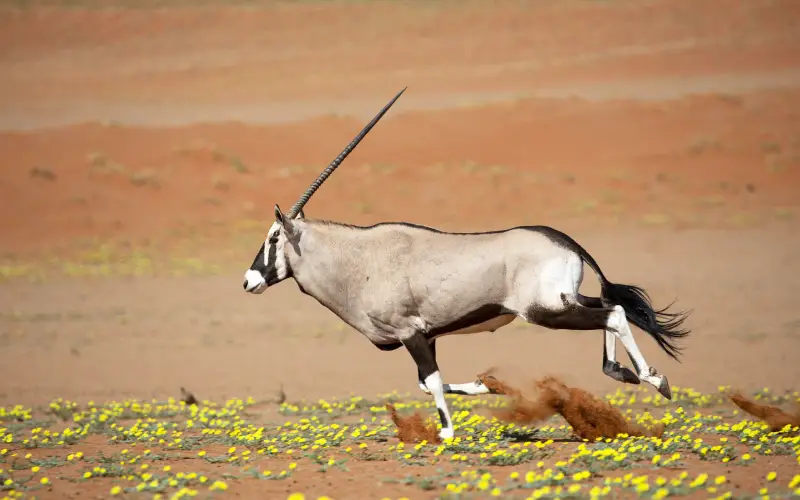
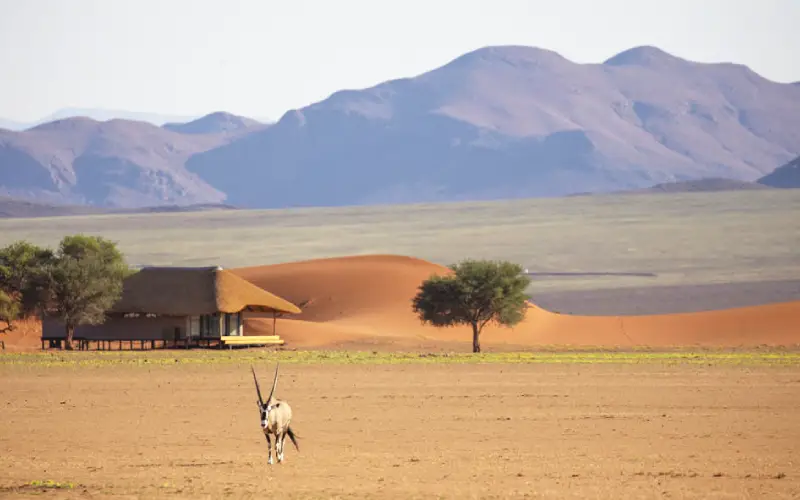
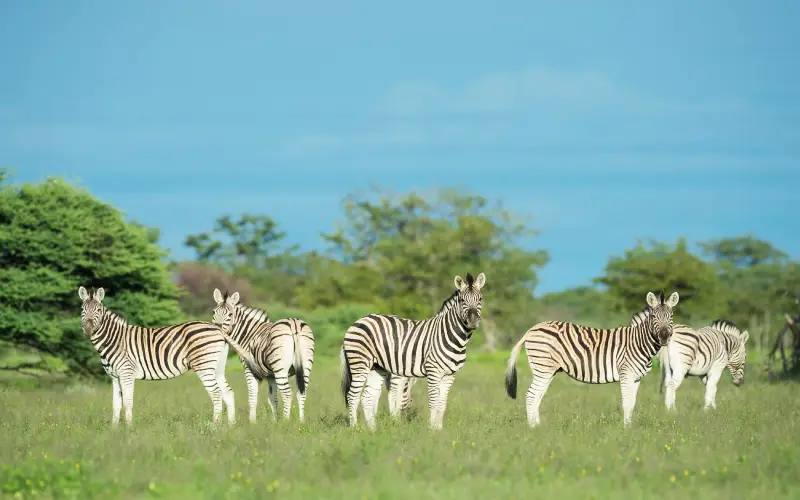
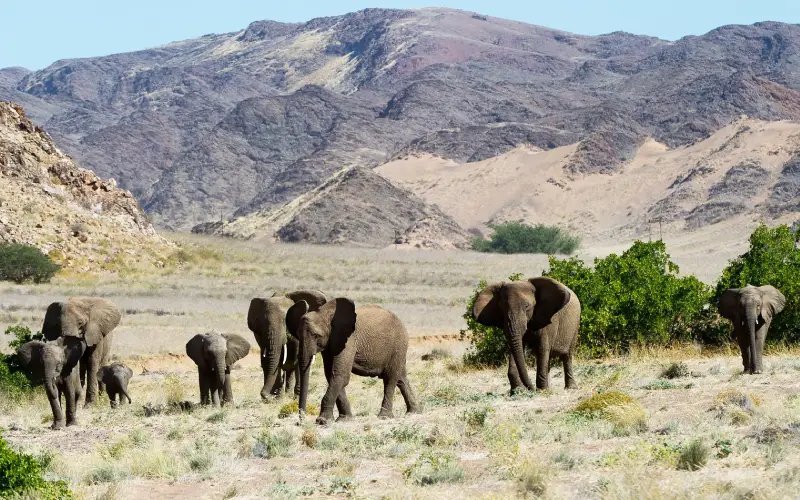
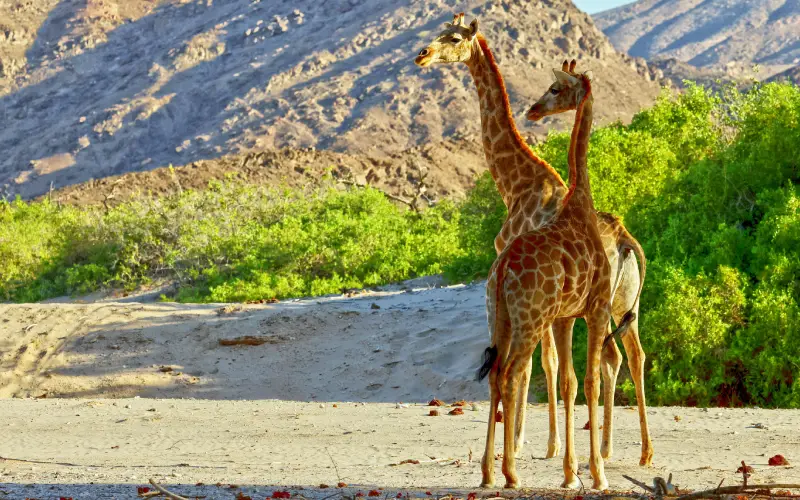
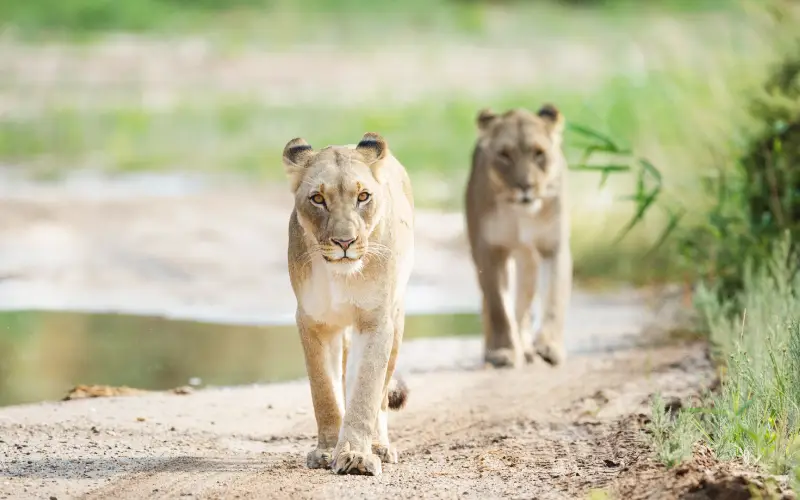
Namibia’s wildlife is uniquely adapted to the arid environment. While numbers are smaller, sightings are profound. Etosha National Park delivers incredible, concentrated game viewing at its waterholes, while the country’s open plains are a world-class destination for observing cheetah. For the ultimate thrill, track the elusive desert-adapted black rhino and brown hyena in their remote coastal habitats.
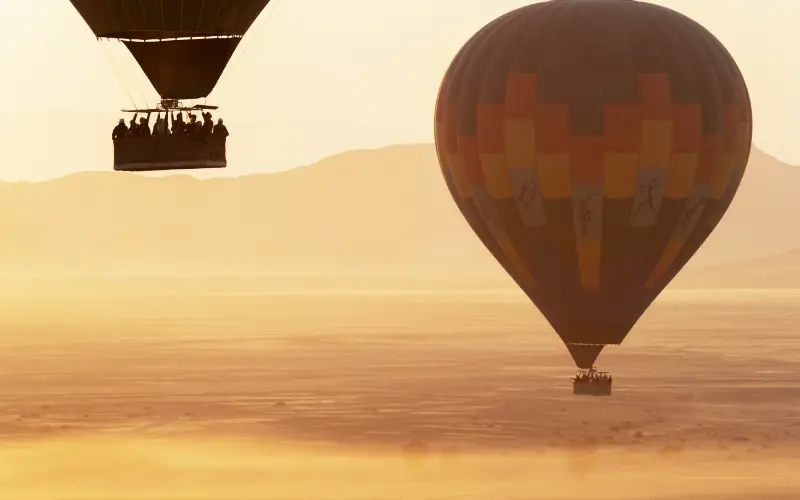
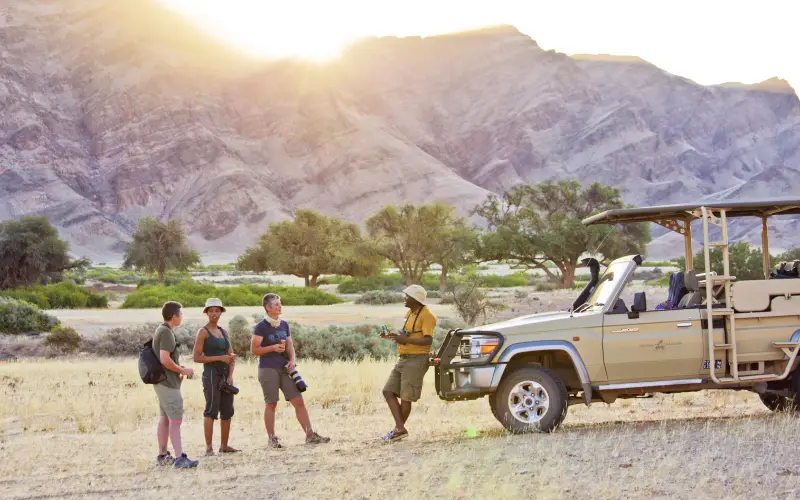
Namibia is a landscape of staggering scale, where guided and self-guided game drives are redefined by the desert’s vastness. The adventure extends from the thrill of quad biking and hot-air ballooning over ancient dunes to the raw intimacy of walking safaris, horseback riding, and night drives through exclusive reserves.
The journey spans from hiking the Fish River Canyon to the wild Atlantic for surfing and fishing. Whether discovering millennia-old rock art, tracking with the San people, or enjoying the refined architecture of Windhoek, Namibia offers a masterclass in solitude. It is a seamless blend of high-energy exploration—from mountain biking to the coast—and sophisticated, laid-back luxury.
Namibia’s climate offers two distinct safari experiences. The Dry season (May-October) brings mild, sunny days with minimal rain, ideal for wildlife viewing as animals gather at waterholes. The Wet season (November-April) transforms the landscape with brief, lush rains and higher humidity, but brings intense heat, especially in the desert.
For the quintessential safari, journey to Namibia during the dry winter (May-October). This is when Etosha National Park unveils its greatest spectacle: vast animal congregations at sun-baked waterholes under endless blue skies. With minimal rain, low malaria risk, and comfortable days, conditions are perfect for exploration. Nights offer a crisp chill, while the season culminates in the building heat of September and October—a small price for unparalleled wildlife viewing. Alternatively, the summer rains (November-April) perform a miracle, transforming the land into a fleeting, green paradise, though this comes with the furnace-like heat of the desert and the raw power of occasional floods.
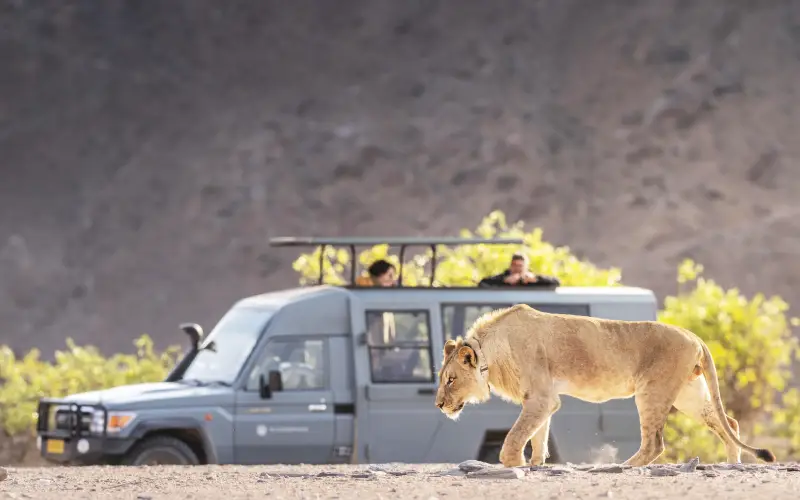
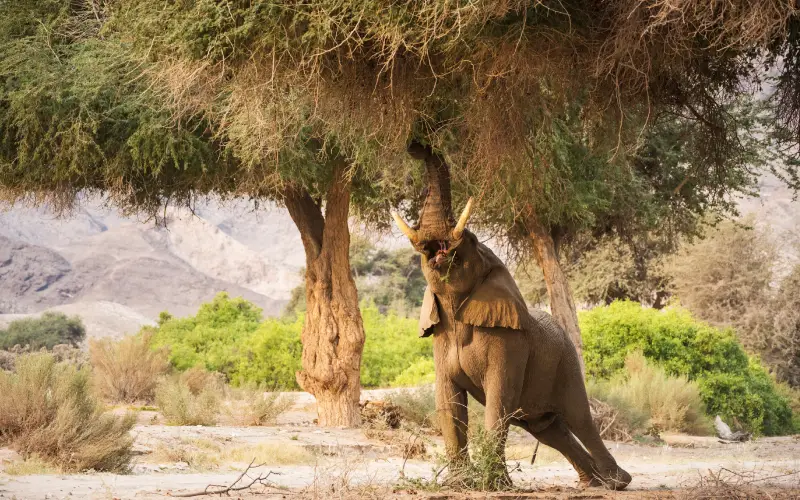
Experience a more exclusive safari in Namibia’s vast landscapes. While wildlife numbers are lower, sightings are profoundly dramatic—from major predators like lion to the immense, seasonal elephant herds gathering at the Etosha Pan.

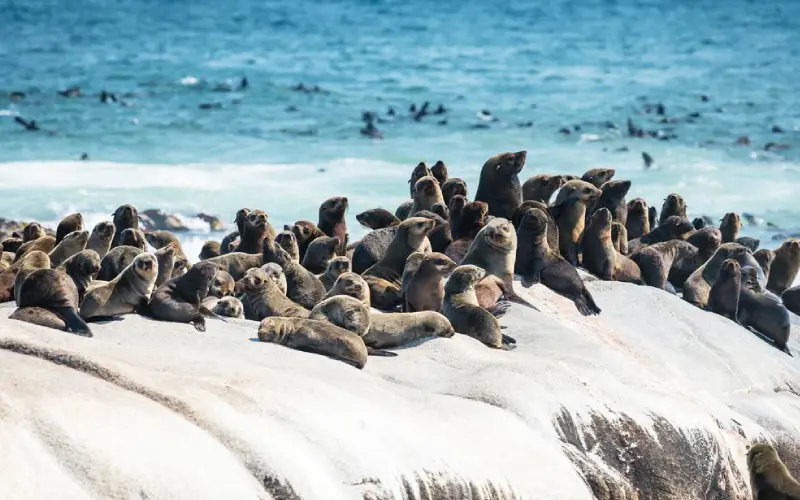
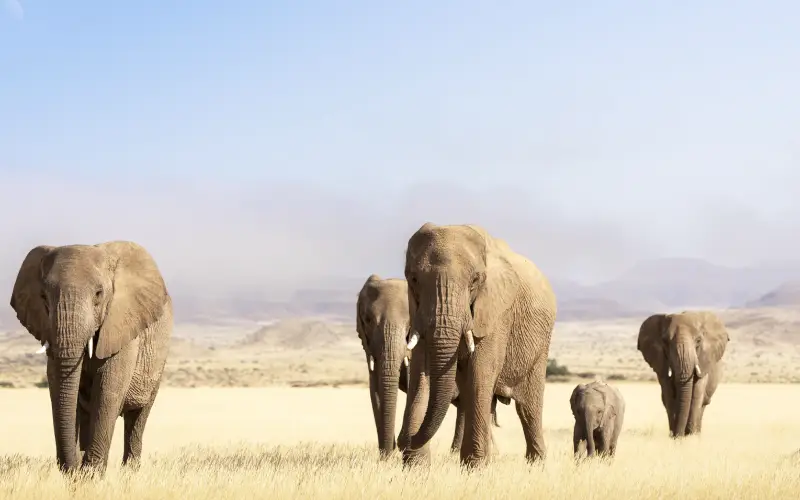
The Damaraland and Kunene regions are a stronghold for iconic, desert-adapted wildlife, including healthy populations of elephants and lions, as well as a smaller number of black rhino tracked in Palmwag. This extraordinary adaptability continues on the coast, with brown hyenas haunting seal colonies and marine life such as the rare Heaviside’s dolphin and migrating southern right whales.
For premier wildlife viewing, visit during the Dry season (May-October). As the landscape parches, animals congregate dramatically at waterholes, offering unparalleled sightings, especially from July onward. The summer months (November-April) bring a different kind of magic: brief, lush rains that transform the scenery into a green paradise, creating a beautiful backdrop for a more secluded safari experience.
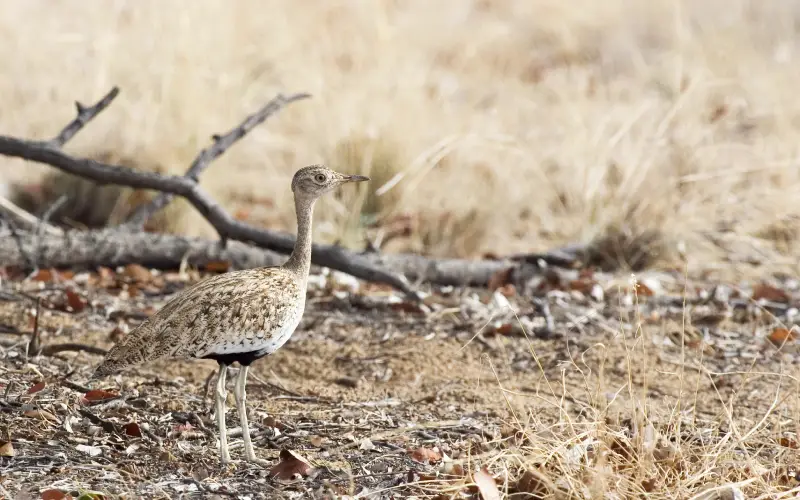
A premier destination for arid-adapted birds, Namibia is the best place to spot a host of near-endemics and dry-country specials, including its sole endemic, the dune lark. The bird population swells from November to April with the arrival of Palearctic migrants, offering a spectacular and unique birding calendar.

For phenomenal birding, visit during the Wet season (November-April). This period brings migratory birds, displaying residents in brilliant plumage, and seasonal waterholes teeming with flamingos. While wildlife viewing is best in the Dry season, the summer rains create a breathtaking birding spectacle with minimal disruption to travel.
550+
Oct to Apr

While Namibia’s climate supports year-round travel, the best time to visit is during the Dry season (May to October). This is because the drier conditions create the best chances to see wildlife, especially at waterholes in all parks, most notably Etosha National Park. In the Wet season (November to April), animals move away from the water sources and disperse. Be aware that the weather from December to March can be humid, often resulting in localized rain and thunderstorms in the afternoons.

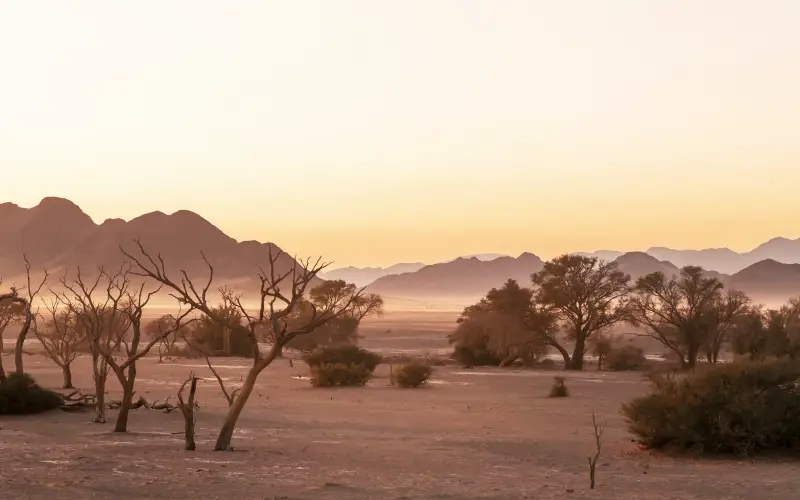
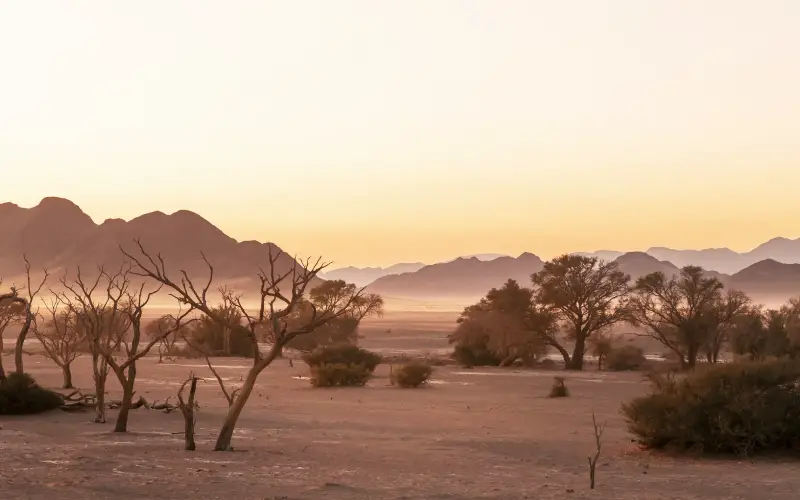
Namibia enjoys a sunny, subtropical desert climate defined by vast, starry skies and incredibly low humidity. Here, you’ll experience distinct seasons that are the reverse of the Northern Hemisphere, with our inviting, dry winters (your summer) and our transformative, green summers (your winter). The days are often warm and bright, while the nights bring a refreshing coolness, perfect for recounting the day’s adventures around a crackling fire.
Namibia’s parks share a climate generally similar to that of the capital, Windhoek, with the key difference being temperature variation across the regions. Windhoek sits on the central plateau at a high elevation of 1,700m (5,577ft), whereas most national parks are located at 1,000m (3,280ft), or lower. Temperatures rise significantly—approximately $6°C per 1,000m descent (or 3.5°F per 1,000. Consequently, the parks are warmer, especially those in desert areas, though the coastal regions remain notably cool. Rainfall is highest in the northern parts of the country, including the Zambezi Region and Etosha National Park, while the southern climate is hotter and considerably drier.
During these sun-drenched months, you can expect virtually no rain and beautifully low humidity. This is when wildlife gathers reliably at waterholes, offering some of the continent’s most spectacular viewing.
May: A gentle start. The summer rains have left the landscape lush and green, with comfortable days and mild evenings.
June: Crisp, clear days define this month. Pack a warm layer for early mornings, as nights become refreshingly cool.
July & August: Experience winter sun with pleasant daytime temperatures. Mornings and nights are cold, especially in the desert—a warm jacket for your game drive is essential.
September & October: The perfect balance. September is idyllic with clear skies and comfortable warmth. By October, the heat begins to build, signaling the coming transformation.
This is when Namibia transforms. While some regions remain dry, the country’s wetter months bring a different kind of magic: lush landscapes, dramatic skies, and a sense of vibrant renewal.
November: The heat builds under vast, sunny skies, with afternoons often decorated by building clouds. The low humidity keeps the intense warmth feeling manageable.
December: The first, life-giving rains arrive. With them comes a noticeable drop in temperature and an almost overnight transformation as the landscape bursts into a brilliant green.
January & February: The heart of summer. These are the hottest and most humid months, characterized by dramatic afternoon thunderstorms that clear to reveal fresh, vibrant mornings.
March & April: A gentle transition. The rains decrease, temperatures become more moderate, and the newly lush scenery is at its most beautiful under clearing skies.
Namibia is a destination that truly rewards the spirit of adventure, making it a premier choice for a self-drive journey. There is no better way to connect with its soul than by navigating its vast, open landscapes, where the horizon never ends.
For your convenience, the classic circuits below can be experienced as a self-drive adventure or as a privately guided tour. For those who prefer to maximize their time and elevate the experience, many of our premier lodges feature private airstrips, allowing you to seamlessly fly between destinations in ultimate comfort and style.
Your journey begins with a stop in Johannesburg before landing in Windhoek. From the capital, your private transfer will guide you through the scenic central highlands towards the world-renowned Etosha National Park.
Essential Destinations:
Etosha National Park (2-4 days): The dry season brings the park to life, with incredible wildlife gatherings at its famous waterholes.
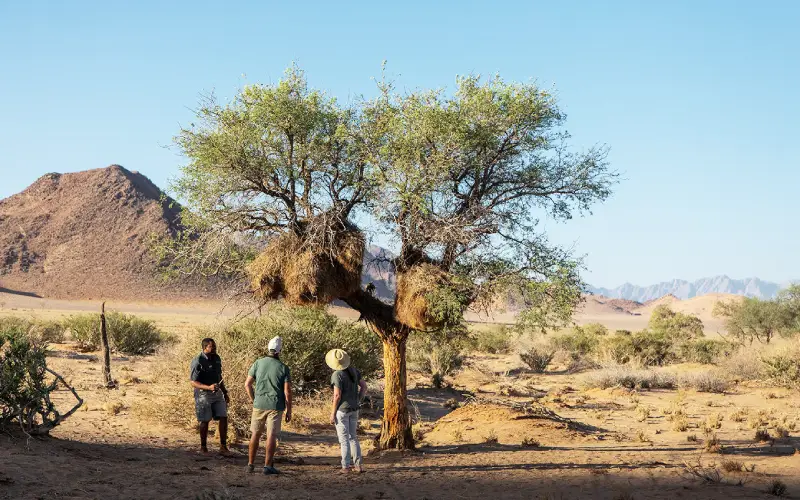
Damaraland (3-5 days): Track the majestic, desert-adapted elephants, black rhino, and lion in this breathtaking, rugged landscape.
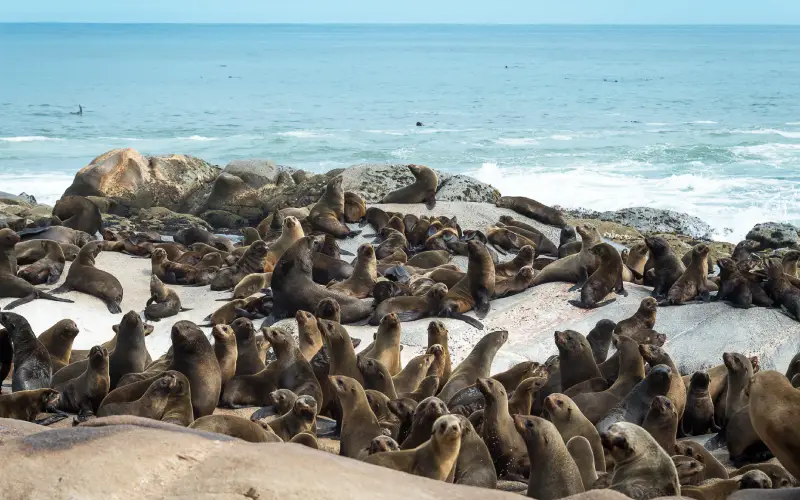
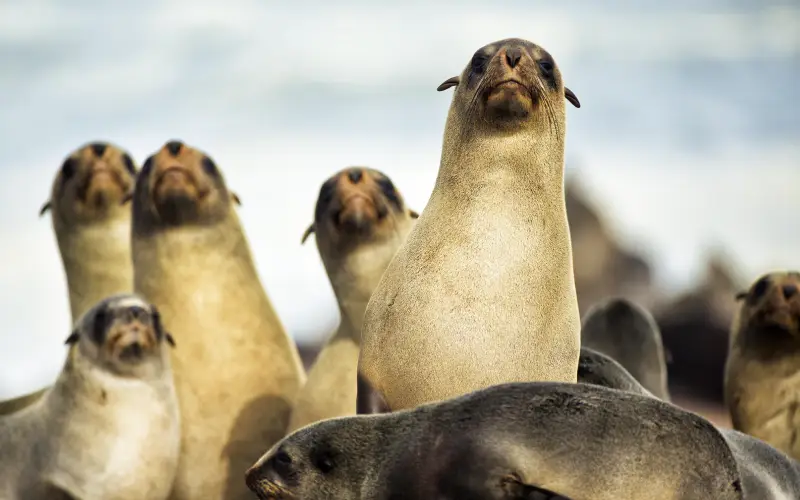
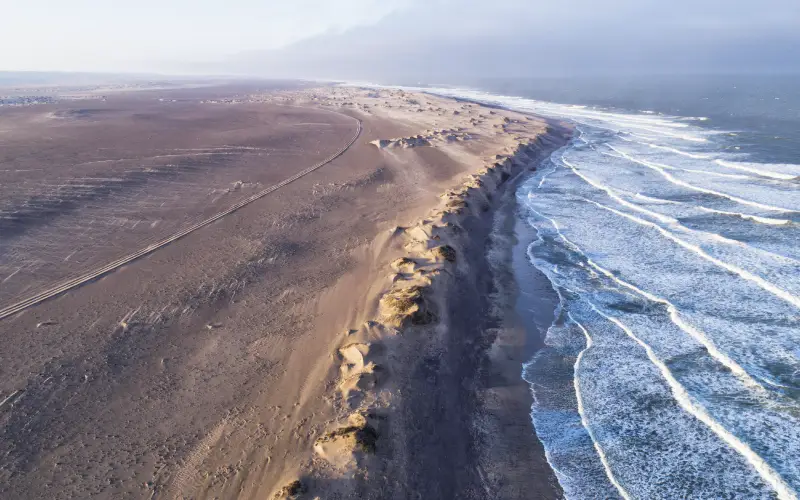
The Skeleton Coast (1 day): Witness the awe-inspiring spectacle of the Cape Cross seal colony, home to hundreds of thousands of Cape fur seals.
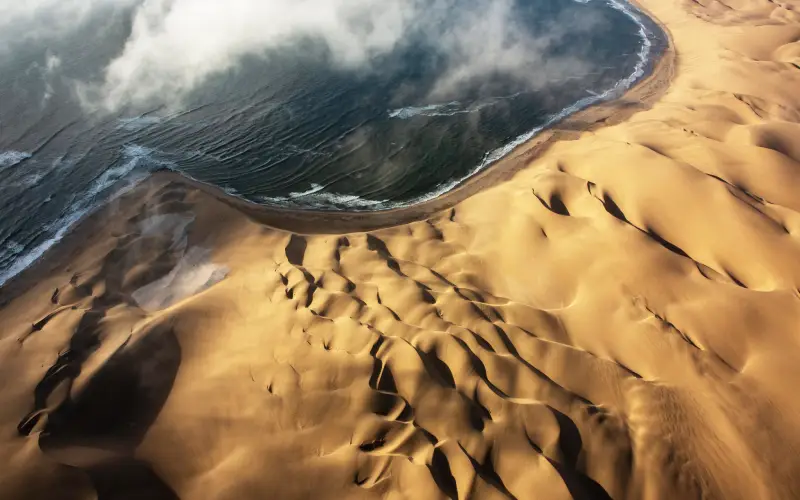
Swakopmund (1-3 days): A charming coastal gem, perfect for exploring the stunning dunes of Pelican Point and Sandwich Harbour.
Luxury Add-Ons:
Kaokoland: For the ultimate remote adventure amidst some of Africa’s most dramatic scenery.
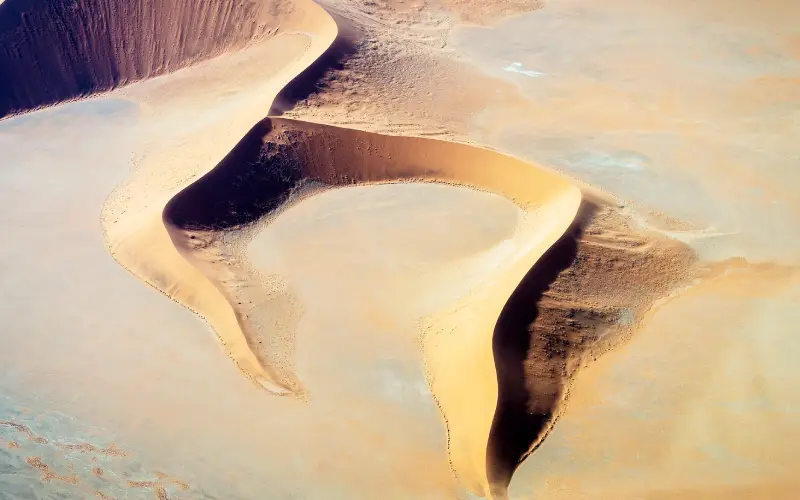
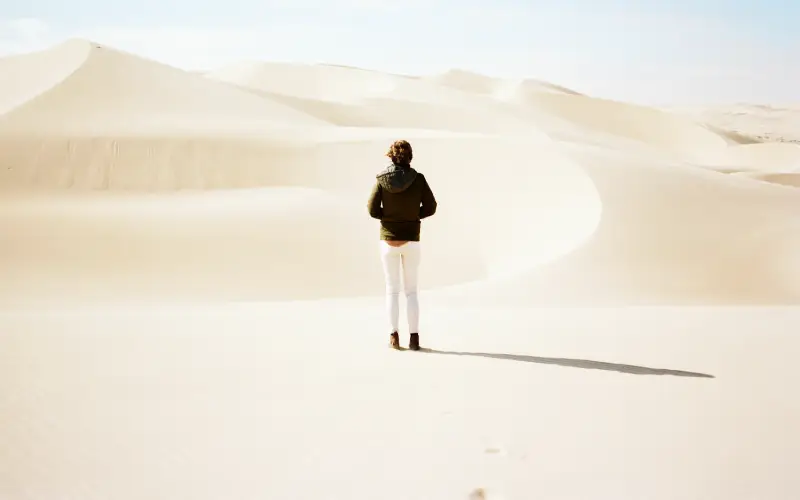
Sossusvlei: Experience the iconic, towering red dunes of the Namib Desert—a photographer’s paradise.
Your adventure begins after a stop in Johannesburg, landing in Windhoek. From there, your private vehicle and guide will whisk you south into the vast, red sands of the Kalahari Desert.
Curated Southern Destinations:
Fish River Canyon (2-3 days): Stand in awe on the rim of one of the world’s largest canyons. For the adventurous, it offers one of Africa’s most epic multi-day hikes.
Aus (1-2 days): Discover a tiny desert settlement where the legendary wild horses of Namibia roam free against a stark, beautiful backdrop.
Lüderitz (2-4 days): Explore this charming coastal gem, with its colonial-era architecture. A highlight is a visit to the hauntingly beautiful ghost town of Kolmanskop, slowly being reclaimed by the desert sands.
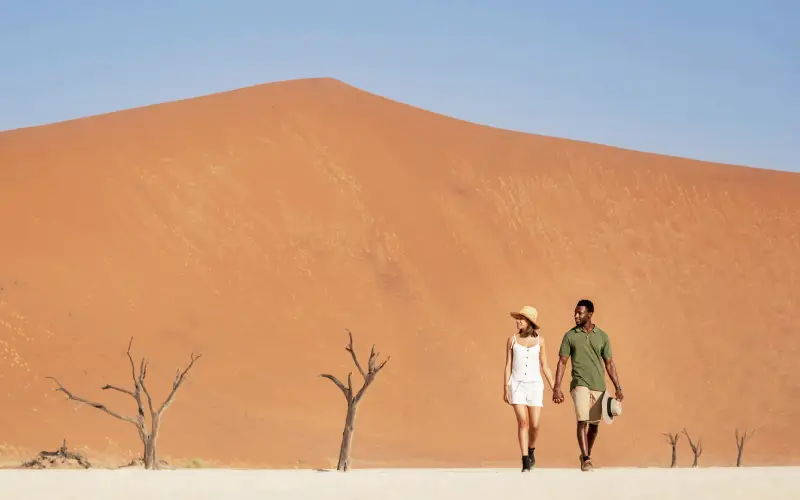
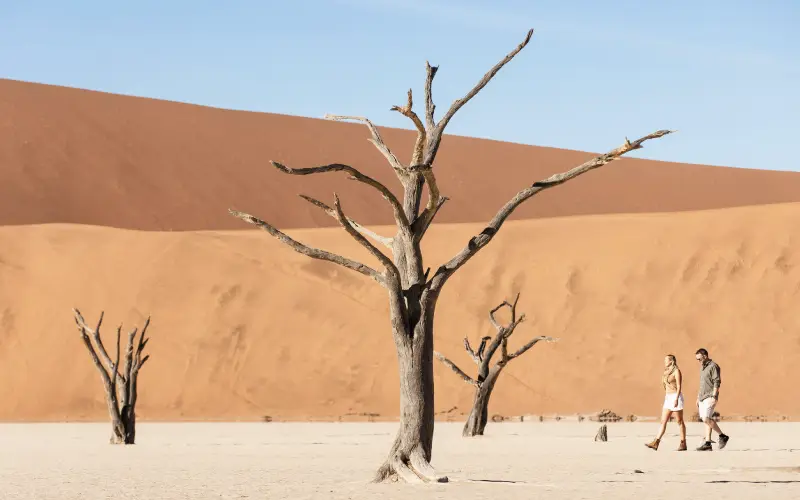
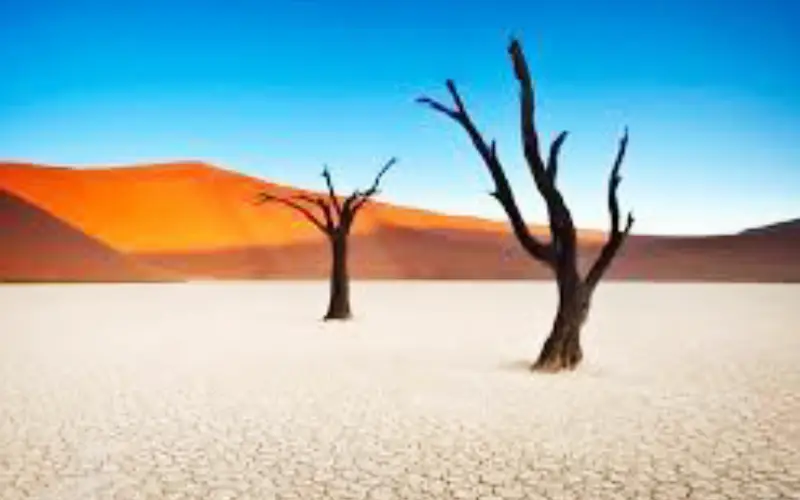
Namib-Naukluft Park (2-4 days): Witness the iconic, towering red dunes of Sossusvlei and the surreal white clay pan of Deadvlei—a photographer’s dream.
Naukluft Mountains (2-4 days): A pristine wilderness and a hiker’s paradise, offering dramatic trails through canyons and crystal-clear springs.
Luxury Add-Ons:
Swakopmund: Extend your trip to this vibrant coastal town for thrilling dune adventures and visits to spectacular coastal bird colonies.
Most travelers reach Namibia via a stopover in Johannesburg (JNB), often with an overnight stay. You’ll arrive at Hosea Kutako International Airport (WDH), just outside Windhoek. From the moment you arrive, every detail is in our hands. We specialize in crafting all-inclusive, premium adventures. Your private guide and luxury 4WD vehicle will be waiting, ensuring a seamless and effortless journey into the wilderness. For the ultimate perspective, we can also arrange private charter flights, offering breathtaking aerial views and direct access to our most exclusive remote lodges.
The most straightforward way to fly to Namibia is by routing your journey through O.R. Tambo International Airport (JNB) in Johannesburg, South Africa. From there, you can easily connect onto a direct flight to Windhoek’s Hosea Kutako International Airport (WDH) on airlines like South African Airways or Air Link.
FlyNamibia offers domestic flights from Windhoek to Ondangwa, Rundu and Katima Mulilo; its Safari Route Schedule connects Windhoek to Swakopmund, Sossusvlei, Twyfelfontein and Etosha National Park.
The details on this page are for general information only. A consultation with a travel doctor is essential. For complete and up-to-date travelers’ health information specific to Namibia, we have listed trusted government and travel clinic resources below.
Vaccinations are generally recommended for visitors to Namibia. We advise consulting with a travel medicine specialist well before you depart to receive personalized, up-to-date health recommendations.
Malaria is a medium-risk concern in northern Namibia, including popular destinations such as Etosha National Park and the Zambezi Region. The risk is low to negligible throughout the rest of the country. Please note that the highest risk period occurs during the rainy season, from November to April.
Namibia is a very safe and politically stable country, and we believe visitors have little cause for concern regarding personal safety. This is especially true when traveling on an organized trip with reputable lodges and camps. For those planning a self-drive adventure, we recommend reviewing the government travel advisories linked below.
To help you prepare, we have also provided some essential safety tips for traveling in Namibia.
Your safety is our highest priority, and your safari guide is dedicated to ensuring your well-being at all times. Please listen carefully to their instructions and adhere to all park regulations. If you are on a self-drive safari, maintain a safe and respectful distance from wildlife at all times and only exit your vehicle in designated safe areas.
Namibia’s cities are generally safe for visitors, with most crime being limited to minor offenses like petty theft. While travelers on an organized tour are largely protected by their guides, those exploring independently should follow basic precautions: consult your hotel for local advice before walking in the city, avoid carrying valuables and take only limited cash, refrain from walking after dark (using registered taxis instead), and never leave belongings visible in a parked vehicle. For broader safety tips applicable to African cities in general, please refer to the additional guidelines below.
Please read the pages below regarding malaria and vaccination information for Namibia and general travel safety precautions.
Please use the links below for Governments’ travel advice on Namibia.
What currency is used in Namibia?
The Namibian Dollar (NAD) is the official currency and is fixed at a 1:1 rate with the South African Rand (ZAR). Both currencies are widely accepted throughout the country.
What time zone is Namibia in?
Namibia operates on Central Africa Time (CAT), which is two hours ahead of Greenwich Mean Time (GMT+2).
What is the capital of Namibia?
Windhoek serves as the capital and main international gateway, typically being the starting point for Wilderness flights to your safari destination.
Can I use my credit cards in Namibia?
MasterCard and Visa (with raised numbers for imprinting) are generally accepted. Please note that American Express and Diners Club are no longer accepted in Namibia. Holders of other cards should verify acceptance with their bank before traveling.
What should I pack for a Namibian safari?
We recommend comfortable, casual clothing in neutral colors for optimal game viewing. Include swimwear and adventure-appropriate attire. As game drives occur during cooler early mornings and late aftercomes, layering is essential—especially in winter. Please check with your Travel Designer regarding any luggage weight or size restrictions for your journey.
What power sockets are used in Namibia?
Most camps & lodges use 220V outlets with 3-prong round or 2-prong round plugs. As many camps operate in remote areas, power is typically generated through solar panels and/or generators, stored in batteries, and distributed via inverter systems for lighting, fans, and charging electronic devices.
What is Namibia known for?
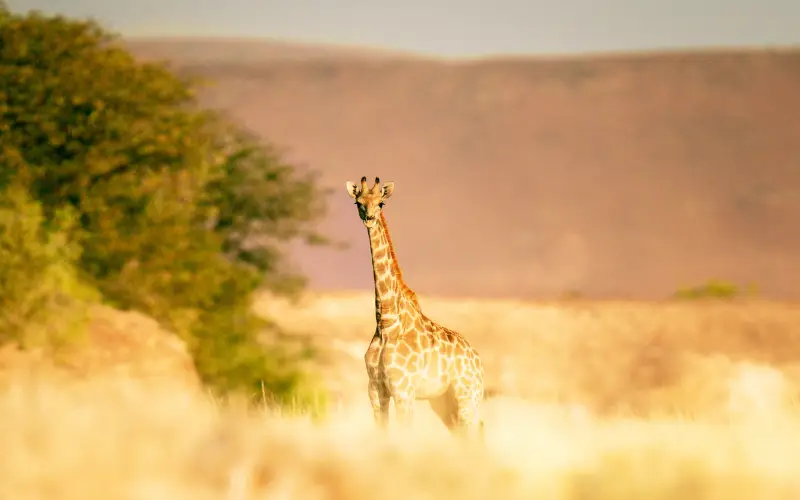
Namibia is renowned for Sossusvlei’s towering dunes in the ancient Namib Desert, the vast Etosha National Park, and exceptional wildlife viewing—including desert-adapted elephants, lions, and giraffes. The country also offers rich cultural experiences, such as authentic engagements with the semi-nomadic Himba people.
Where is Namibia located?
Namibia is situated in southwestern Africa, bordered by South Africa to the south and east, Botswana to the east, Angola and Zambia to the north, and the Atlantic Ocean to the west.
Namibia currently offers visa-free travel to all countries for stays up to 90 days. Your passport must be valid for at least six months beyond the date you expect to leave Namibia.
Namibia is a year-round destination, though the dry season from June to October is particularly recommended for its mild temperatures and optimal wildlife viewing conditions.
A visa is not required for travel to Namibia for citizens of most countries for stays of up to 90 days. Please ensure your passport is valid for at least six months beyond your intended departure date from Namibia.
Is Namibia malaria-free?
No, malaria is a risk in certain regions of Namibia. Please consult with your Travel Designer or a travel clinic well before your departure to ensure you have adequate time for any necessary malaria prophylaxis.
Do I need a yellow fever vaccination to visit Namibia?
A yellow fever vaccination certificate is required if you are traveling from a country with a risk of yellow fever transmission. We also recommend ensuring your TPD (tetanus, polio, diphtheria) and hepatitis A vaccinations are up to date. Please consult your travel clinic and Travel Designer for personalized medical advice before your trip.
Namibia’s wildlife is uniquely adapted to the arid environment. While numbers are smaller, sightings are profound. Etosha National Park delivers incredible, concentrated game viewing at its waterholes, while the country’s open plains are a world-class destination for observing cheetah. For the ultimate thrill, track the elusive desert-adapted black rhino and brown hyena in their remote coastal habitats.
Namibia’s climate offers two distinct safari experiences. The Dry season (May-October) brings mild, sunny days with minimal rain, ideal for wildlife viewing as animals gather at waterholes. The Wet season (November-April) transforms the landscape with brief, lush rains and higher humidity, but brings intense heat, especially in the desert.
For the quintessential safari, journey to Namibia during the dry winter (May-October). This is when Etosha National Park unveils its greatest spectacle: vast animal congregations at sun-baked waterholes under endless blue skies. With minimal rain, low malaria risk, and comfortable days, conditions are perfect for exploration. Nights offer a crisp chill, while the season culminates in the building heat of September and October—a small price for unparalleled wildlife viewing. Alternatively, the summer rains (November-April) perform a miracle, transforming the land into a fleeting, green paradise, though this comes with the furnace-like heat of the desert and the raw power of occasional floods.
Experience a more exclusive safari in Namibia’s vast landscapes. While wildlife numbers are lower, sightings are profoundly dramatic—from major predators like lion to the immense, seasonal elephant herds gathering at the Etosha Pan.
The Damaraland and Kunene regions are a stronghold for iconic, desert-adapted wildlife, including healthy populations of elephants and lions, as well as a smaller number of black rhino tracked in Palmwag. This extraordinary adaptability continues on the coast, with brown hyenas haunting seal colonies and marine life such as the rare Heaviside’s dolphin and migrating southern right whales.
For premier wildlife viewing, visit during the Dry season (May-October). As the landscape parches, animals congregate dramatically at waterholes, offering unparalleled sightings, especially from July onward. The summer months (November-April) bring a different kind of magic: brief, lush rains that transform the scenery into a green paradise, creating a beautiful backdrop for a more secluded safari experience.
A premier destination for arid-adapted birds, Namibia is the best place to spot a host of near-endemics and dry-country specials, including its sole endemic, the dune lark. The bird population swells from November to April with the arrival of Palearctic migrants, offering a spectacular and unique birding calendar.
550+
Oct to Apr
For phenomenal birding, visit during the Wet season (November-April). This period brings migratory birds, displaying residents in brilliant plumage, and seasonal waterholes teeming with flamingos. While wildlife viewing is best in the Dry season, the summer rains create a breathtaking birding spectacle with minimal disruption to travel.
550+
Oct to Apr
While Namibia’s climate supports year-round travel, the best time to visit is during the Dry season (May to October). This is because the drier conditions create the best chances to see wildlife, especially at waterholes in all parks, most notably Etosha National Park. In the Wet season (November to April), animals move away from the water sources and disperse. Be aware that the weather from December to March can be humid, often resulting in localized rain and thunderstorms in the afternoons.
Namibia enjoys a sunny, subtropical desert climate defined by vast, starry skies and incredibly low humidity. Here, you’ll experience distinct seasons that are the reverse of the Northern Hemisphere, with our inviting, dry winters (your summer) and our transformative, green summers (your winter). The days are often warm and bright, while the nights bring a refreshing coolness, perfect for recounting the day’s adventures around a crackling fire.
Namibia’s parks share a climate generally similar to that of the capital, Windhoek, with the key difference being temperature variation across the regions. Windhoek sits on the central plateau at a high elevation of 1,700m (5,577ft), whereas most national parks are located at 1,000m (3,280ft), or lower. Temperatures rise significantly—approximately $6°C per 1,000m descent (or 3.5°F per 1,000. Consequently, the parks are warmer, especially those in desert areas, though the coastal regions remain notably cool. Rainfall is highest in the northern parts of the country, including the Zambezi Region and Etosha National Park, while the southern climate is hotter and considerably drier.
During these sun-drenched months, you can expect virtually no rain and beautifully low humidity. This is when wildlife gathers reliably at waterholes, offering some of the continent’s most spectacular viewing.
May: A gentle start. The summer rains have left the landscape lush and green, with comfortable days and mild evenings.
June: Crisp, clear days define this month. Pack a warm layer for early mornings, as nights become refreshingly cool.
July & August: Experience winter sun with pleasant daytime temperatures. Mornings and nights are cold, especially in the desert—a warm jacket for your game drive is essential.
September & October: The perfect balance. September is idyllic with clear skies and comfortable warmth. By October, the heat begins to build, signaling the coming transformation.
This is when Namibia transforms. While some regions remain dry, the country’s wetter months bring a different kind of magic: lush landscapes, dramatic skies, and a sense of vibrant renewal.
November: The heat builds under vast, sunny skies, with afternoons often decorated by building clouds. The low humidity keeps the intense warmth feeling manageable.
December: The first, life-giving rains arrive. With them comes a noticeable drop in temperature and an almost overnight transformation as the landscape bursts into a brilliant green.
January & February: The heart of summer. These are the hottest and most humid months, characterized by dramatic afternoon thunderstorms that clear to reveal fresh, vibrant mornings.
March & April: A gentle transition. The rains decrease, temperatures become more moderate, and the newly lush scenery is at its most beautiful under clearing skies.
Namibia is a destination that truly rewards the spirit of adventure, making it a premier choice for a self-drive journey. There is no better way to connect with its soul than by navigating its vast, open landscapes, where the horizon never ends.
For your convenience, the classic circuits below can be experienced as a self-drive adventure or as a privately guided tour. For those who prefer to maximize their time and elevate the experience, many of our premier lodges feature private airstrips, allowing you to seamlessly fly between destinations in ultimate comfort and style.
Your journey begins with a stop in Johannesburg before landing in Windhoek. From the capital, your private transfer will guide you through the scenic central highlands towards the world-renowned Etosha National Park.
Essential Destinations:
Etosha National Park (2-4 days): The dry season brings the park to life, with incredible wildlife gatherings at its famous waterholes.
Damaraland (3-5 days): Track the majestic, desert-adapted elephants, black rhino, and lion in this breathtaking, rugged landscape.
The Skeleton Coast (1 day): Witness the awe-inspiring spectacle of the Cape Cross seal colony, home to hundreds of thousands of Cape fur seals.
Swakopmund (1-3 days): A charming coastal gem, perfect for exploring the stunning dunes of Pelican Point and Sandwich Harbour.
Luxury Add-Ons:
Kaokoland: For the ultimate remote adventure amidst some of Africa’s most dramatic scenery.
Sossusvlei: Experience the iconic, towering red dunes of the Namib Desert—a photographer’s paradise.
Your adventure begins after a stop in Johannesburg, landing in Windhoek. From there, your private vehicle and guide will whisk you south into the vast, red sands of the Kalahari Desert.
Curated Southern Destinations:
Fish River Canyon (2-3 days): Stand in awe on the rim of one of the world’s largest canyons. For the adventurous, it offers one of Africa’s most epic multi-day hikes.
Aus (1-2 days): Discover a tiny desert settlement where the legendary wild horses of Namibia roam free against a stark, beautiful backdrop.
Lüderitz (2-4 days): Explore this charming coastal gem, with its colonial-era architecture. A highlight is a visit to the hauntingly beautiful ghost town of Kolmanskop, slowly being reclaimed by the desert sands.
Namib-Naukluft Park (2-4 days): Witness the iconic, towering red dunes of Sossusvlei and the surreal white clay pan of Deadvlei—a photographer’s dream.
Naukluft Mountains (2-4 days): A pristine wilderness and a hiker’s paradise, offering dramatic trails through canyons and crystal-clear springs.
Luxury Add-Ons:
Swakopmund: Extend your trip to this vibrant coastal town for thrilling dune adventures and visits to spectacular coastal bird colonies.
Most travelers reach Namibia via a stopover in Johannesburg (JNB), often with an overnight stay. You’ll arrive at Hosea Kutako International Airport (WDH), just outside Windhoek. From the moment you arrive, every detail is in our hands. We specialize in crafting all-inclusive, premium adventures. Your private guide and luxury 4WD vehicle will be waiting, ensuring a seamless and effortless journey into the wilderness. For the ultimate perspective, we can also arrange private charter flights, offering breathtaking aerial views and direct access to our most exclusive remote lodges.
The most straightforward way to fly to Namibia is by routing your journey through O.R. Tambo International Airport (JNB) in Johannesburg, South Africa. From there, you can easily connect onto a direct flight to Windhoek’s Hosea Kutako International Airport (WDH) on airlines like South African Airways or Air Link.
FlyNamibia offers domestic flights from Windhoek to Ondangwa, Rundu and Katima Mulilo; its Safari Route Schedule connects Windhoek to Swakopmund, Sossusvlei, Twyfelfontein and Etosha National Park.
The details on this page are for general information only. A consultation with a travel doctor is essential. For complete and up-to-date travelers’ health information specific to Namibia, we have listed trusted government and travel clinic resources below.
Vaccinations are generally recommended for visitors to Namibia. We advise consulting with a travel medicine specialist well before you depart to receive personalized, up-to-date health recommendations.
Malaria is a medium-risk concern in northern Namibia, including popular destinations such as Etosha National Park and the Zambezi Region. The risk is low to negligible throughout the rest of the country. Please note that the highest risk period occurs during the rainy season, from November to April.
Namibia is a very safe and politically stable country, and we believe visitors have little cause for concern regarding personal safety. This is especially true when traveling on an organized trip with reputable lodges and camps. For those planning a self-drive adventure, we recommend reviewing the government travel advisories linked below.
To help you prepare, we have also provided some essential safety tips for traveling in Namibia.
Your safety is our highest priority, and your safari guide is dedicated to ensuring your well-being at all times. Please listen carefully to their instructions and adhere to all park regulations. If you are on a self-drive safari, maintain a safe and respectful distance from wildlife at all times and only exit your vehicle in designated safe areas.
Namibia’s cities are generally safe for visitors, with most crime being limited to minor offenses like petty theft. While travelers on an organized tour are largely protected by their guides, those exploring independently should follow basic precautions: consult your hotel for local advice before walking in the city, avoid carrying valuables and take only limited cash, refrain from walking after dark (using registered taxis instead), and never leave belongings visible in a parked vehicle. For broader safety tips applicable to African cities in general, please refer to the additional guidelines below.
Please read the pages below regarding malaria and vaccination information for Namibia and general travel safety precautions.
Please use the links below for Governments’ travel advice on Namibia.
Embarking on an African safari promises an adventure of a lifetime, showcasing the continent’s rich wildlife, breathtaking landscapes, and diverse cultures. While safaris are widely considered safe, especially those organized through reputable tour operators, it’s prudent to take certain precautions to ensure a smooth and secure experience. Here are some essential safety tips to consider:
Traveling through Africa offers an enriching experience filled with breathtaking landscapes, diverse cultures, and unparalleled wildlife encounters. While it’s generally safe, especially on organized tours or safaris, navigating urban environments requires a bit of savvy to ensure your trip remains worry-free. Here are some straightforward tips to keep in mind, whether you’re exploring bustling metropolises or serene landscapes:
Exploring the wild through a safari adventure is an exhilarating experience that brings you closer to nature’s most fascinating wildlife. Whether you opt for a guided tour with an experienced professional or decide to navigate the trails on a self-drive journey, safety is paramount to ensure an enjoyable and incident-free adventure. Here are some essential safety guidelines and tips to help you navigate your safari safely: